
As it turns out, voters do care about affordability
By Easton Martin
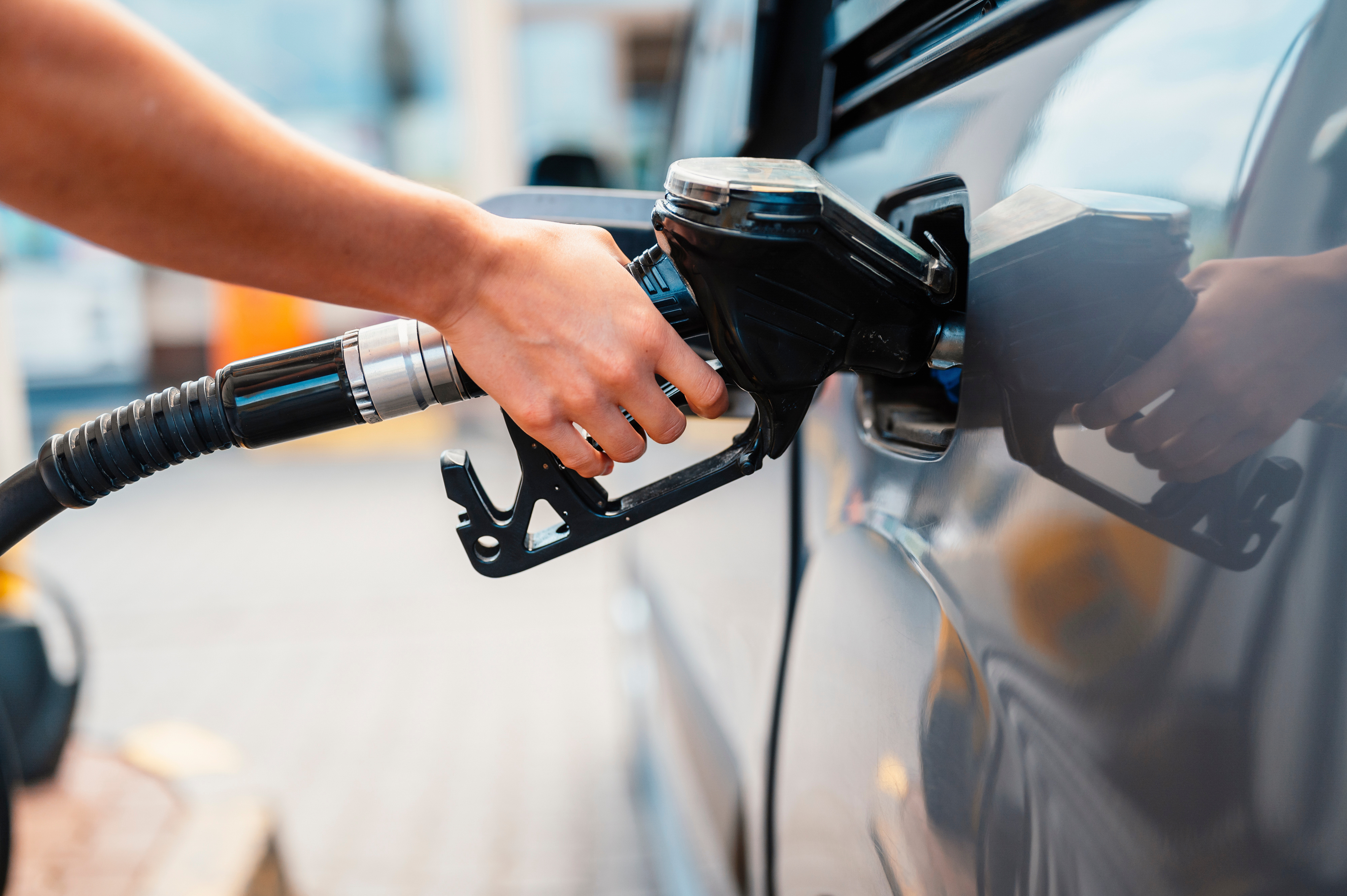
The 2026 midterm elections delivered a clear reminder to Republicans that voters care deeply about the cost of living. While political leaders spent considerable time debating foreign policy, immigration, cultural issues, and the direction of the country, millions of Americans continued making decisions based on what they experienced at the grocery store and the gas pump.
Affordability played a tremendous role in shaping the decisions of political moderates and swing voters. The price of groceries, gasoline, housing, and everyday necessities directly affects household budgets, and those pressures cannot simply be dismissed or overlooked. Regardless of how someone feels about President Trump or his administration, voters still expect their elected officials to address the economic realities facing their families.
There is considerably more to leading a country than the price of gasoline or a gallon of milk. National security, border enforcement, economic growth, constitutional principles, and America’s position in the world all deserve serious attention. Those broader responsibilities do not eliminate the importance of everyday economic concerns.
Republicans cannot expect voters to overlook affordability simply because they agree with the administration on other issues.
A voter might support stronger border security, oppose radical progressive policies, and appreciate Trump’s foreign policy while remaining dissatisfied with the cost of living. Those positions are not mutually exclusive, and the election results should make that reality impossible to ignore.
The lesson heading into 2028 is straightforward. Republicans must deliver results that Americans can actually see in their daily lives. There is more to governing than affordability, but affordability remains one of the most direct ways voters measure whether their government is working.