
What is the President’s intention with Greenland?
By Easton Martin | January 6, 2025
President Trump’s renewed comments about Greenland have been dismissed by media critics as “reckless” or “unserious”. That reaction misses the substance of what the president is actually signaling. Stripped of media caricature, the argument he is making is about cementing the United States’ position as a global power, immune to communist and other dangerous countries or world powers.
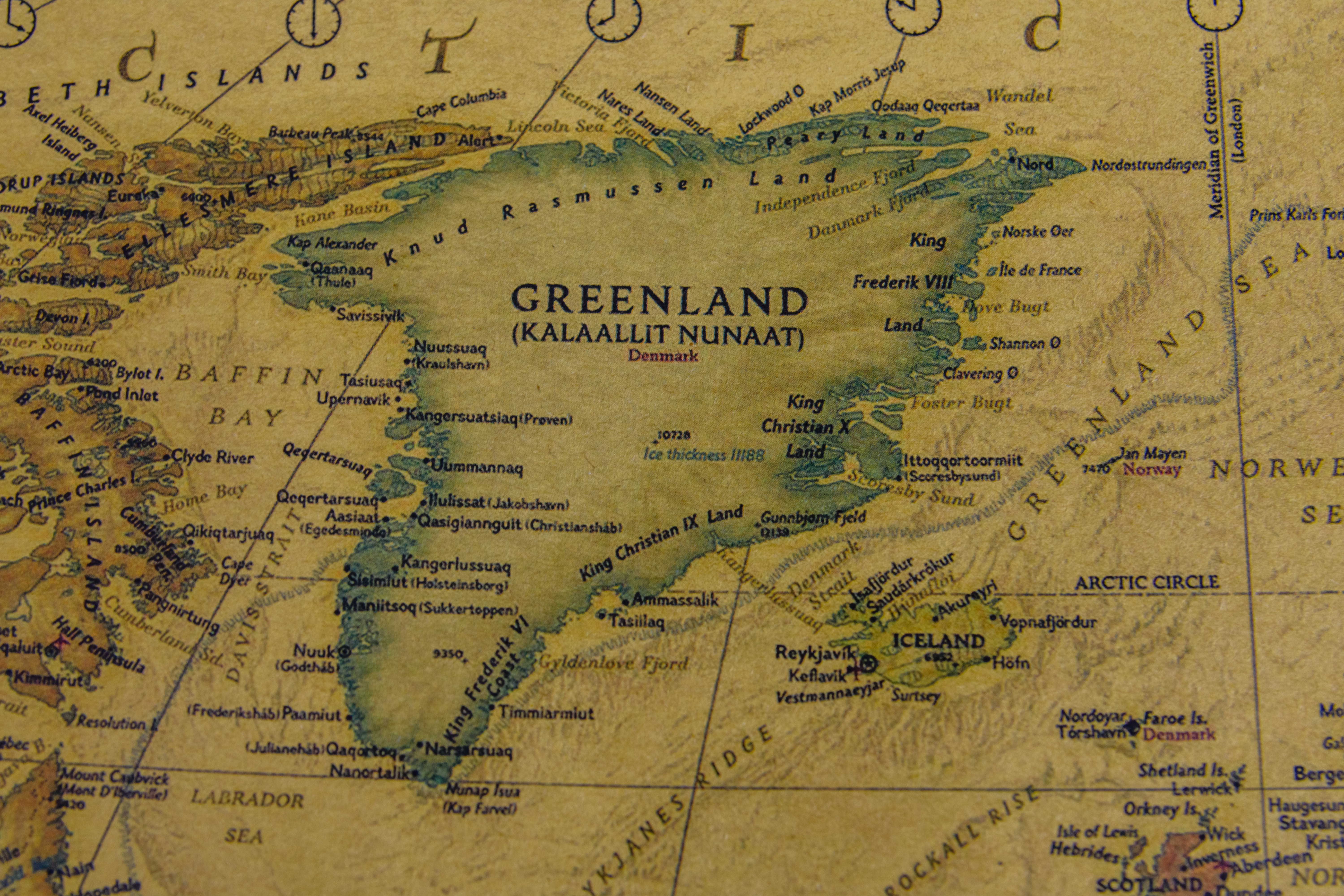
Russia has aggressively expanded its Arctic footprint, reopening Soviet era bases and deploying advanced weapons systems. China, though not an Arctic nation, has declared itself a “near Arctic power” and is actively seeking infrastructure and mining partnerships across the region.
Against this backdrop, Greenland occupies an outsized role in global security.The United States already understands Greenland’s value. For decades, it has maintained a major military installation there that is central to missile warning and space defense. President Trump’s comments suggest a belief that this arrangement may no longer be sufficient for the challenges ahead. His emphasis on Greenland is best understood as an extension of his broader foreign policy instinct: secure strategic assets early rather than react later under worse conditions.
Some critics are trying to argue that even discussing Greenland strains relations with Denmark. That concern is not trivial, but it assumes diplomacy must avoid uncomfortable truths. Trump has consistently preferred bluntness over quiet consensus building, particularly when he believes American interests are being underprotected. From his perspective, raising the issue now forces allies to confront the geopolitical stakes of the Arctic before rivals dictate the terms.It is also notable what the president has not said. There has been no formal policy announcement, no legal framework proposed, and no indication of coercive action. By elevating Greenland in public discourse, Trump strengthens the U.S. hand in negotiations over basing rights, investment access, and long term security cooperation.In that sense, the controversy itself may be the point.
Strategic pressure does not always take the form of treaties or troop movements. Sometimes it begins with a statement that reminds allies and adversaries alike that the United States is paying attention again.