

In defense of the beef imports: Why the administration’s move to temporarily impirt beef may not be such a bad idea
By Easton Martin | August 24, 2026
President Trump’s decision to temporarily increase beef imports has understandably frustrated some American ranchers because conservatives rightly believe that American agriculture should remain strong and competitive. The reality is more complicated because America genuinely has a beef supply problem, and pretending otherwise will not make the problem disappear.
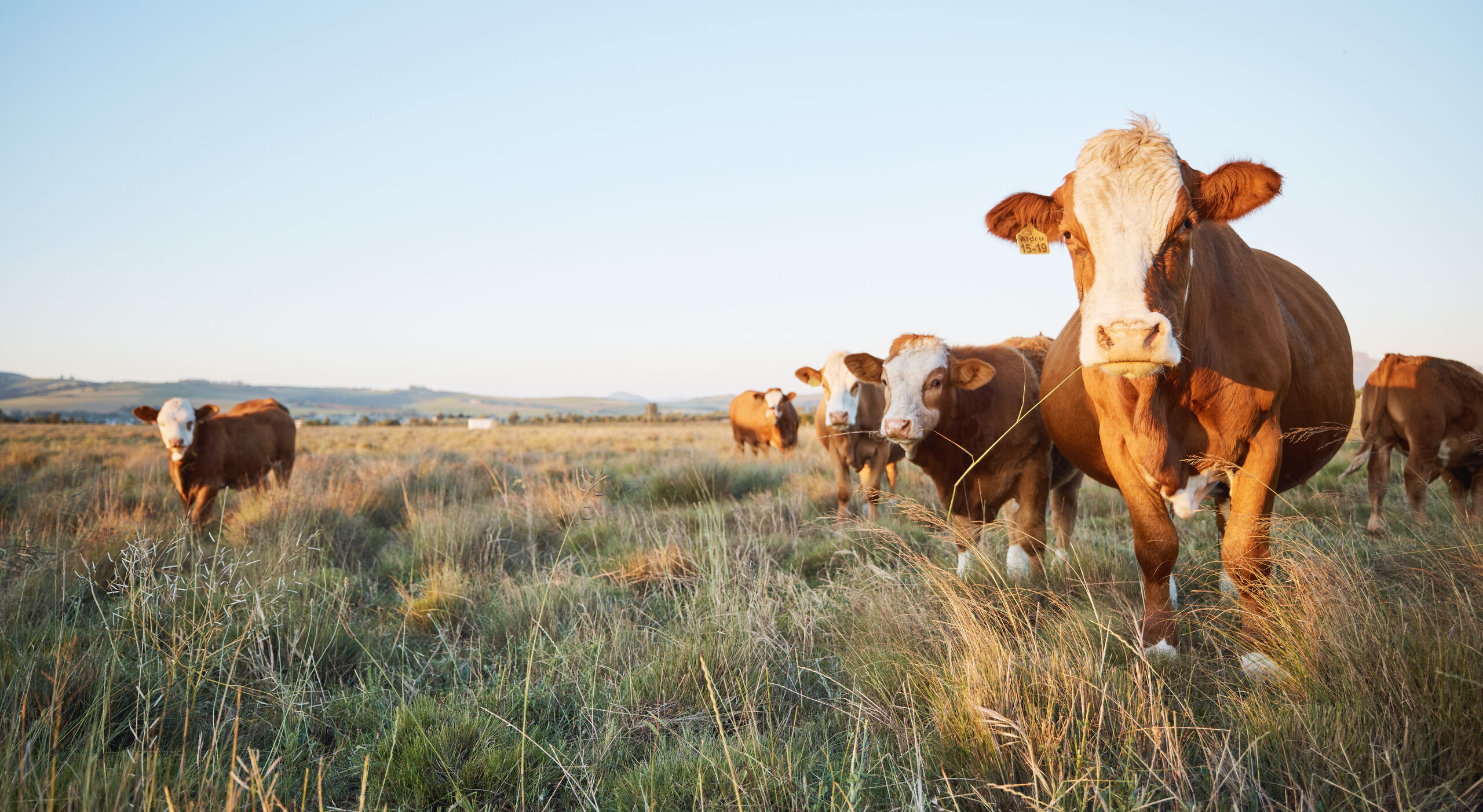
The United States cattle herd has been severely depleted in recent years due to drought and other pressures on ranchers. USDA data shows that the number of beef cows stood at 28.5 million head in July 2026 which was down 1% from the previous year. The calf crop was also down 2% from 2025.That shortage is a major reason Americans are paying more for beef because there are simply fewer cattle available to supply the level of demand that exists across the country.
When supply falls while consumer demand remains strong prices naturally rise and that is exactly what American consumers have experienced at grocery stores.The White House previously noted that ground beef reached an average of $6.69 per pound in December 2025 which was the highest level recorded since the government began tracking the price in the 1980s. The situation demonstrates that this is not merely a political talking point because American families are directly feeling the effects of a shrinking cattle supply.
This is where temporary imports can make sense because additional foreign beef can provide consumers with more supply while American ranchers work to rebuild their herds. President Trump’s administration has described the policy as a temporary measure designed to increase supply while the domestic cattle industry recovers.
The most important part of the policy is that it is supposed to be temporary rather than a permanent replacement for American beef production. America does not need to permanently replace American ranchers with foreign producers because the real objective should be giving domestic ranchers enough time to rebuild the cattle herd.
Cattle cannot simply be produced overnight whenever grocery prices rise because expanding a herd requires breeding cows and raising calves before those animals eventually become part of the beef supply. Even if ranchers immediately begin expanding their operations the effects of that expansion will take considerable time to reach consumers.
Temporary imports can therefore serve as a bridge between the current shortage and the eventual recovery of the American cattle herd.Instead of viewing every foreign beef shipment as an attack on American ranchers we should recognize that a temporary increase in supply can help stabilize prices while domestic producers work through a much longer production cycle.