

Just what exactly is Flock tracking?
By Easton Martin | July 30, 2026
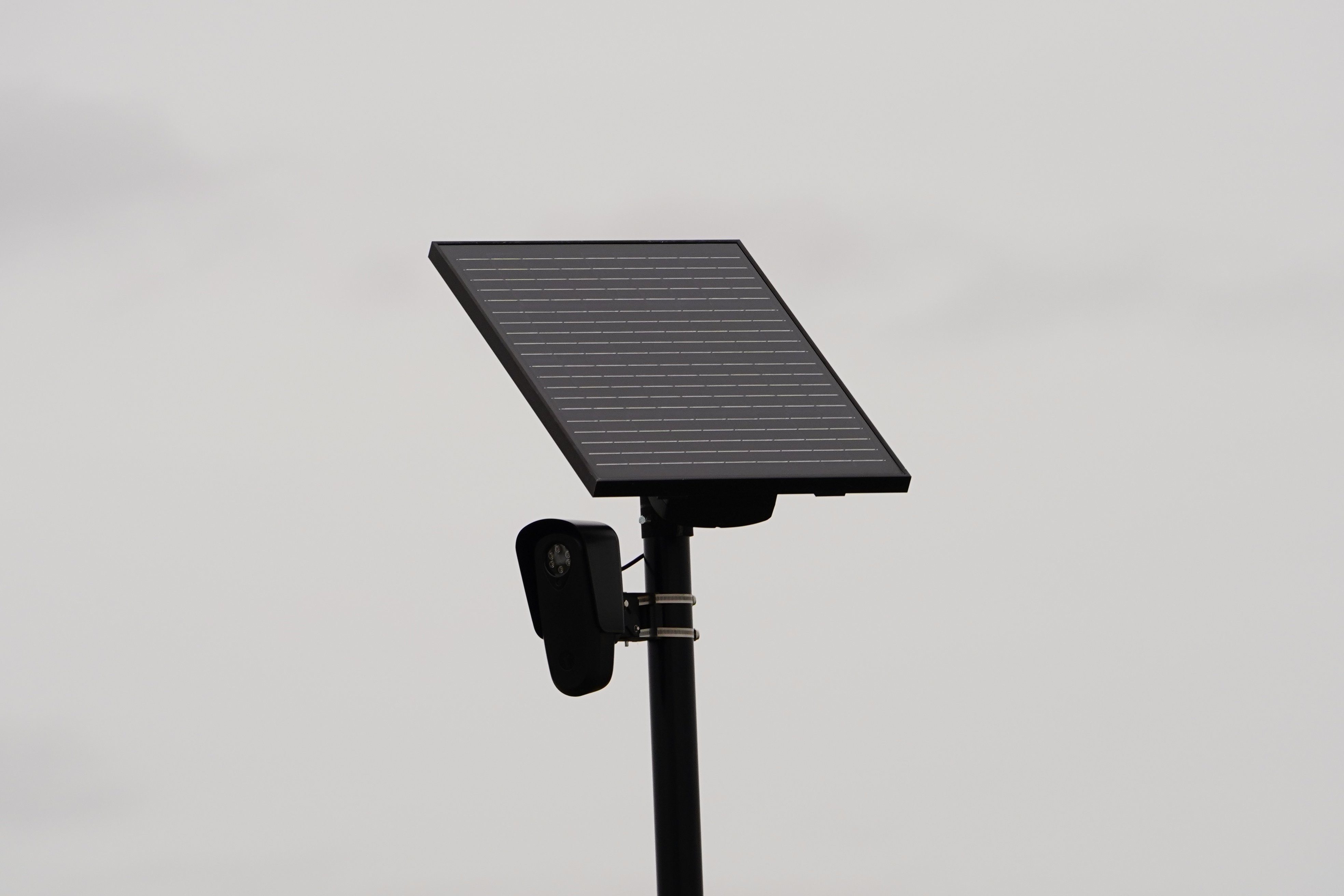
Across thousands of American neighborhoods, small solar-powered cameras mounted on utility poles silently log millions of vehicle movements every hour. Operated by Atlanta-based technology company Flock Safety, these automated license plate recognition systems have become one of the fastest-growing surveillance networks in the United States.
While commonly referred to simply as license plate readers, the scope of information these devices harvest actually extends far beyond plate numbers. Hundreds of Flock cameras have been vandalized over the past few months due to concerns regarding the scope of data they collect, and how they track vehicle/person movements.
Every time a vehicle passes within range of a Flock camera, the device captures a series of still photographs. Computer vision software instantly processes the visual data to extract several specific metrics. The software reads license plate characters while identifying the state of origin. It also notes specific attributes such as temporary paper tags, handicap emblems, or specialty plates. Beyond the plate itself, the system builds a physical profile of the car. It catalogs the make, model, body type, and primary color of the vehicle.
Advanced object recognition algorithms go a step further by logging unique visual features. These features include roof racks, bumper stickers, visible body damage, custom rims, or mismatched panels. Each image receives a precise timestamp along with exact GPS location coordinates.
These individual data points allow investigators to run searches without knowing a full license plate. An officer can search system databases using general descriptions. For example, a search query can look for a red pickup truck with a ladder rack traveling through a specific intersection within a narrow time frame.
Although Flock Safety maintains that its cameras focus on vehicles rather than individual pedestrians, the wide framing necessary to capture traffic means environmental context is recorded simultaneously. Images inevitably capture nearby bystanders, bicyclists, and vehicle occupants through rear windows. Newer camera models and expanded software suites offered by the vendor extend capabilities beyond static license plate logging. Certain video-capable devices track object motion through live feeds. Other integrations with audio sensors log acoustic data to pinpoint the location of potential gunshots.
Data collected by Flock devices is transmitted wirelessly to cloud servers. The system instantly cross-references the information against law enforcement databases like stolen vehicle registries and national crime watchlists. When a plate matches an active alert, the system notifies local law enforcement officers in real time. By default, unflagged footage remains in the searchable database for 30 days before automatic deletion. However, footage associated with active criminal investigations can be exported and stored indefinitely by subscribing agencies. Law enforcement users across participating jurisdictions can query shared national networks, enabling cross-agency tracking of vehicle movements across municipal lines.