

POTUS talks about his strategy for dealing with Democrats when they take control of Congress
President Donald Trump revealed his approach to dealing with legislation that will doubtless head to his desk after Democrats take control of the U.S. Congress next year. He also addressed the political price of the war in Iran.
by Summer Lane | November 13, 2026
Democrats are poised to take control of the U.S. Congress next year, following a disappointing midterm election cycle for Republicans in the House of Representatives and the Senate – and President Trump has a strategy for how he will govern when it happens.
The president told Stephen A. Smith during a sit-down on Straight Shooter, “I’m going to be vetoing a lot of things that they’re going to send me initially that are bad for the country, and I think, eventually, they’re going to call me, and they’re going to say, ‘Let’s make a deal.’ And we’ll be able to make deals on healthcare, on drug prices.”
With Republicans no longer the majority party in either chamber of Congress, President Trump will have a hard – if not impossible – time getting agenda-focused legislation codified.
However, the Republican-controlled Congress didn’t codify much of the president’s agenda to begin with during this critical two-year period where the GOP held majorities in both chambers.
This is something that President Donald Trump has also acknowledged, particularly regarding the U.S. Senate.
“Not passing THE SAVE AMERICA ACT (Voter I.D., Proof of Citizenship), sent up five times by the House, was devastating to the Republican Party in the Midterms,” he wrote in a statement on Thursday.
He continued, “Not terminating the Filibuster, and getting EVERYTHING even ‘dreamt’ of, approved, when the Dems will definitely do so, will go down as being one of the greatest mistakes in the Political History of America. So sad!!!”
Midterm elections, historically, are often unfavorable for the president’s party. However, the president seemed to note during his comments to Smith that the Iran conflict was a politically tough situation.
“I feel I had to do what I did in Iran,” he said. “I think, historically, that’s going to be a great decision…Short term, it’s tougher, politically; I knew that. I mean, I had this thing going so perfectly.”
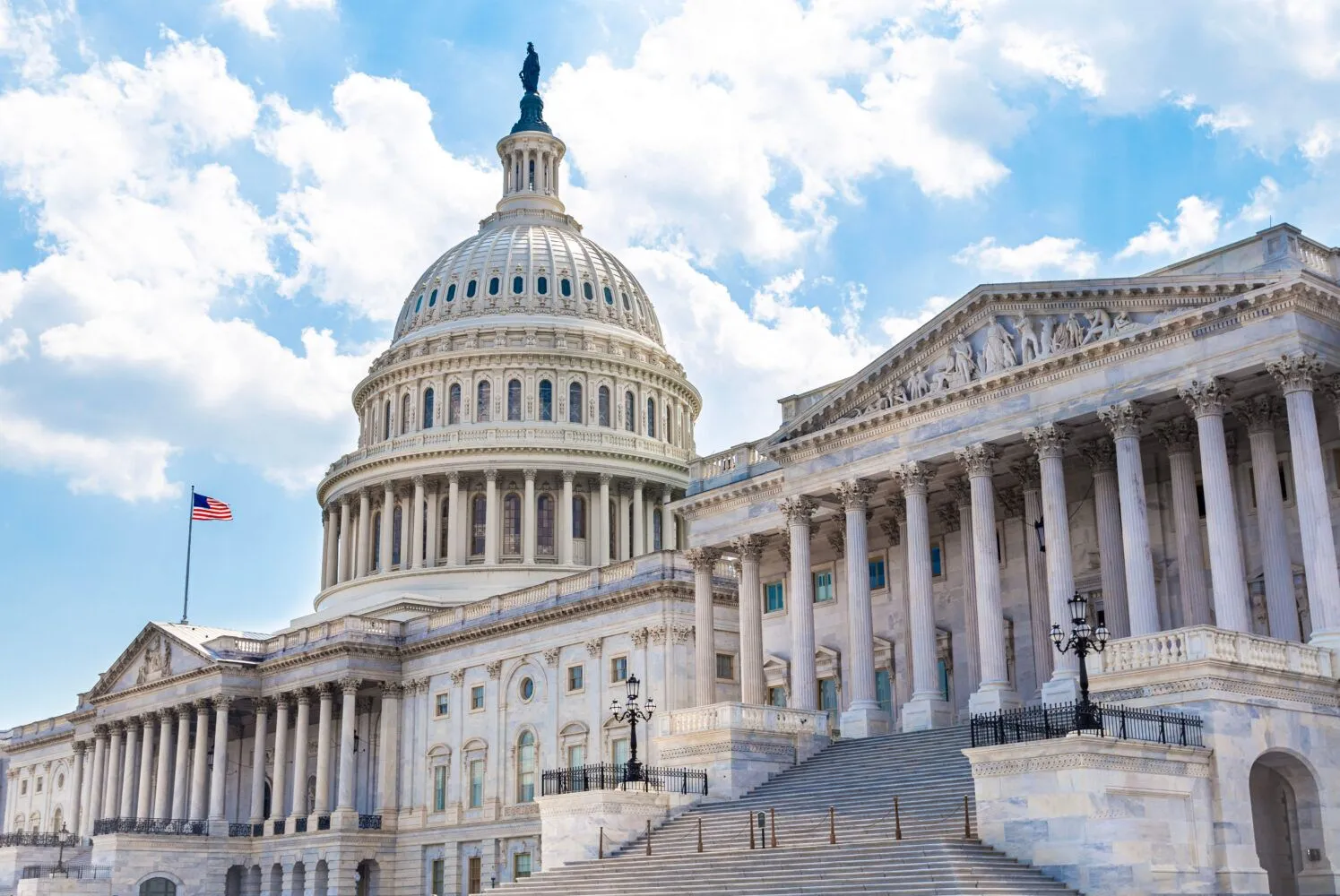
Photo: Adobe Stock


