

Return of the small car? The president’s latest comments suggest so
By Easton Martin | December 4, 2025
President Trump’s recent push to bring kei cars to the United States is raising an unexpected question: could this mark the beginning of a small car revival?
For decades, the American auto market has steadily moved toward larger and heavier vehicles. SUVs and trucks dominate sales, even among buyers who rarely use their full size or capability. Many choose them because of a widespread belief that bigger means safer. That belief is only partly true, and it has pushed smaller cars out of the mainstream.
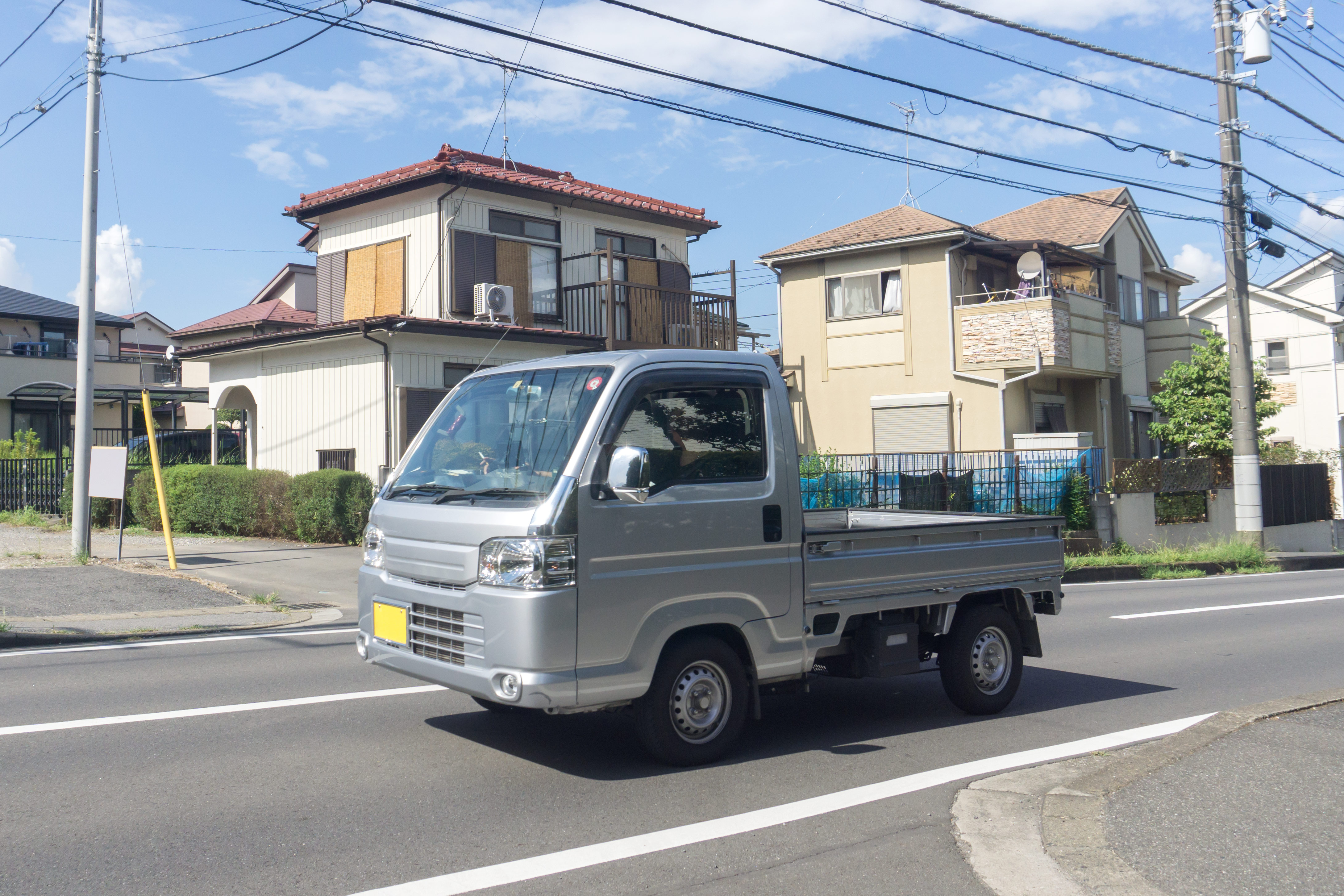
Trump’s proposal challenges that trend. Kei cars, long popular in Japan, are compact, lightweight, efficient, and inexpensive. They are designed for dense urban environments, short commutes, and everyday errands. For millions of American drivers, that is a far closer match to how they actually use their vehicles than a full size SUV.
If the administration succeeds in clearing regulatory hurdles and creating a path for domestically built small cars, the U.S. could see a meaningful shift. Younger buyers who cannot afford ever rising car prices would have new options. Urban drivers would gain vehicles suited to tight parking and low mileage trips. Families with multiple cars could add a cheap, efficient runabout instead of another oversized vehicle.
There will be challenges of course though.The original kei standards do not match U.S. highway speeds or crash requirements, so any American version would need to be adapted. Automakers may also resist building lower profit models.
Even so, the conversation itself hints at change. Many Americans are growing tired of oversized, fuel hungry vehicles that cost more in just about every way. If kei cars or kei inspired designs catch on, the small car market could find its way back into American life.