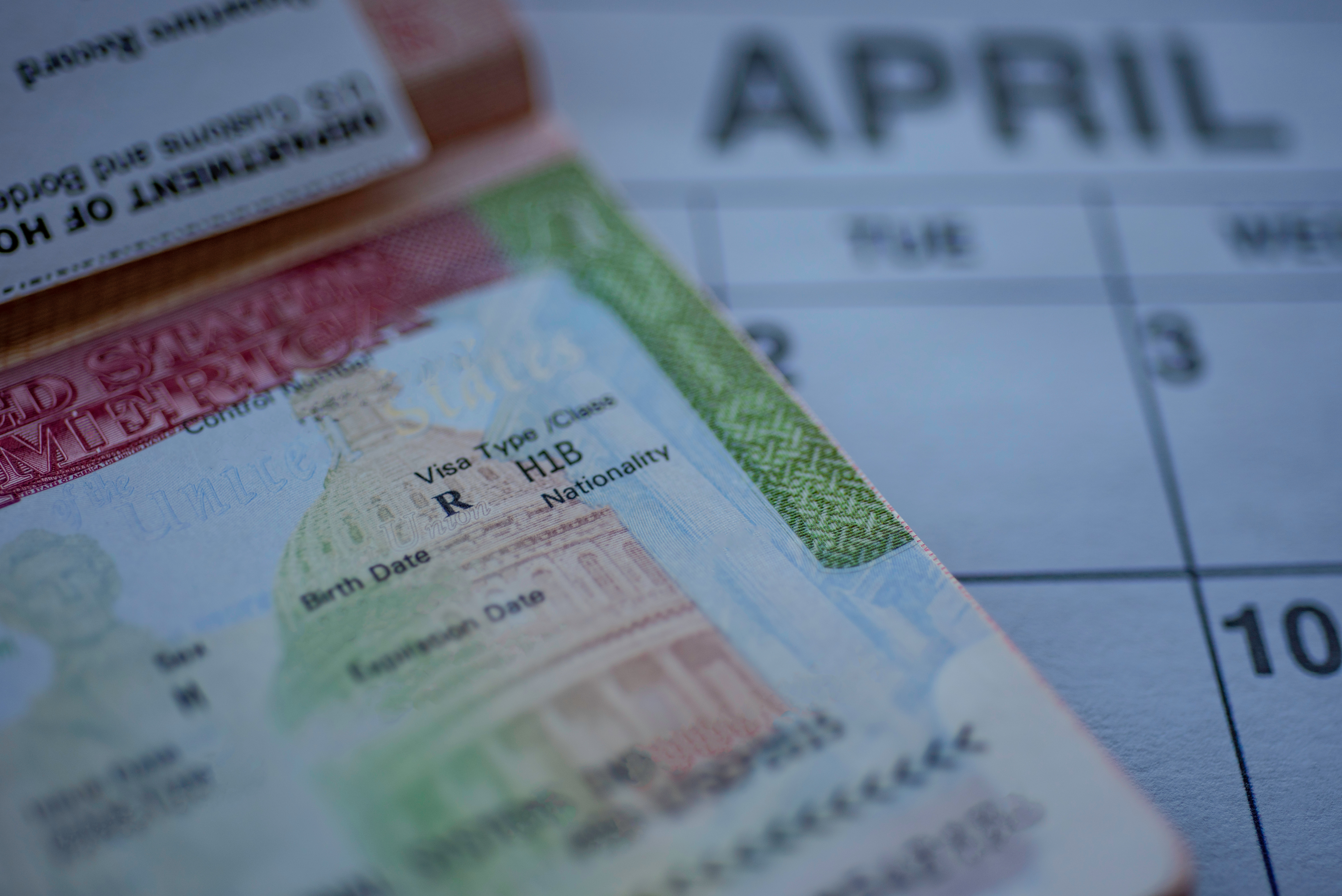
The unraveling of the H1-B fraud ring
By Easton Martin
Mounting evidence of extensive fraud within the H-1B specialty occupation visa program has surfaced following law enforcement operations in India that seized roughly 100,000 counterfeit academic credentials.
Indian authorities dismantled an illicit network involving at least 28 universities that manufactured bogus degrees, including one institution tied to the sale of more than 36,000 fake diplomas for as little as $1,400 each. These counterfeit documents provide an illicit gateway for foreign applicants to clear federal education requirements and enter the American workforce under the guise of specialized talent.
Federal immigration records reveal that roughly 83 percent of H-1B workers approved under the Biden administration were placed into junior or entry-level positions rather than advanced roles requiring irreplaceable technical expertise. Large corporations and staffing subcontractors continue to rely on the visa pipeline to displace qualified American university graduates with lower-cost foreign labor.
Texas Attorney General Ken Paxton initiated an investigation into multiple commercial entities operating suspected shell companies and ghost offices designed to game the visa sponsorship process. Paxton issued formal Civil Investigative Demands to hold employers accountable for fraudulent filings that sideline American workers.
The foreign credential racket demonstrates the failure of federal agencies to audit foreign paperwork effectively. With millions of applications approved over the past decade through a lottery system lacking stringent credential verification, the program has increasingly functioned as a corporate labor arbitrage mechanism.