
What makes a good leader? Lessons from George Washington and Donald Trump
By Easton Martin | September 8, 2026
What makes a good leader? There are doubtless many qualities and traits we could point to in business or political leaders that set them apart as truly remarkable. What set apart political leaders like George Washington, and business tycoons like Donald Trump? What helped George Washington fearlessly lead forces in the Revolutionary War, and what was it that gave Donald Trump the upper hand in business development in Manhattan? One common trait held by many successful leaders is their ability to appoint a trusted person to a certain position, and allow them to do their job.
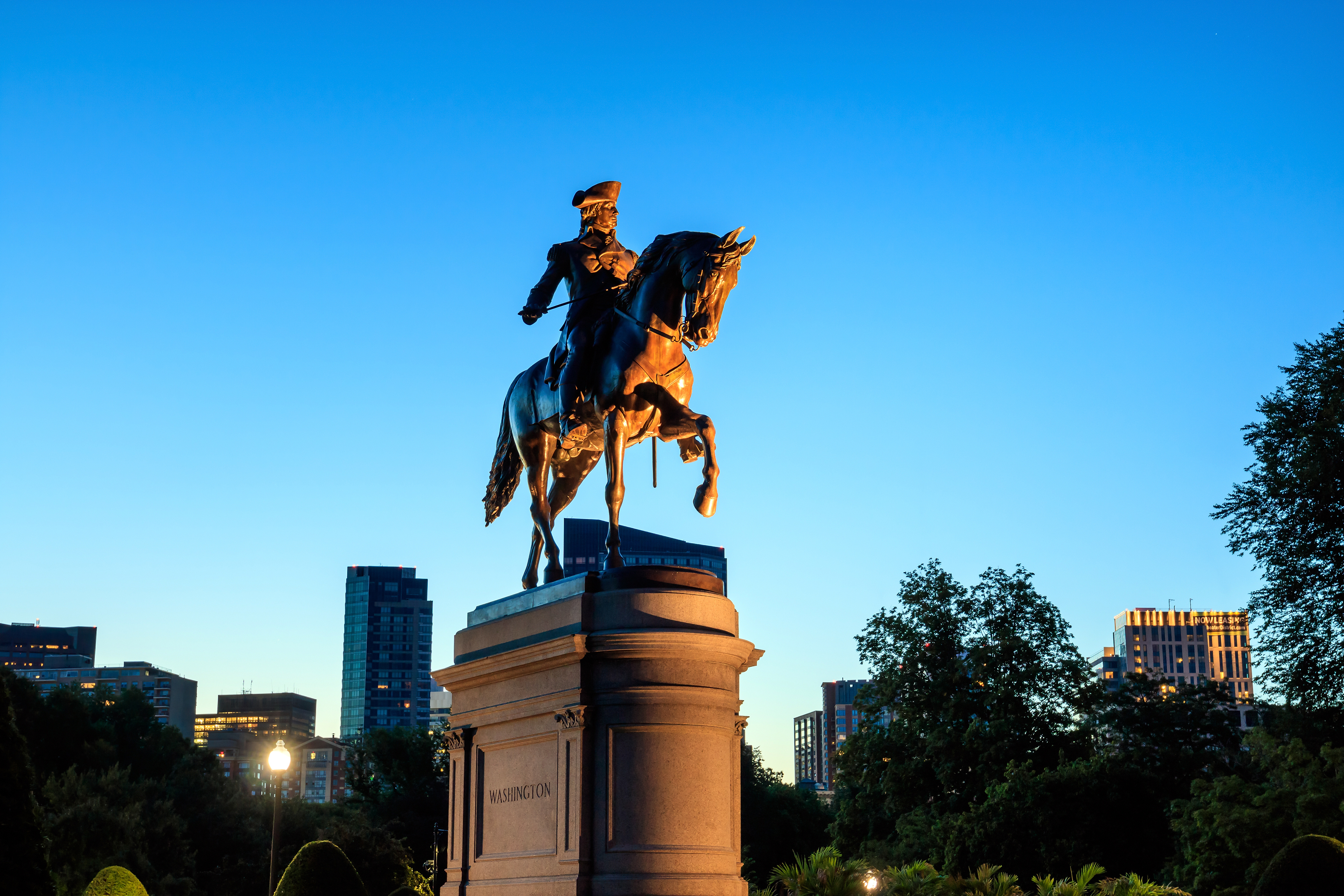
George Washington set a benchmark for statesmanlike delegation by treating his commanders and cabinet officials not as mere subordinates, but as trusted architects of his victory. Recognizing the limits of his own tactical knowledge during the Revolutionary War, Washington instituted formal Councils of War, gathering trusted officers like Henry Knox and Nathanael Greene to deliberate critical maneuvers. Rather than micromanaging from a distance, he gave his subordinates the authority to act on their instincts. When dispatching Greene to rescue the southern theater in 1780, Washington gave him broad strategic latitude, noting that because Greene was on the spot, he left it to him to give the orders he judged best. This deference to trusted subordinates continued into his presidency, where Washington assembled a powerhouse cabinet that included Alexander Hamilton and Thomas Jefferson. He functioned as the adjudicating chief executive rather than a day-to-day administrator, granting Hamilton the freedom to design the nation’s foundational financial infrastructure and proving that strong leadership hinges on allowing capable talent to execute the mission.
In the corporate world, Donald Trump applied a similar principle by relying on a tight-knit executive circle to manage the granular demands of development, freeing him to focus on acquisition and branding. Operating the Trump Organization with an unusually flat command structure, Trump intentionally avoided bureaucratic bloat in favor of placing high-stakes operational control into the hands of a few trusted leaders. A primary example occurred during the construction of Trump Tower in Manhattan, where he hired engineer Barbara Res as vice president of construction. Trump handed Res full operational command over contractors, logistics, and site schedules so that he could concentrate on deal structure, financing, and public promotion. In his own reflections on management, Trump repeatedly maintained that his chief talent lay in motivating good people to do their best work and letting capable managers execute.
In his book The Art of the Deal, Trump says, “In my life, there are two things I’ve found I’m very good at: overcoming obstacles and motivating good people to do their best work.”
Delegating the internal operations and asset management to people he trusted allowed him to retain the mental bandwidth necessary to pursue commercial expansion. This kind of success is ultimately what allowed Trump to attain the highest office in the land.