
What Massie and Khanna saw in the Epstein files, and why they were there in the first place
By Easton Martin | February 11, 2026
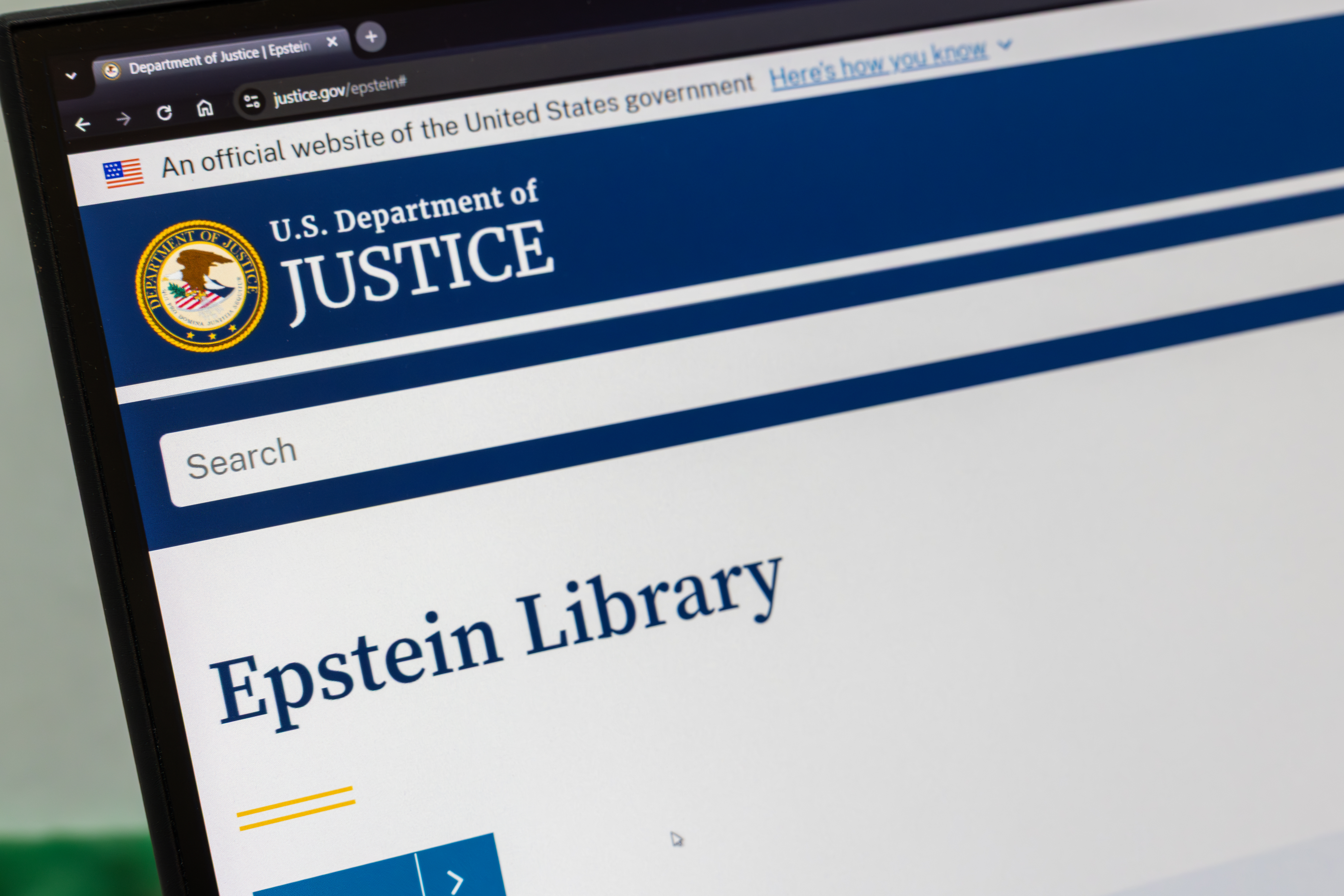
In February 2026, Representatives Ro Khanna and Thomas Massie challenged the Department of Justice over its heavy redactions of the Jeffrey Epstein files. Despite the passage of the Epstein Files Transparency Act, which mandated the release of nearly six million documents, the public version remained significantly obscured.
Khanna and Massie visited the Justice Department to review unredacted materials and subsequently revealed several names previously hidden from the public.
Khanna identified prominent individuals like billionaire Leslie Wexner and Dubai CEO Sultan Ahmed bin Sulayem.
Crucially, the unredacted documents revealed that the FBI had labeled Wexner a coconspirator in 2019, a detail that had been blacked out in public releases. Massie argued that the DOJ was improperly shielding powerful figures under the guise of victim protection. He pointed to a document where 18 of 20 names were redacted, noting that several individuals were men born before 1970 and thus unlikely to be the underage victims the law is intended to protect.
The Justice Department defends these redactions by citing the legal requirement to protect victim identities and sensitive personal information like email addresses.
They also claim that some redactions are necessary for national security or ongoing investigations. However, the Transparency Act explicitly states that embarrassment or reputational harm to public figures is not a valid reason for secrecy. This discrepancy led Khanna to describe the current state of the files as a farce, suggesting the government is effectively scrubbing the records to protect the well-connected.
The pressure from these lawmakers forced the DOJ to partially un-redact certain files, but millions of pages remain under review.