

Why do many Christians celebrate Ash Wednesday?
By Easton Martin | February 18, 2026
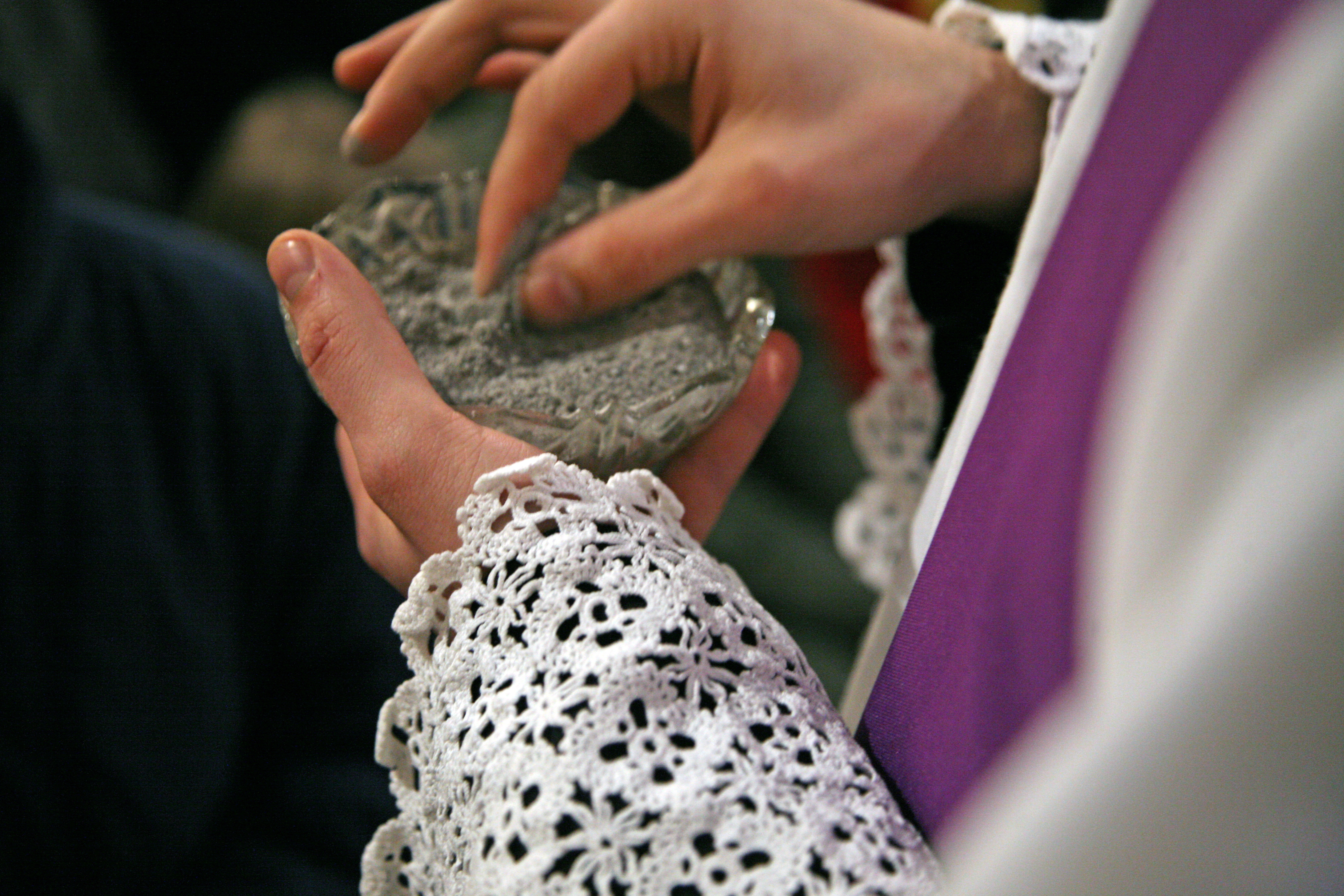
Ash Wednesday serves as the official opening of Lent, the forty-day liturgical season dedicated to preparation and penance. Observed by Catholics, Anglicans, Lutherans, and many other Protestant denominations, the day is characterized by services where clergy place ashes on the foreheads of the faithful. While the ritual is highly visible, the significance is rooted in specific theological concepts regarding the human condition and the relationship between the creator and the created.
The primary purpose of the ashes is to act as a physical reminder of mortality. This is traditionally tied to the biblical account of human origins in Genesis, emphasizing that physical life is finite. By receiving the ashes, participants acknowledge that their time on earth is temporary. This acknowledgment is to provide a clear perspective on the importance of spiritual health over material concerns.
It functions as a call to “metanoia,” a Greek term for a transformative change of heart or a turning back toward divine principles.
Theologically, the day also focuses on the concept of collective and individual repentance. The ashes used are typically created by burning the palm fronds from the previous year’s Palm Sunday celebrations.
This transition from the greenery of celebration to the grey soot of penance is meant to symbolize the cycle of the liturgical year and the need for constant spiritual renewal. Throughout the day, the emphasis remains on humility and the internal preparation required before the celebration of Easter.