

Why operation Epic Fury is (kind of) different than the 2003 invasion of Iraq
By Easton Martin | March 4, 2026
Many comparisons are being drawn from the U.S. invasion of Iraq in 2003 to the current operation in Iran, Epic Fury. Current military operations in the Middle East, however, do reflect a tactical departure from the 2003 invasion of Iraq in some meaningful ways.
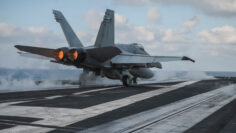
While the presence of naval and air assets in the region is significant, the primary focus remains on specialized air strikes rather than a large-scale ground campaign. The 2003 conflict was characterized by a massive land invasion aimed at regime change through physical occupation. In contrast, current strategies prioritize the use of precision munitions and unmanned aerial vehicles to degrade specific military infrastructure.
The current administration is not presenting the same type of intelligence justifications used to initiate the Iraq War. Instead of a buildup of tens of thousands of ground troops, the military has focused on maintaining carrier strike groups and reinforcing regional air bases.
This shift suggests an intent to avoid the prolonged insurgencies that followed previous land wars. However, the reliance on air power does not eliminate the risk of escalation. Retaliatory actions against regional bases have increased, leading to concerns about a wider conflict.
While the absence of a ground invasion force distinguishes this operation from the events of 2003, the long term effectiveness of a strictly air based approach remains a subject of debate among defense analysts. Historical precedents suggest that without a stabilized ground presence, achieving lasting political outcomes is difficult. The current mission remains centered on containment and surgical strikes to minimize the risk of a multi year occupation

%20different%20than%20the%202003%20invasion%20of%20Iraq&pic=https://lindelltv.com/wp-content/uploads/2026/03/AdobeStock_300705506.jpeg)
%20different%20than%20the%202003%20invasion%20of%20Iraq&pic=https://lindelltv.com/wp-content/uploads/2026/03/AdobeStock_300705506.jpeg)