
On Iran and U.S. tensions (and why things are not over)
By Easton Martin | September 2, 2026
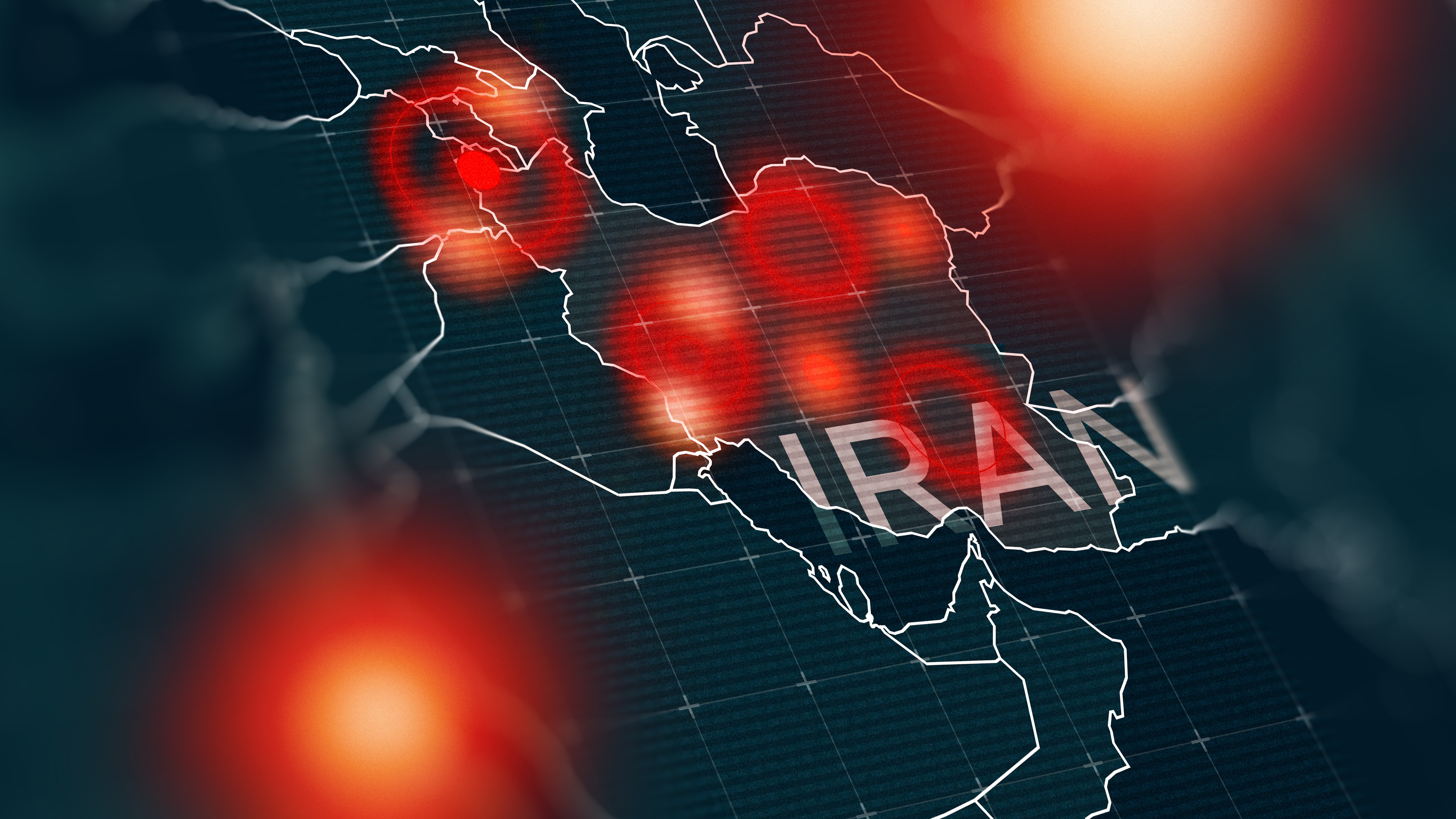
The latest escalation between the United States and Iran has shattered a period of relative calm and raised new concerns about a wider Middle Eastern conflict. American forces launched another wave of strikes against Iranian military targets while Tehran responded with attacks against American positions and regional allies.
The renewed fighting follows weeks of reduced military activity between Washington and Tehran. That lull now appears to have ended after Iranian attacks on shipping and other targets prompted an American response against the Islamic Revolutionary Guard Corps and associated military infrastructure.
According to the U.S. military, American strikes targeted Iranian air defense systems, radar installations, maritime assets, mine-laying capabilities and communications facilities. The operation also reportedly included strikes against Iranian government-owned oil tankers as Washington sought to pressure Tehran’s ability to threaten shipping through the strategically important Strait of Hormuz.
Iran responded by attacking American and allied positions across several Middle Eastern countries. Iranian strikes were reported in Jordan, Bahrain, Iraq and Kuwait, demonstrating Tehran’s continued willingness to expand the conflict beyond its immediate confrontation with American forces.
The Trump administration has maintained that Iran must no longer possess the ability to threaten American interests or acquire a nuclear weapon. The White House has previously described eliminating Iran’s missile capabilities, destroying its naval threat and cutting support for terrorist proxies as central objectives of the American campaign.
Washington has simultaneously continued its economic pressure campaign against Tehran. The State Department announced additional sanctions in August targeting Iranian military procurement activities and petroleum-related networks, further tightening the pressure on Iran’s economy.

&pic=https://lindelltv.com/wp-content/uploads/2026/09/AdobeStock_1941942780.jpeg)
&pic=https://lindelltv.com/wp-content/uploads/2026/09/AdobeStock_1941942780.jpeg)