
An update on the Iran negotiations: Is the end in sight?
By Easton Martin | May 20, 2026
Negotiations between the United States and Iran have reached what leaders on both sides describe as the final stages. Following a period of intense regional conflict and a fragile April ceasefire, diplomats meeting in Pakistan are trying to secure a comprehensive, long-term peace agreement.
U.S. President Donald Trump confirmed the critical window on Wednesday, stating that the process has entered its closing phase. While the administration has maintained a firm stance, including warnings of renewed military action if talks collapse, the ongoing dialogue represents the most serious effort to resolve the crisis since hostilities escalated. Iranian officials have similarly indicated that a definitive resolution is close, though they continue to voice opposition to what they characterize as excessive American demands.
Despite months of severe military friction and deep rhetorical divisions, several distinct factors are driving current hopes for a breakthrough.
The economic and structural toll of the recent conflict has created a powerful incentive for a diplomatic exit. The baseline pressure on Iran to achieve comprehensive sanctions relief and secure reconstruction aid remains exceptionally high. Analysts note that a lasting post-war settlement may successfully reframe Iranian nuclear concessions as a compensated transaction, allowing Tehran to exchange infrastructure limits for decades of guaranteed economic stability and investment.
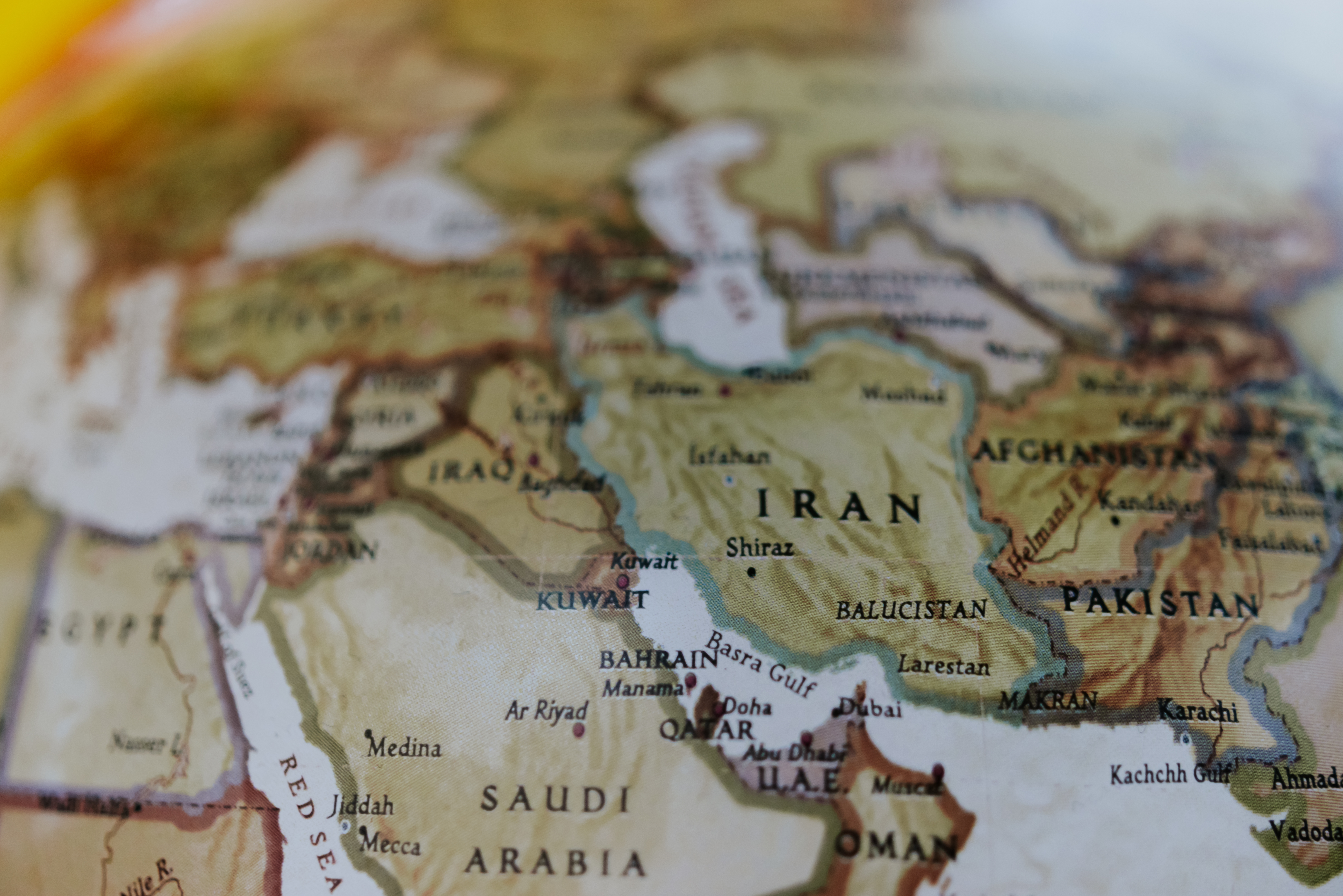
The structural framework of the current talks is far more direct and comprehensive than past initiatives. Rather than relying entirely on vague intermediate steps, the negotiators are working from concrete plans. The current diplomatic track, mediated by Pakistan and heavily influenced by regional Gulf states, deals directly with core security issues. This includes establishing permanent freedom of navigation through the crucial Strait of Hormuz alongside verified limits on nuclear enrichment.
International monitoring indicates that the fundamental components of a deal remain intact. Reports from the International Atomic Energy Agency confirm that Iran has maintained contact and provided access to its unaffected nuclear facilities. Satellite data has also shown no major reconstruction or new excavation at major struck facilities like Natanz or Isfahan. This lack of rapid escalatory infrastructure building suggests that Tehran is preserving the space required for a negotiated settlement.