
Good news for ranchers: POTUS moves toward deregulating American beef industry
Last week, President Trump announced the tariff-free importation of 300,000 metric tons of foreign beef into the U.S. market in an effort to bring down beef prices. The move generated much debate. Now, the president is trying a different approach to the problem.
Analysis by Summer Lane | August 28, 2026
President Donald Trump has taken a step toward slashing regulations in the beef industry, following a week of political debate over a recent executive order aimed at importing foreign meat into the U.S. market.
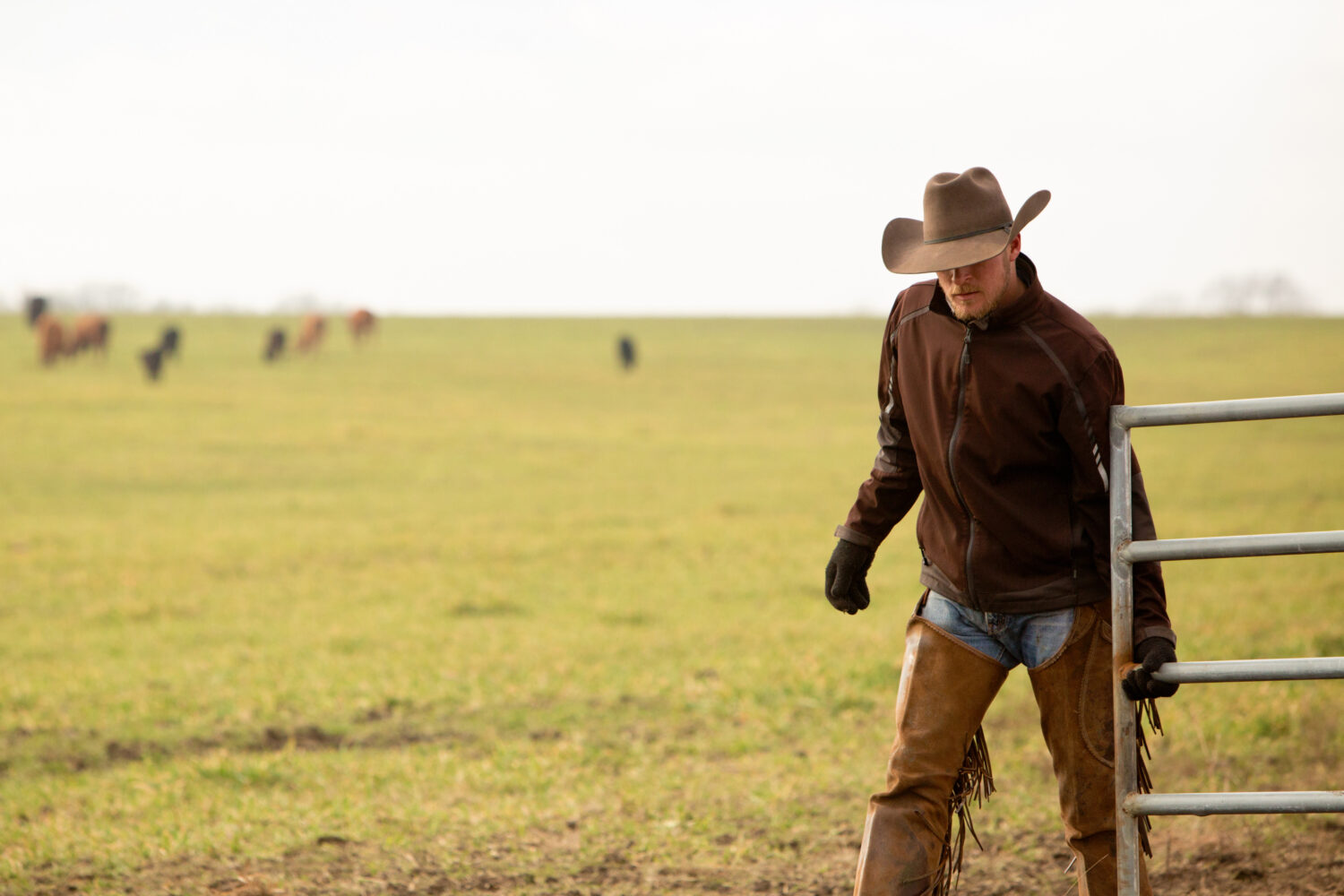
On Friday, the president published a post on Truth Social highlighting his loyalty to American ranchers and farmers and acknowledging the difficult situation, as far as meat processing, they have been facing.
“They work very hard, are smart, efficient, and immaculately CLEAN, but for years I have heard that they have had a tremendous problem with the Big Processors, who many say are a nasty Monopoly,” the president wrote. “There are, essentially, 4 of them, a very non competitive number, and they make life miserable for our wonderful Farmers and Ranchers, and I can’t let that happen, can I?”
The president is correct on this point. Four major companies control most of the meat processing and beef packing in the United States: Tyson Foods, Cargill, the National Beef Packing Company, and JBS USA.
“So, in order to break this powerful monopoly, with much of its ownership based outside of the U.S., I am authorizing legal documents to be drawn in order to allow Farmers and Ranchers to be given the right to PROCESS THEIR OWN FOOD,” President Trump stated. “This should move quickly.”
At this time, it is unclear exactly how President Trump plans to legally alter current regulations on meat processing, but it seems likely that he will start with an executive order directing new policy changes at the USDA.
Case in point: USDA Secretary Brooke Rollins responded to the president’s statement on X, writing, “Our great AMERICAN ranchers produce the highest-quality, most incredible beef in the world AND it is a matter of national security that we be able to feed and fuel ourselves.”
She outlined several changes that she said would begin Monday:
- Waiving red tape processing,
- Expanding ranchers’ ability to sell across state lines,
- Rescinding outdated guidance,
- Adding tech for faster safety data,
- Growing real support for small processors,
- Fighting consolidation so smaller processors can compete,
- Expanding truth in labeling.
Rollins’ statement here closely reflects the changes that were loudly demanded over the past week from MAHA-aligned allies in the conservative sphere. These changes also follow on the heels of an interview President Trump had with conservative commentator Glenn Beck.
“Please, please, when it comes to beef, please look at the cartel that is the meat processing cartel,” Beck told the president during a phone interview, referring to the four companies that hold an essential monopoly over the industry, as well as the complex regulations.
“I will look at that today,” the president replied. “I’ve been hearing about this problem for 20 years… This could be a very good call for ranchers and farmers… for the country.”
Remarkably, President Trump seems to have done exactly that. His announcement on Friday appears to be a direct response to Beck’s request – and it is also likely a reaction to the MAHA community’s criticism of last week’s order allowing the tariff-free import of foreign beef.
As reported by LindellTV, the president said that he had secured a commitment that this foreign meat would be sold domestically at 25 percent below current market prices for the next 90 days. However, American ranchers seemed to disapprove of this move, noting that it would only make it harder for them to compete with foreign suppliers.
“American cattle ranchers have been dealing with years of drought, high feed costs, and a shrinking herd,” said the U.S.-based meat company Good Ranchers in a statement. “The answer to that is not more cheap imported beef with lower standards competing against them on shelves with no country of origin label required to tell you the difference.”
Interestingly, the president’s new announcement on deregulating the beef industry – which will be only a temporary fix, as it stems from an executive order – closely mirrors existing proposed legislation: the PRIME Act.
This legislation was introduced by Republican Rep. Thomas Massie (Ky.), and essentially accomplishes some of the same goals laid out in Rollins’ statement – except, if it were to become law, it would provide a permanent solution.
The bill, according to Massie’s office, would localize meat processing operations, rather than sending meat to facilities located hundreds of miles away.
On Friday, Massie – who has been at odds with the president and will be leaving office next year after losing re-election – acknowledged Trump’s efforts, but championed his own bill.
“This is great, but it should be a law, not just an executive order,” Massie said on X. “My PRIME Act has dozens of bipartisan sponsors in the House & Senate. A pilot program for it is in the House farm bill. Pass the PRIME Act so consumers can get affordable U.S. beef and farmers can flourish!”
Regardless of the political spat between the two men, the PRIME Act would permanently accomplish some of the goals outlined by Secretary Rollins and President Trump.
Still, the president’s move to deregulate the beef industry is a step in the right direction, and he should get credit for taking recent feedback from the MAHA movement, Glenn Beck, and American farmers and ranchers seriously.
Photo: Adobe Stock




![Washington DC, District of Columbia, United States of America [ US White House, lawn and garden behind the fence, tourist visitors in the street ]](https://lindelltv.com/wp-content/uploads/2026/10/AdobeStock_316724535-1-236x133.jpeg)