
Federal Reserve lowers rates: what does it mean for Americans?
By Easton Martin | October 30, 2025
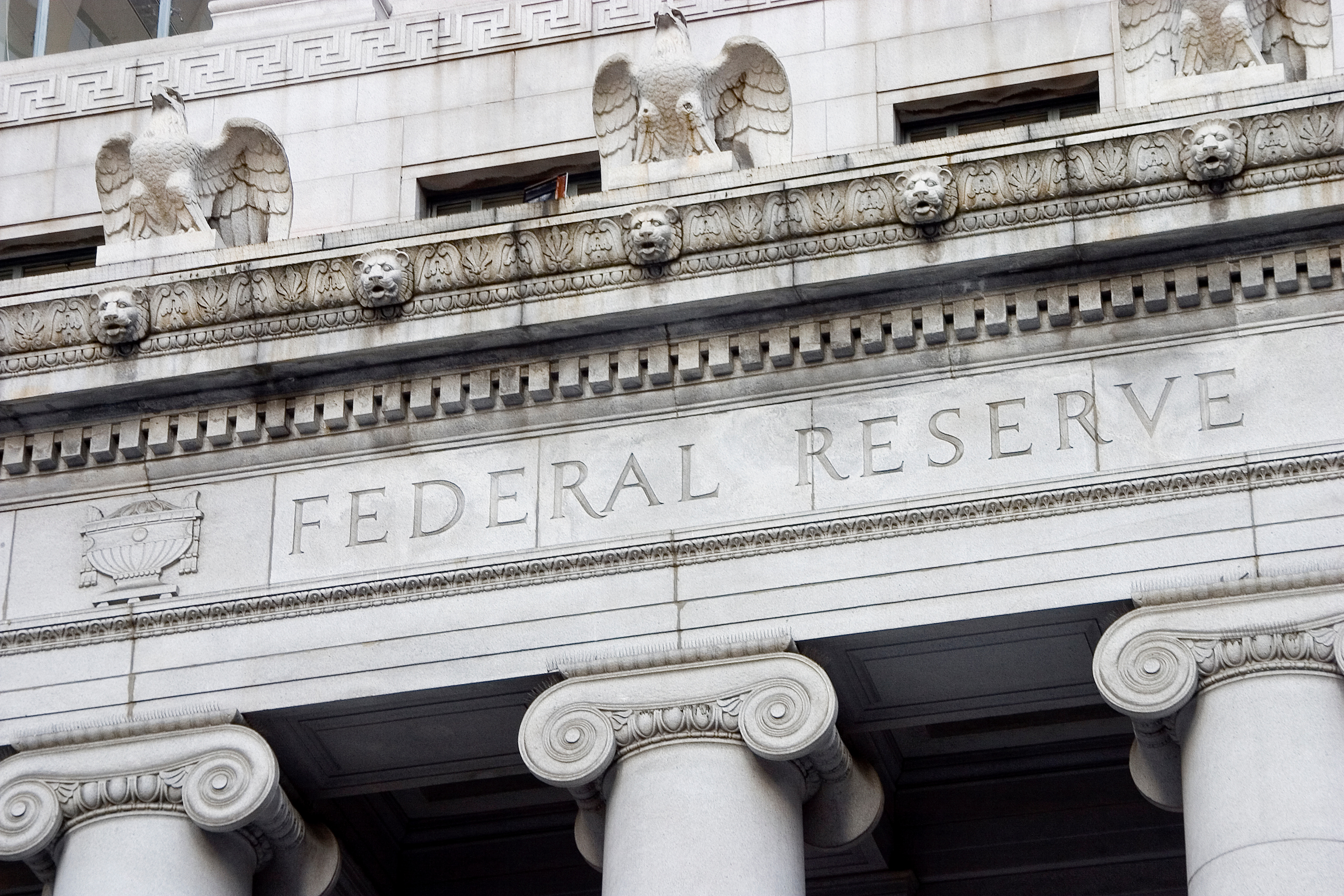
The Federal Reserve lowered its benchmark interest rate by a quarter point to a range of 3.75 to 4.00 percent on Wednesday, marking its second cut this year. Policymakers cited growing risks to the labor market, even as inflation remains slightly above the Fed’s 2 percent target.
Chair Jerome Powell compared the economy’s outlook to driving in fog: when visibility is limited, you slow down. The decision reflected that cautious stance. Two members dissented, one favoring a deeper cut, another wanting no change.
An ongoing government shutdown has left the Fed without key data on jobs and inflation, forcing reliance on private reports. Recent indicators show slower hiring and modest inflation pressures, with prices rising roughly 2.7 percent in August. To ease liquidity strains, the Fed also paused the reduction of its balance sheet and announced limited Treasury purchases.
For borrowers, the move could slightly reduce costs for mortgages, car loans, and credit cards. But markets no longer expect another cut this year, viewing the decision as a one-time adjustment rather than the start of a sustained easing cycle.




![Washington DC, District of Columbia, United States of America [ US White House, lawn and garden behind the fence, tourist visitors in the street ]](https://lindelltv.com/wp-content/uploads/2026/10/AdobeStock_316724535-1-236x133.jpeg)