

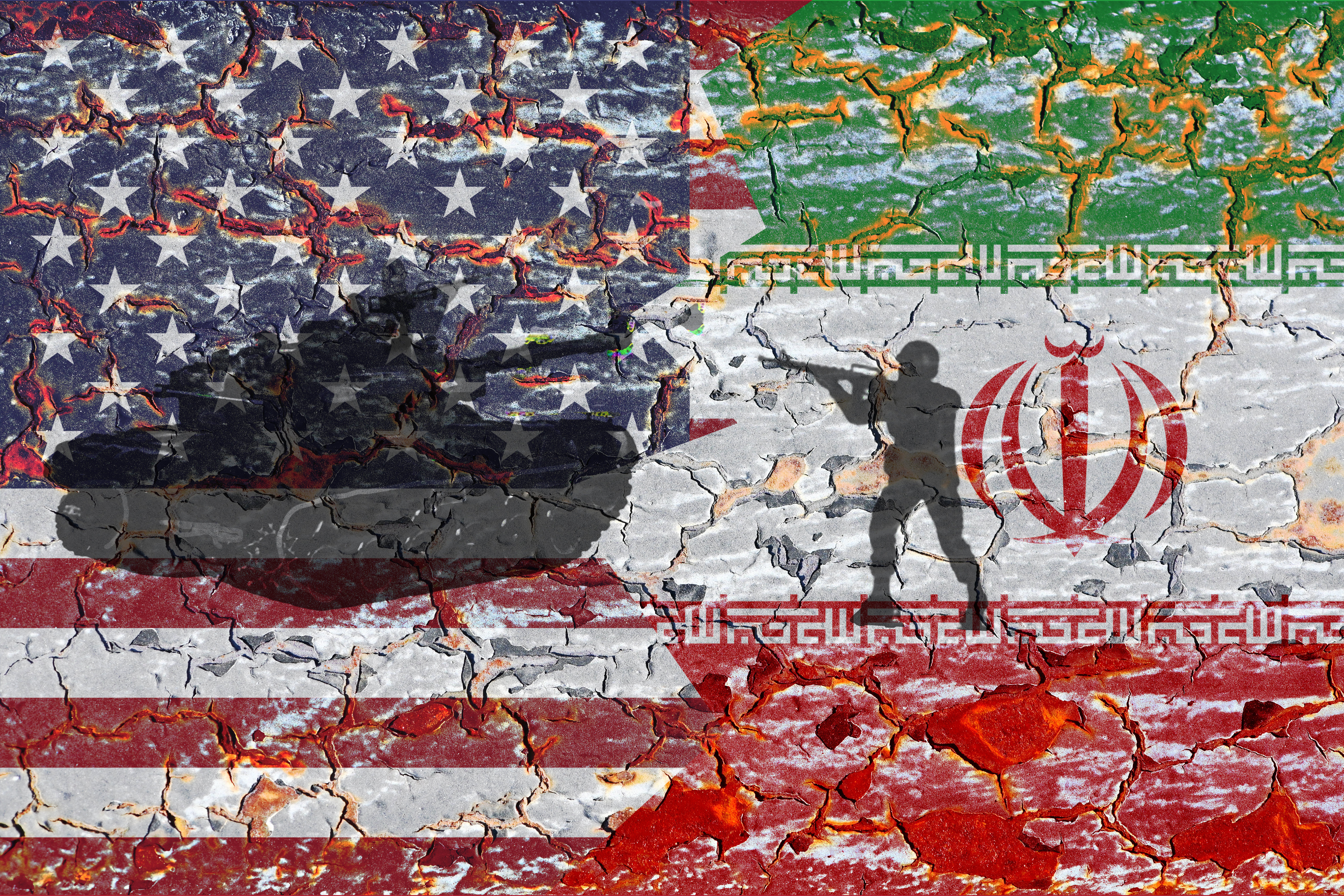
Iran: A Strategic End State and Integrated Pressure Campaign
By Jack H. Pryor– Colonel, Infantry U.S. Army | May 19, 2026
Why a negotiated settlement is no longer viable, and why removing the Islamic Revolutionary Guard Corps remains the only path to a stable Middle East
What is the path forward regarding Iran? Eliminate the IRGC from power. The following article details a plan on not only how we achieve that, but why it is ultimately necessary.
1. Purpose
To define the required strategic end state in Iran and outline a coordinated approach to achieving it through sustained pressure across political, economic, and security domains.
2. Strategic Assessment
There is no viable negotiated settlement under current conditions. The Islamic Revolutionary Guard Corps (IRGC) remains the central obstacle to any durable resolution.
If left in power, the IRGC will:
Rebuild its nuclear capabilities
Incorporate lessons learned from current conflict dynamics
Continue destabilizing regional activities
Any agreement that preserves IRGC authority is therefore inherently temporary and strategically insufficient.
3. Desired End State
Removal of the IRGC from positions of power
Establishment of a legitimate post-IRGC Iranian government (monarchical or democratic)
IRGC elements placed under the authority of a new Iranian state
Anything short of this outcome risks long-term failure and renewed conflict.
4. Strategic Approach
A. Sustained Pressure Campaign
Negotiations have reached diminishing returns. Pressure must be intensified through:
Economic leverage, particularly in energy sectors
Continued disruption of the regime’s ability to project influence
Maintenance of escalation dominance without unnecessary expansion
B. Maritime Security and Stability
Ensure freedom of navigation and secure commercial shipping
Maintain persistent naval presence using appropriate force allocation
Prioritize sustainability and risk-balanced deployment of assets
C. Regional Integration
Full participation from Gulf partners is essential, including:
Saudi Arabia
Qatar
Bahrain
United Arab Emirates
Their involvement strengthens legitimacy, signaling, and collective resolve.
D. Strategic Coordination
Maintain close alignment with Israel
Leverage intelligence-sharing and operational synchronization
Focus on sustained degradation of IRGC capabilities and cohesion
E. Internal Dynamics in Iran
Expand support to resistance elements consistent with legal authorities
Communicate clearly with Iran’s conventional military:
Participation in a post-IRGC future depends on present decisions
F. Infrastructure and Civil Considerations
Preserve critical civilian infrastructure wherever feasible
Maintain leverage over key economic nodes without unnecessary long-term damage
Balance pressure with post-conflict recovery considerations
G. Information and Regional Perception
Demonstrate visible Arab-world support
Reinforce legitimacy through coalition participation
Monitor and counter Iranian influence in neighboring states, particularly Iraq
5. Timeframe
A sustained, multi-domain campaign over the near term (weeks to months) is required to achieve meaningful effects and shape conditions for transition.
6. Conclusion
The removal of the IRGC from power is the central requirement for any lasting resolution. Without it, the outcome will be temporary, unstable, and strategically unfavorable. With sustained, coordinated pressure and a clearly defined end state, a post-IRGC Iran becomes achievable.