

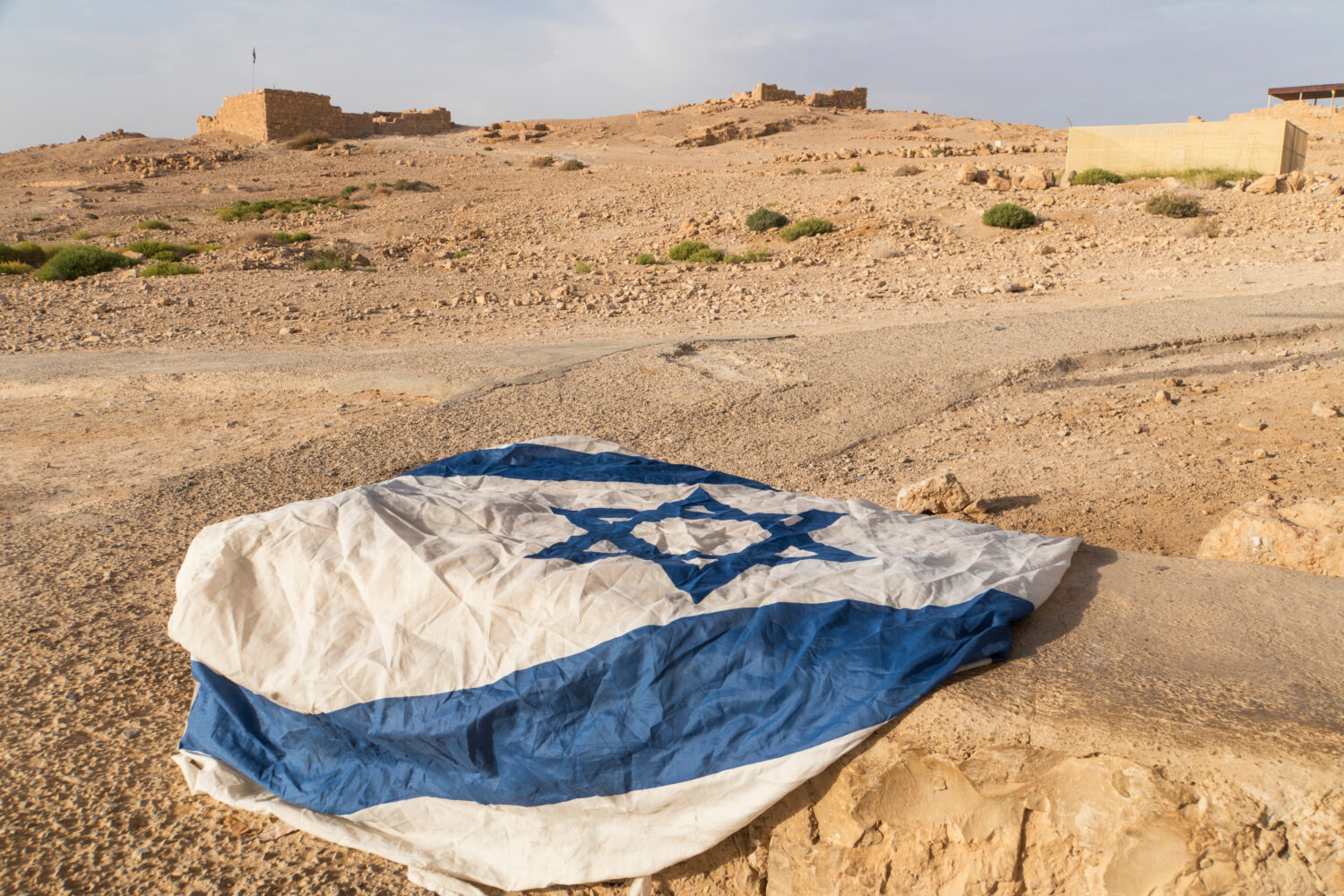
The Israel-Hamas peace plan is taking shape
Editorial | By Easton Martin | October 9, 2025
In a historic move, Israel and Hamas have agreed to implement the first stage of a U.S.-brokered peace plan, an agreement that could mark the most significant breakthrough in the decades-long conflict between the two sides. The deal, part of a broader 20-point framework, outlines a phased process beginning with a ceasefire, the release of all remaining hostages, and a large-scale prisoner exchange.
Under the terms of the first phase, Hamas will release both surviving and deceased hostages, while Israel will free a substantial number of Palestinian prisoners, including some serving life sentences. Israeli troops will also withdraw to a mutually agreed line, and humanitarian aid will begin flowing more freely into Gaza, where civilians have faced months of hardship under siege and bombardment.
The agreement follows months of backchannel negotiations mediated by the United States, Egypt, Qatar, and Turkey. Each has pushed to bring both sides toward a structured peace process with the aim of stabilizing Gaza and setting the stage for longer-term reconstruction and governance discussions.
For Israel, the deal provides a long-awaited opportunity to bring home the remaining hostages and de-escalate international pressure over civilian casualties in Gaza. It also offers a potential diplomatic win at home, showing that security objectives can be paired with humanitarian progress. For Hamas and Gaza’s population, the ceasefire offers immediate relief and a measure of international recognition, along with access to desperately needed aid.
Unlike previous temporary truces, this deal’s detailed, step-by-step structure gives it a clearer roadmap and measurable benchmarks. The linkage of troop withdrawals, hostages, and aid under international oversight could make the ceasefire more sustainable than past arrangements that often collapsed under mistrust and miscommunication.
If the first phase holds, the plan could usher in the most peaceful period in Gaza in years. It may also strengthen the credibility of international mediation efforts and set a precedent for future conflict resolution in the region. Though major political and security challenges remain unresolved, this initial breakthrough has given both Israelis and Palestinians a rare moment of cautious optimism and a glimpse at the possibility of lasting peace.