
Kennedy says NIH is developing a ‘universal vaccine’ that mimics natural immunity
The U.S. Health and Human Services Secretary commented on the development of a ‘universal vaccine’ during an event discussing rural healthcare
by Summer Lane | August 8, 2025
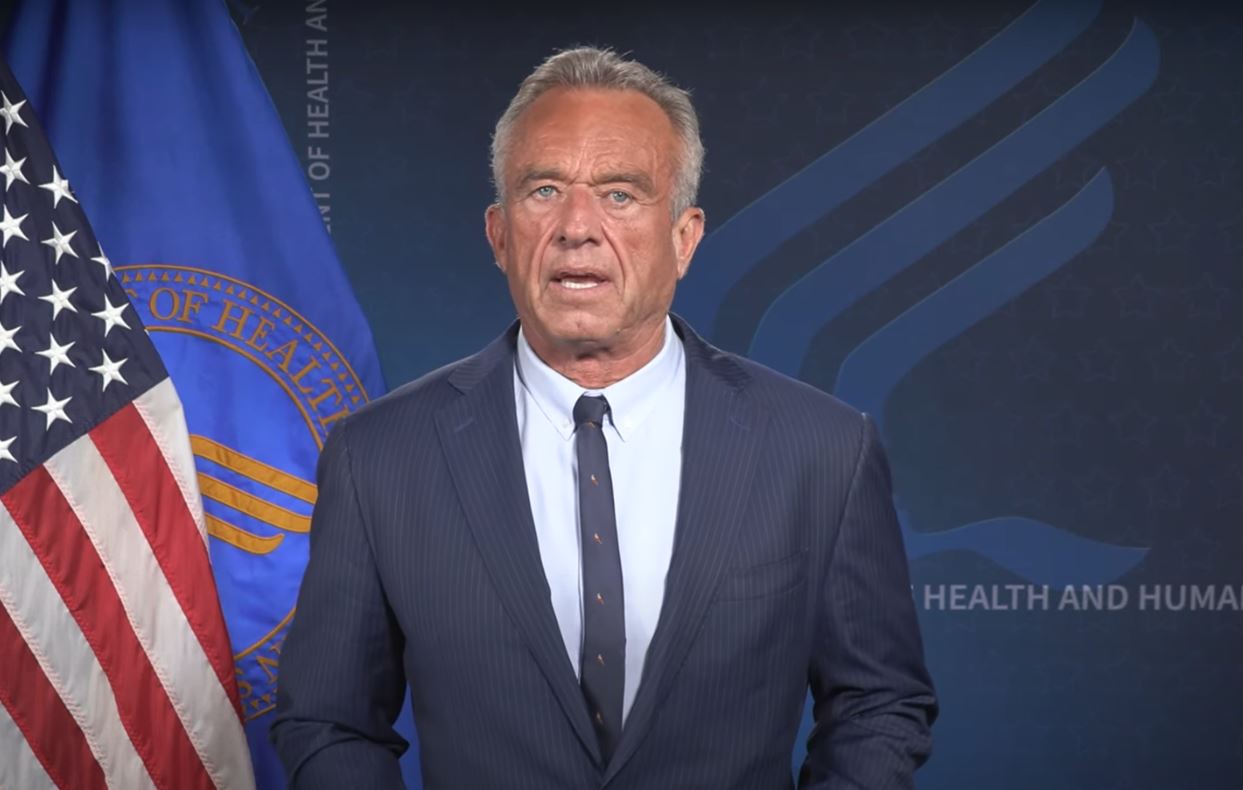
Health and Human Services Secretary Robert F. Kennedy Jr. this week discussed a “universal vaccine” being developed by the National Institute of Health (NIH), looking toward a singular immunization that could be an effective barrier from viral mutation.
“Right now we’re developing a universal vaccine at NIH, which is a vaccine that addresses the entire phylum of viruses,” he said during a rural healthcare event this week.
Kennedy continued, “It’s a vaccine that mimics natural immunity, and it is effective against any kind of mutations, so it doesn’t drive the virus to mutate.”
He said the NIH expected the vaccine to be effective against Covid and the flu. “It’s going to be a much safer and a much more effective vaccine,” he said.
What is a universal vaccine? According to Associate Clinical Professor of Pharmacy and Health Systems Sciences Brandon Dionne, it amounts to picking a spot within the virus that is unchanging.
In comments he made to Northeastern Global News, he explained, “If you could develop a universal flu vaccine, it wouldn’t be specific to last year’s H1N1 strain. It would be all influenza A because you’re targeting a part of the virus that is common among all the different influenza A viruses and is the same from season to season.”
Kennedy’s comment on universal vaccine development comes three months on the heels of an announcement from the HHS and the NIH highlighting a “next-generation universal vaccine platform for pandemic-prone viruses.”
The program prioritizes the realignment of the Biomedical Advanced Research and Development Authority (BARDA) branch of HHS to prepare for viral and influenza threats by reinforcing pandemic preparedness, boosting transparency in research, and continuing to develop vaccines.
Amid the development of a universal vaccine, Kennedy announced this week that the HHS would be canceling 22 mRNA investment contracts, citing mRNA immunizations’ inefficiency in combating viral mutations and protecting from illnesses like the flu or Covid.
“We’re shifting that funding toward safer, broader vaccine platforms that remain effective even as viruses mutate,” Kennedy said in a statement.



![Washington DC, District of Columbia, United States of America [ US White House, lawn and garden behind the fence, tourist visitors in the street ]](https://lindelltv.com/wp-content/uploads/2026/10/AdobeStock_316724535-1-236x133.jpeg)