

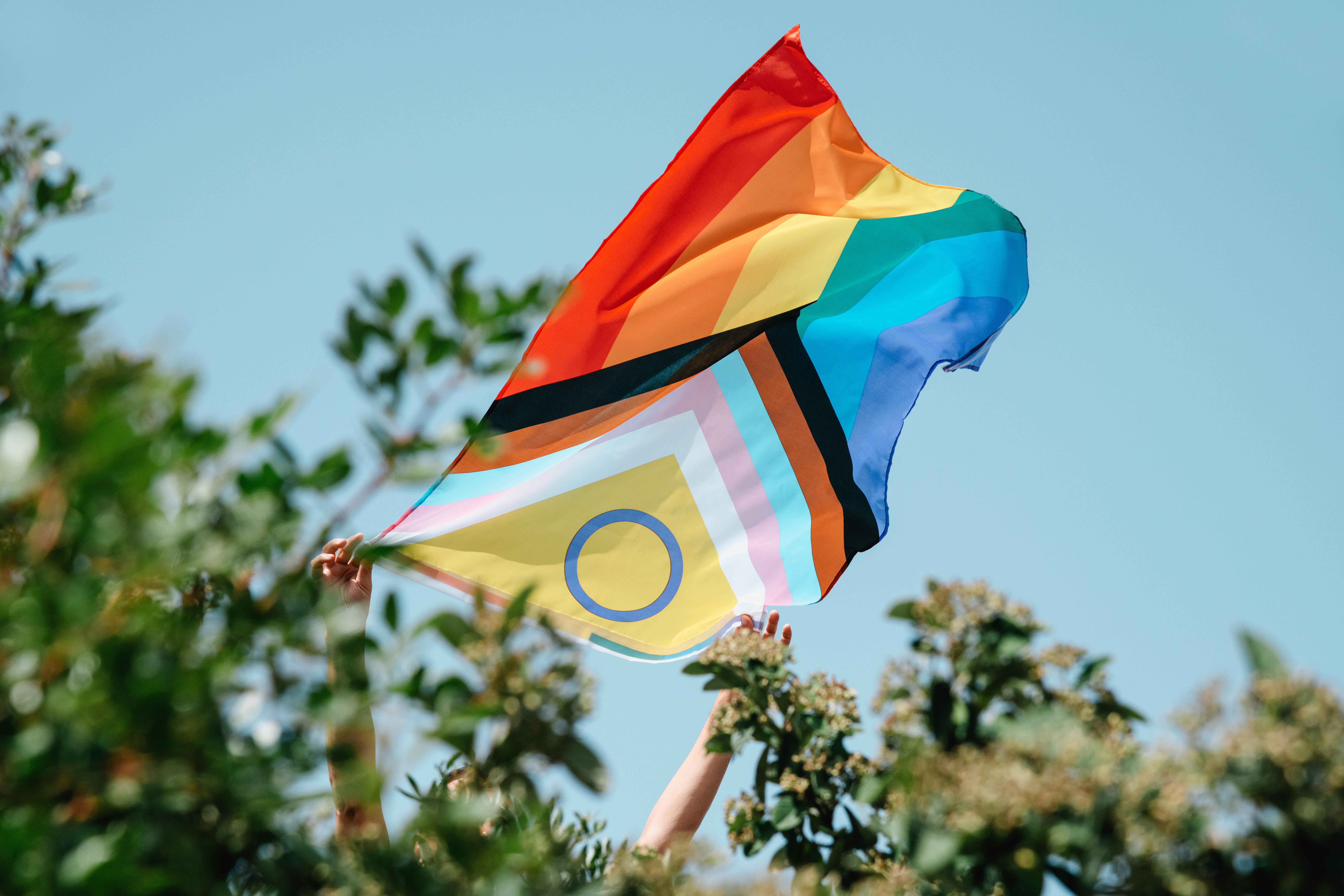
Less young people are identifying as LGBTQ: Why is that?
By Easton Martin
In an interesting trend, federal health surveys and academic studies reveal a measurable decline in the percentage of American teenagers and young adults identifying as LGBTQ, reversing a decade of steady growth.
Data from the Centers for Disease Control and Prevention show that self-reported identification among high school students and young adults dropped notably from peaks recorded between 2021 and 2023.
In the CDC’s Behavioral Risk Factor Surveillance System, the proportion of adults aged 18 to 24 who identify as lesbian, gay, or bisexual fell by roughly 21 percent over a three-year span. The largest drop occurred among young women identifying as bisexual, which previously accounted for the fastest surge in youth numbers.
Campus surveys tracking student demographics document a steep decline in nonbinary and bisexual identification among incoming classes, suggesting the pattern reaches beyond secondary schools.
Sociologists point to multiple factors behind the shift. For years, social media platforms and online subcultures amplified alternative identity labels among adolescents. As public conversation focused heavily on gender theory and identity politics, participation rose rapidly. The current reversal suggests that novelty, peer influence, and algorithmic reinforcement may have driven earlier spikes rather than permanent demographic changes.
Many young people are moving away from hyper-specific labels, responding to changing public discourse, parent pushback against school curriculum policies, and fatigue surrounding identity politics. Whether this is a true course correction, or just a change in season, the numbers confirm that youth identification patterns are moving in a new direction, and hopefully, will continue to do so.