
The importance of Rubio’s speech in Greece
By Easton Martin
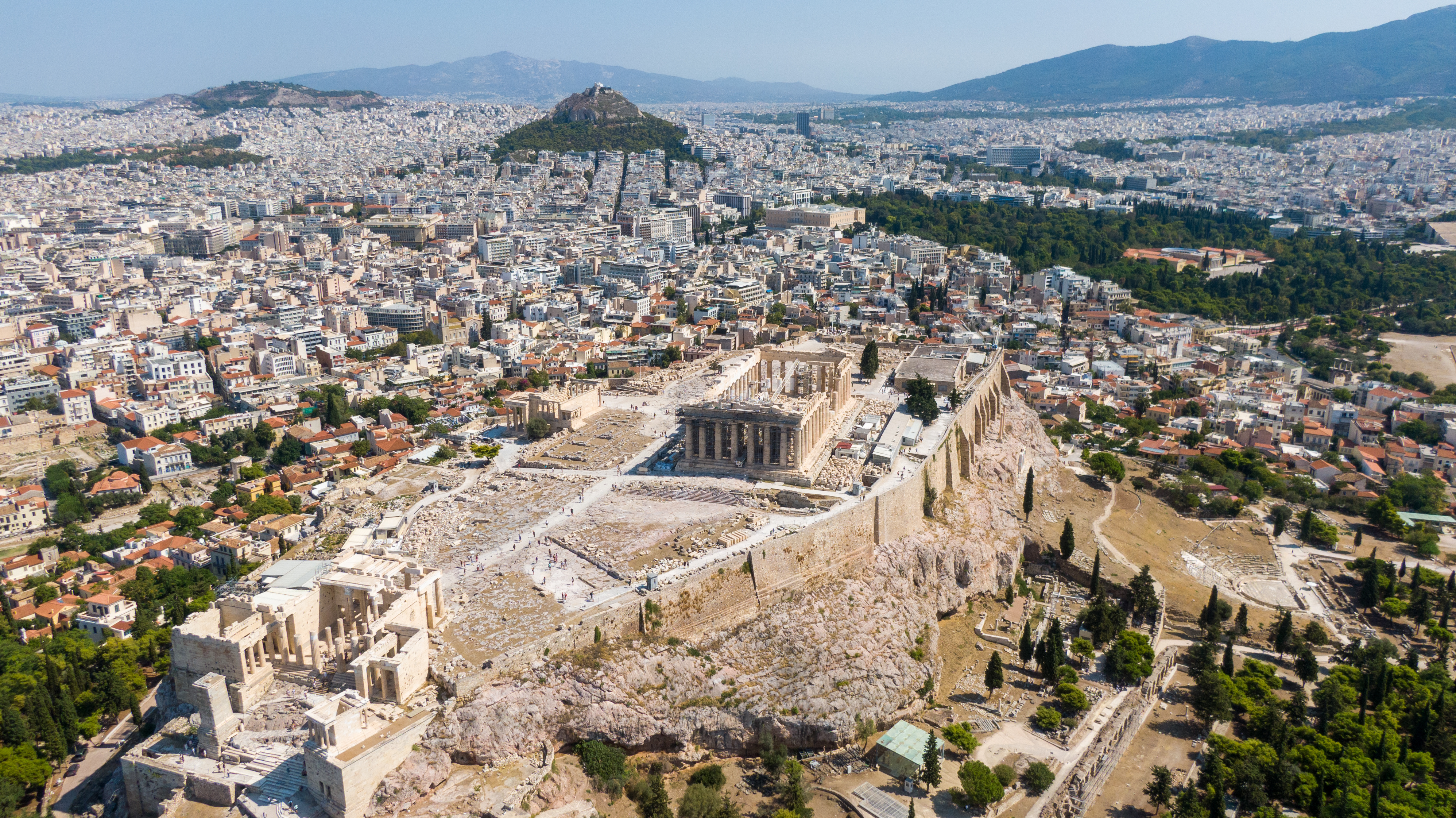
Speaking from the historic Pnyx hill with the Parthenon behind him, U.S. Secretary of State Marco Rubio delivered a major foreign policy address that tied modern American power directly to the origins of Western civilization.
The speech marked a key moment in Washington’s diplomatic outreach to southern Europe. Rubio used the setting to reject globalism and call for a revival of sovereign national strength across Western capitals. He told the audience that ancient Greek leaders understood that defending national interest above all else is not selfish, but necessary.
The address served two strategic functions. On a conceptual level, Rubio framed the current confrontation with authoritarian states not merely as a contest of military hardware, but as a defense of a specific civilizational heritage. He traced American institutions directly through Rome, medieval Europe, and ancient Athens, arguing that Western nations must recover their civilizational confidence to face modern threats.
On an operational level, the speech anchored Washington’s security posture in the Eastern Mediterranean. Alongside his philosophical remarks, Rubio met with Greek Foreign Minister George Gerapetritis and Prime Minister Kyriakos Mitsotakis to expand bilateral agreements on intelligence sharing, counterterrorism, and regional energy routes.
He addressed ongoing confrontations in the Middle East, noting that the United States maintains the military leverage necessary to secure shipping through the Strait of Hormuz and contain Iranian threats.