
The X-Report: The Dreams and Premonitions of 9/11
The X-Report Column | By Easton Martin | September 11,, 2026
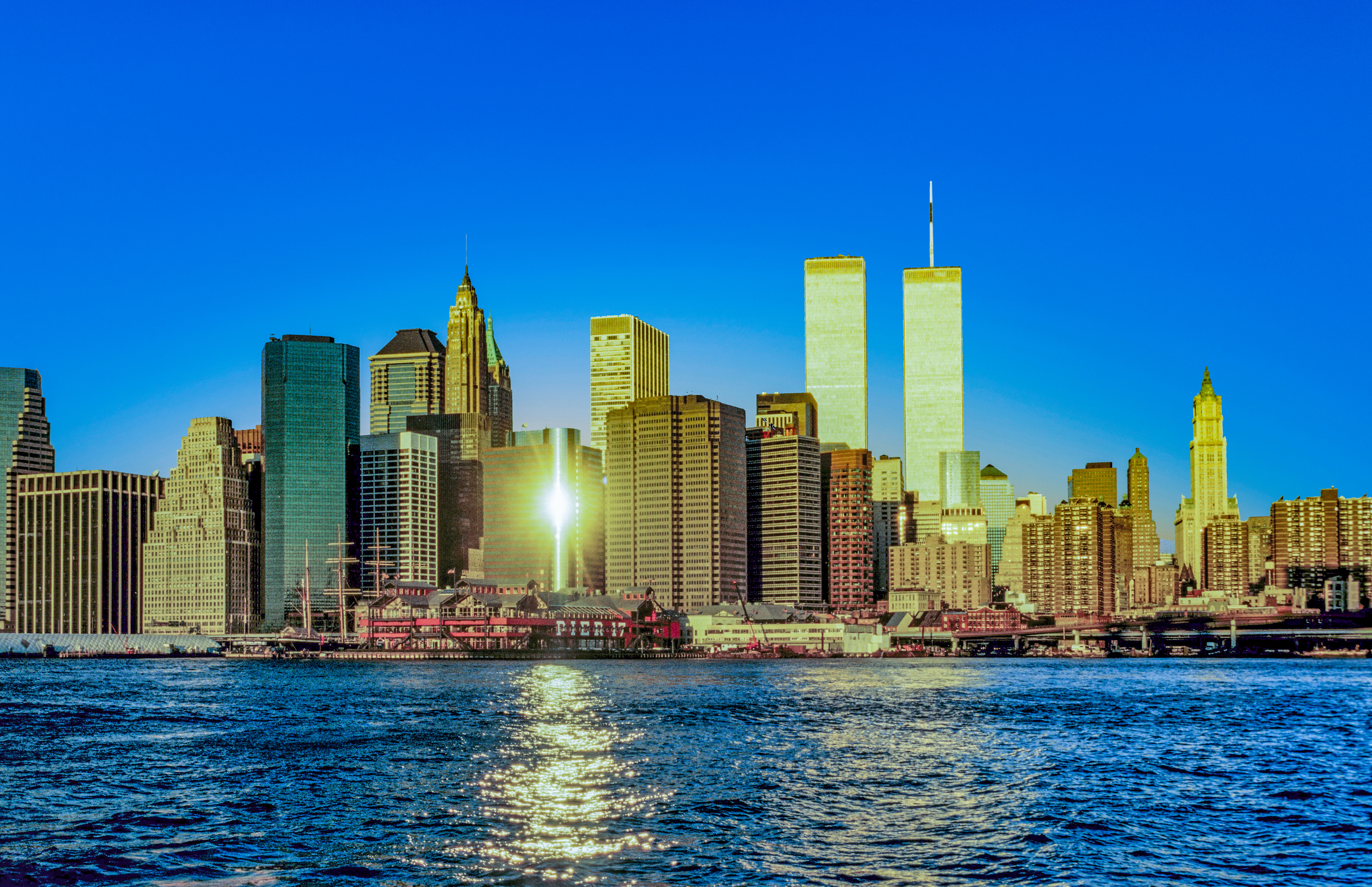
As we remember the 25th anniversary of 9/11, the documented accounts of premonitions and warnings before the attacks remain a strange part of the historical record. Many individuals, from high-level security officials to private citizens, reported dreams, premonitions, and sudden behavioral shifts that pointed directly to the events of September 11, 2001.
In the weeks leading up to the attack, several victims told family members that they expected to die soon. Eamon McEneaney worked as a senior executive at Cantor Fitzgerald on the 105th floor of the North Tower. He had survived the 1993 World Trade Center bombing after leading dozens of people down the stairwells. By August 2001, his wife, Bonnie McEneaney, noticed a distinct change in his behavior. Eamon sat his wife down to review life insurance policies, gave instructions on how to handle the children if he died, and stated that he did not expect to live much longer. Bonnie documented these conversations in her book, noting that similar accounts occurred in dozens of other families who lost loved ones that morning.
Dreams also provided specific warnings. Tamara Gurbis, an artist living in New York, recorded a nightmare in July 2001. In the dream, she stood in an office high above the city, looking through broken windows at smoke and debris while signaling for help. A week before the attacks, she visited the South Tower observation deck. While on the deck, she experienced sudden dread and physical nausea, convinced that the structure faced immediate destruction. The sensation forced her to leave the building immediately.
Intuitive sense also served as a warning for the coming attack. A man named Rick Rescorla served as director of security for Morgan Stanley in the South Tower. Following the 1993 truck bomb, Rescorla concluded that terrorists would eventually attack the World Trade Center using commercial aircraft. He instituted mandatory evacuation drills every six months, forcing thousands of employees to practice stairwell evacuations. When the North Tower caught fire on the morning of September 11, Port Authority officials broadcast an announcement instructing employees to remain at their desks. Rescorla ignored the directive and immediately ordered Morgan Stanley workers to evacuate. His decision saved roughly 2,700 lives, though Rescorla died after returning inside to clear the remaining floors.
A similar conviction drove John P. O’Neill, the former head of the FBI counterterrorism division in New York. O’Neill spent years tracking al-Qaeda operations and warned colleagues that the group intended to strike the World Trade Center again. After retiring from the FBI, O’Neill accepted a job as head of security for the World Trade Center in late August 2001. During a dinner with friends days before the attack, he warned that the complex remained the primary target for foreign terrorists. O’Neill died in the towers on his eleventh day in the new role.
Researchers later examined the patterns of collective presentiment surrounding the event. Dr. Larry Dossey and various dream database coordinators reviewed accounts submitted prior to September 11. They cataloged hundreds of dreams from the weeks before the attacks that depicted passenger planes crashing into tall buildings in major cities.
Flight records from that morning also showed unusually high no-show and cancellation rates on the four hijacked airliners, suggesting that unexplainable hesitation altered travel decisions for several passengers.
These accounts do not fit neatly into standard forensic investigations. Yet the documentation left behind by victims and everyday citizens shows that the events of that morning were seen in some form or fashion by a strange number of people.