
Ukraine accepts a provisional peace deal, what needs to happen for the war to actually end?
By Easton Martin | November 25, 2025
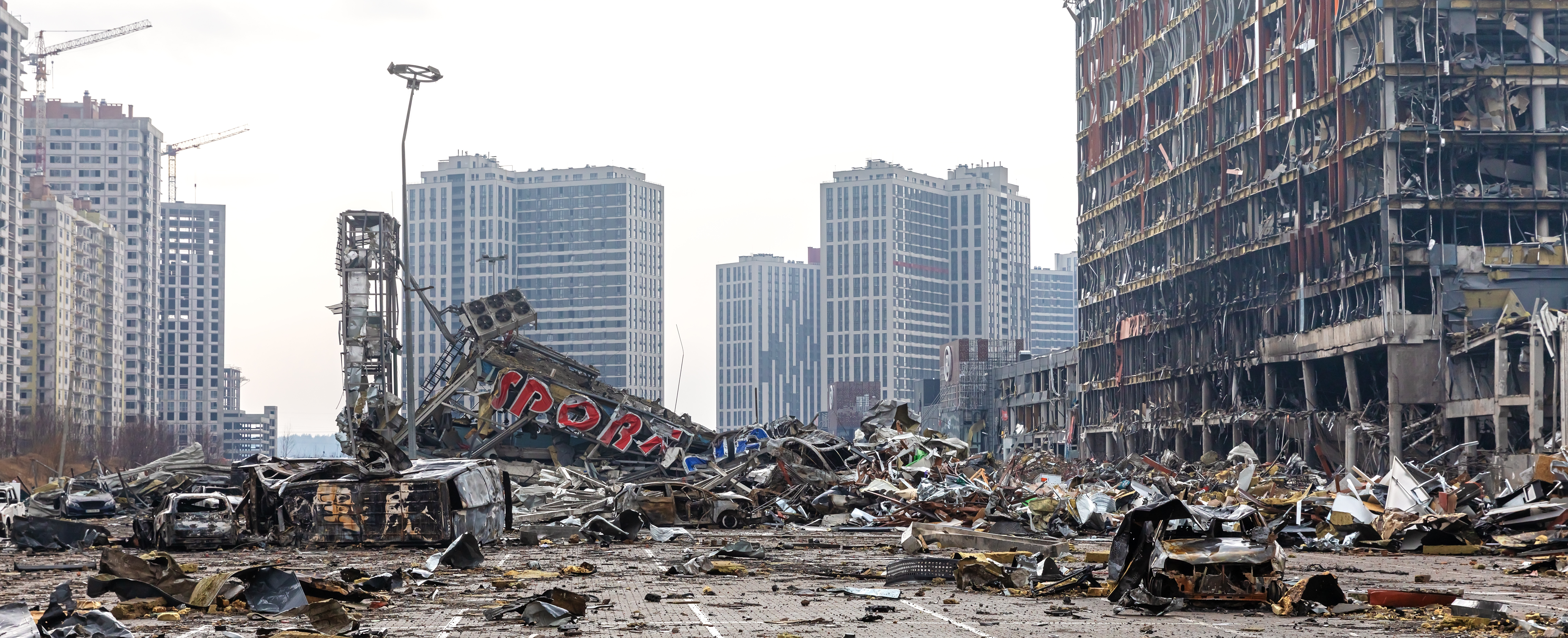
Ukraine’s acceptance of a provisional peace framework is an important development, but it does not bring the war to a close on its own. The path from an agreement in principle to a real and lasting end to hostilities still depends on several unresolved issues that carry heavy political and military weight for both sides.
The immediate next step is a verifiable ceasefire. Temporary pauses have been attempted before and have collapsed quickly, so any new ceasefire must include clearly defined rules for land, air, and maritime activity, along with reliable monitoring by outside observers. Without this structure, a halt in fighting could be little more than a brief tactical pause.
The largest hurdle remains territorial control. Russia currently occupies significant parts of eastern and southern Ukraine, and both sides have firm, conflicting positions on the future of this land. Any settlement must address whether Russia keeps some areas, whether Ukraine regains them, or whether a phased process is created to determine their final status.
Security guarantees are another essential element. If Ukraine agrees to limits on future military alliances or weapon systems, it will demand firm protections from outside states to prevent another Russian assault. These guarantees must be specific, enforceable, and durable.
Issues such as prisoner exchanges, humanitarian access, sanctions, and the return of displaced civilians must be worked out in detail.



![Washington DC, District of Columbia, United States of America [ US White House, lawn and garden behind the fence, tourist visitors in the street ]](https://lindelltv.com/wp-content/uploads/2026/10/AdobeStock_316724535-1-236x133.jpeg)