
What is a ‘lame duck’ session and presidency?
President Donald Trump is about to enter a “lame duck” period of his presidency. What does that mean? And what is the origin of this political term?
Analysis by Summer Lane | November 16, 2026
The aftermath of the midterm elections in the United States has been seismic. Republicans were defeated in both the U.S. Senate and the House, handing majority control of the U.S. Congress to Democrats.
Such a political defeat would have been impossible to imagine just two years ago, when the GOP dominated in the 2024 presidential election cycle. The energy was off the charts, and the political winds were with the Republican Party.
Now, the political sands have shifted yet again. With Democrats poised to take ironclad control of both chambers in 2027, there has been much chatter about the constraints of such a tidal change, particularly in the White House.
President Donald Trump has two more years to serve as the chief executive, and losing majorities was certainly not an ideal outcome – although, perhaps, it was to be expected, amid war in the Middle East and skyrocketing gas and diesel prices.
Even Vice President JD Vance has openly admitted that the political bloodbath could be traced to one core issue: the war with Iran.
“The reason we lost is the war,” Vance said in a statement after the election. “The president himself said so last night. If you’d like to argue it was worth it, that losing the Senate for the next 6 years was worth it, then do so. Argue it was a worthwhile cost to pay. Agree or disagree, that’s at least honest. But everyone knows why we lost. And any honest conversation about where we go from here must start there.”
Republicans’ defeat in November has created a “lame duck” period for Congress and, broadly, for the president’s next two years in office.
But what does such a term mean – and where did it originate?
The historical roots of ‘lame duck’
A “lame duck” session refers to the period in which the U.S. Congress returns to work after an election and before the newly elected members are sworn in (between November and January, in this case).
Lawmakers are often generally unwilling to pass any kind of sweeping legislation during this time, because they are anticipating the next power transition.
The term “lame duck” reportedly originated in the 18th-century London stock exchange. It was a slang term used to describe someone who couldn’t make good on paying back debts; essentially, on the floor but unable to fly, as Michael Fedor put it in this article.
As it pertains to the presidency, a lame duck administration means that while the president remains in power, his party has no majority control in the U.S. Congress. That, of course, is what President Trump is facing for the next two years.
However, some analysts may also refer to any presidential second term as a lame duck term, simply because a final-term president will never face re-election again, therefore taking the pressure off Congress to codify what the president wants.
This point may be debatable, but what President Trump is facing right now is the reality that Democrats will doubtless send legislation to his desk that is antithetical to the America First agenda he was elected on.
What happens then?
The power of the veto
As reported by LindellTV, President Trump has said that he plans to veto “a lot of things” Democrats will send to his desk over the next two years.
“…And I think, eventually, they’re going to call me, and they’re going to say, ‘Let’s make a deal,’” he said. “And we’ll be able to make deals on healthcare, on drug prices.”
Certainly, the president will be utilizing his negotiating power with Congress, but without majorities, his agenda is effectively moot.
Republicans held the majorities in both chambers for two years and failed to pass critical America First legislation – that is on them, not the voters.
While speaking to reporters on Monday, the president said that midterm elections for the president’s party had been worse “four or five times” in the past.
He said the midterms were “certainly not a victory, but my people were unhappy.”
The president continued, “…They were not happy with the bills that were being passed in Congress, and we’ll have to make them happy…but I wasn’t on the ballot. If I was on the ballot, it would have been a much different story.”
All of this, as Trump acknowledged, has led to what could be a very tough two years for the president’s administration.
What power will President Trump retain?
Executive authority is not in any way diminished amid a lame duck presidency. President Trump still has the power to grant pardons, for example. He can also issue executive orders, which direct federal agencies and shape federal policies.
President Trump additionally has the power of the veto, as stated above. To override a presidential veto, Congress requires a two-thirds supermajority vote, which seems highly unlikely, even with Democrats in control of both chambers.
Most notably, the president maintains unilateral control of the United States military.
Right now, Republicans in the U.S. Senate are reportedly working to confirm as many judicial nominees as possible. There are also several federal spending deadlines in December that Republicans might be able to make headway on before the end of the session. It’s hard to say if the GOP will accomplish any of this, or if they will simply ride out the last few weeks of 2026.
Once January 3, 2027 arrives and the new U.S. Congress convenes, the lame duck period will begin in earnest, and the president will have to lean heavily into his executive authority to duke it out in D.C.
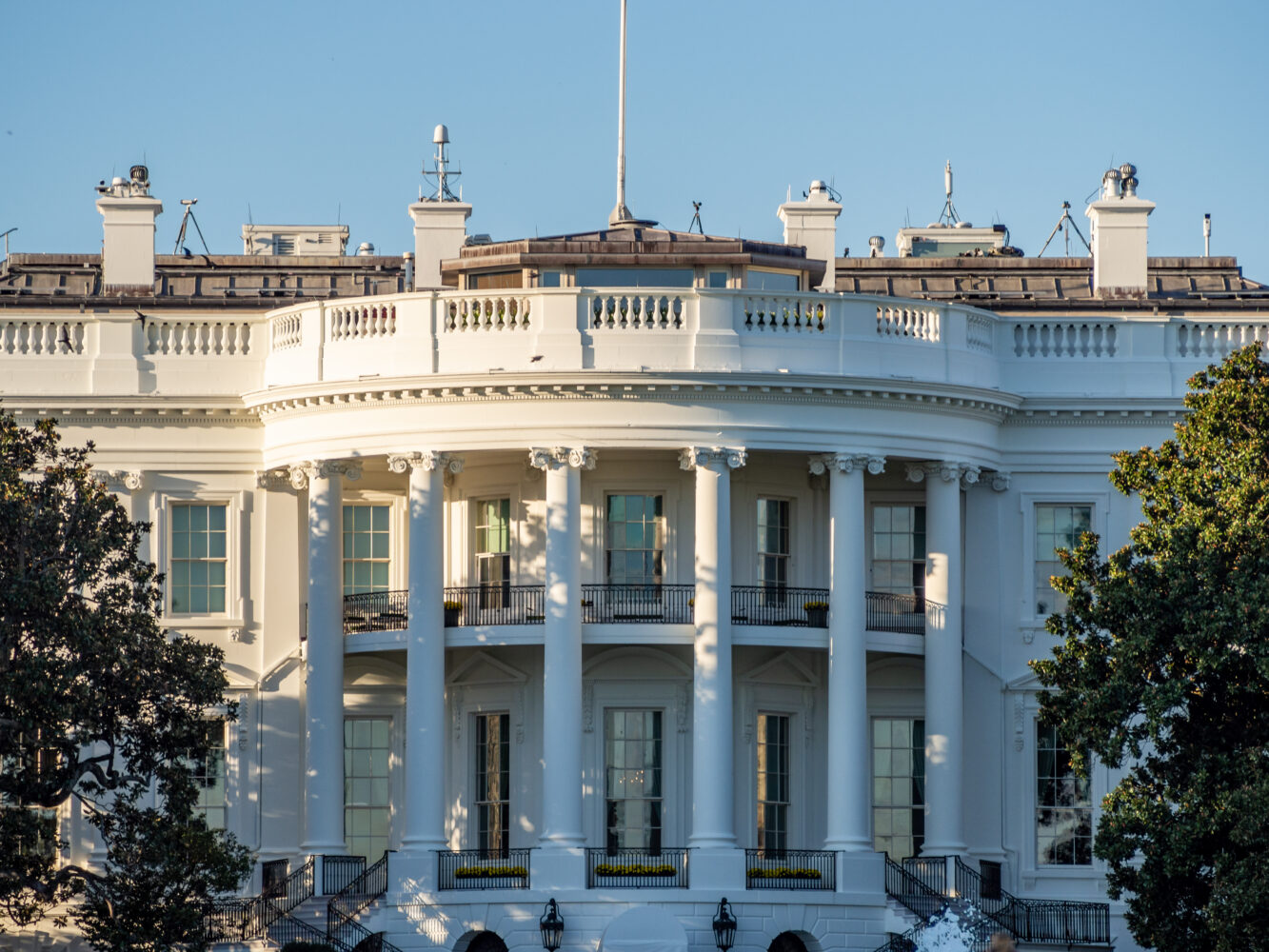
Photo: Adobe Stock