
Amid midterm bustle at home, Israel’s election may seem like a footnote – but it could shape America’s future
The U.S. midterm elections are incredibly important, so this week’s Israeli election may be an afterthought for many people. What happens in the Holy Land, however, may significantly shape U.S. foreign policy.
Opinion-editorial by Summer Lane | October 26, 2026
Most of America is focused on the U.S. midterm elections this week – electoral contests that will shape the political landscape in D.C. for the next two years and, possibly, into the next presidential contest.
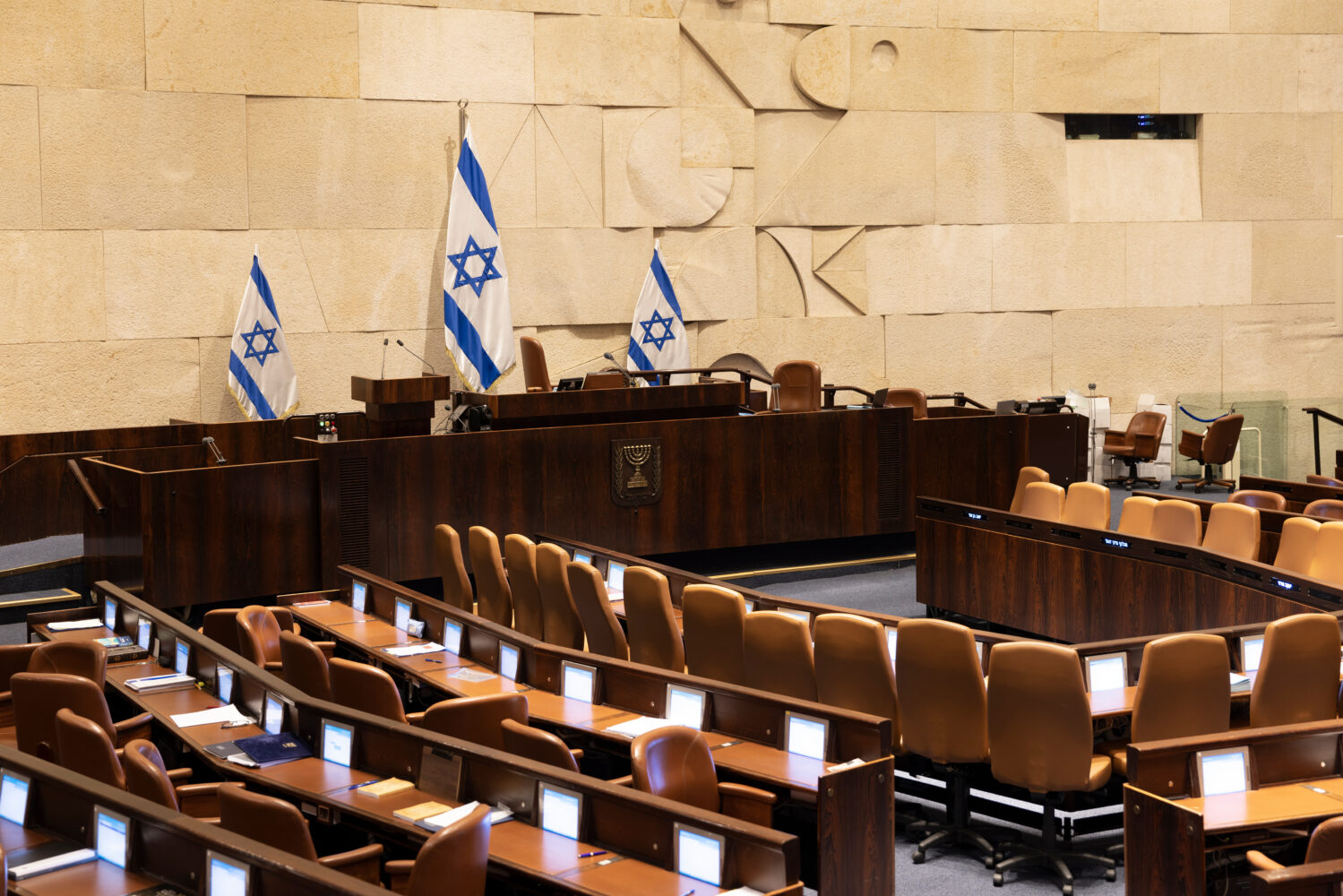
But amid the domestic hustle and bustle over tight Senate races and heated congressional contests, a faraway election in a distant land may hold considerable sway over the future of American foreign policy: the Knesset election in Israel, in which Prime Minister Benjamin Netanyahu is fiercely fighting to maintain power amid a tumultuous and difficult war.
It is the first national election for the country since the horrifying Hamas terrorist attacks of October 7, 2023.
For Israel, the past three years have been a period of great suffering and uncertainty. Between the death toll in the wake of October 7 and the longwinded process of returning Israeli hostages (thanks largely to the efforts of the U.S. president), Israelis – a resilient and hardworking people – are likely tired of violence and death.
Therefore, it comes as no surprise that the election this week, in which war-postured Netanyahu’s premiership is on the line, may be slightly more trepidatious than originally thought.
Israel has waged a multi-front war since 2023, and now, in 2026, the U.S. transparently joined the effort to quash what is perhaps the most talked-about enemy of Israel: Iran.
Netanyahu’s efforts to lobby the U.S. into war with Iran – or at least engage in Middle East conflicts – are no secret. It makes strategic sense, of course. The U.S. is Israel’s most powerful ally and friend, so why wouldn’t he use that relationship to further the interests of his own party and agenda?
The question for Israelis this week will be whether Netanyahu’s eagerness for war will secure his position as prime minister, or whether Israelis are seeking a slightly different path.
President Trump’s endorsement
This week, President Trump reiterated his strong endorsement of Netanyahu;
“Bibi Netanyahu has been a Great Warrior Prime Minister, and an even greater Partner for Peace in combatting the Islamic Republic of Iran, with its 51 year old chant, ‘Death to Israel, Death to America! We will destroy the Little Satan and the Big Satan.’ What Country can survive when things such as this are allowed to be said, because eventually, they always end up being true? It would have been only a question of time until Iran would have put that ominous phrase into effect, but they have been systematically destroyed, both Militarily and Financially, and unless they change their ways, rapidly, we will soon finish the job.”
President Trump also said that “anyone other than Bibi” will leave the U.S. holding the bag on finishing the war with Iran.
It’s unclear what the dynamic here is, as the U.S. is the senior partner in this U.S. military operation, and much of the Israeli military operates with U.S. support and weaponry. Therefore, it seems as if it would be Israel that needs the assistance of the U.S. to conclude the conflict with Iran – not the other way around.
And yet, President Trump has made his position on the matter clear. Perhaps other Israeli candidates for prime minister would not be aligned with U.S. interests in Iran, therefore spurring the president’s comments.
Whatever the underlying reason, the U.S. president is clearly telegraphing that he does not want to work with anyone other than Netanyahu.
Netanyahu’s ominous X post, Knesset member’s appeal
On Sunday, Netanyahu posted a shockingly ominous post on X. In it, he reposted the words of author Yuval Blumberg on the “real and tangible existential danger” Israel faces if Iran were allowed to acquire nuclear weapons.
Attached to the post was a very vivid picture of a city, presumably an Israeli location, being obliterated by a nuclear weapon.
The post stirred up understandable debate and fear. And yet, Netanyahu’s posturing here seems inauthentic: according to President Trump and the Department of War, Iran’s military power has been significantly degraded, and as far as anyone knows, Iran’s nuclear capabilities are non-existent.
For Netanyahu to claim that without his leadership, Iran will obtain a nuclear weapon seems absurd – isn’t that what this entire war has been centered on? And hasn’t the U.S. already stopped the IRGC from doing exactly that? Or are we missing an important piece of this picture?
According to an insightful report from The New York Times, Israelis are feeling the weight of this – and many other – profound political questions as they head to the polls this week.
“It’s really a danger for the Israeli state as an idea,” Yuval Eylon, a retired Israeli rear admiral and current researcher at the Institute for National Security Studies in Tel Aviv, told the outlet.
His comments referred to the growing division and internal disunity within Israel.
Eylon continued, “Ten years ago, people said we could deal even with a nuclear Iran, because we’re strong as a country, strong inside. But if you don’t have unity of the people, then the external threat becomes a mortal threat.”
The prime minister’s political opponents and chances
Who is Netanyahu facing this election cycle?
Primarily Gadi Eisenkot, a former Israeli general and current leader of the young and centrist-focused Yashar party. Another high-profile contender is former Israeli Prime Minister Naftali Bennett, a former commando who has also represented a centrist-leaning party called “Together.”
According to NBC, polling by Israel’s Wala news has generally shown the Yashar party pulling slightly ahead in the Knesset elections, leading Netanyahu’s right-leaning Likud with 23 seats against a projected 19.
Netanyahu’s future as prime minister will depend entirely on whether the Likud and its right-leaning allies can maintain enough seats in the Knesset to protect his premiership. If not, Eisenkot, Bennett, or other opposition party candidates may suddenly be in the dominant position to earn the Knesset’s mandate to lead.
If Netanyahu loses control now, what does that mean for the U.S.?
There is no doubt that, if Netanyahu loses his position in Israel, the country may shift in a different direction when it comes to the war. This possibility seems most likely if Eisenkot were to succeed Netanyahu.
“We have two options: the 20 points of President Trump, or to use force,” Eisenkot told TIME Magazine. “I prefer the diplomatic option—and I believe I can do it. But if not, I know how to dismantle Hamas with force.”
He also seemed to suggest, in that interview, that he took issue with Netanyahu’s strategy of attacking Iran without having a clear exit strategy in mind – something that has become glaringly obvious in the months of fighting that have ensued since the war was launched on February 28.
How could a leader like Eisenkot potentially affect U.S. involvement in Iran? It could cause division between the Trump administration and the Israel government, for one. Or, it could give the U.S. a much-needed exit ramp in the conflict overseas.
In fact, a political shift in Israel may end the war with Iran entirely – something most Americans would likely see as a net positive.
However, one should never be too quick to count Prime Minister Netanyahu out. He is a hardened political survivor who has a history of surprising comebacks. The polls right now suggest Israelis may be ready for a political change, but Netanyahu may yet hold fast to power.
Either way, the way the Israeli Knesset elections play out will doubtless have a significant impact on U.S. involvement in the Middle East.
Photo: Adobe Stock