

A foreigner tax at National parks? Why it actually makes perfect sense
By Easton Martin | May 5, 2026
The new Department of the Interior policy to charge international visitors an extra fee is a necessary step toward protecting our most iconic public lands. This change addresses the dual issues of funding equity and extreme overcrowding in a way that finally puts American taxpayers first.
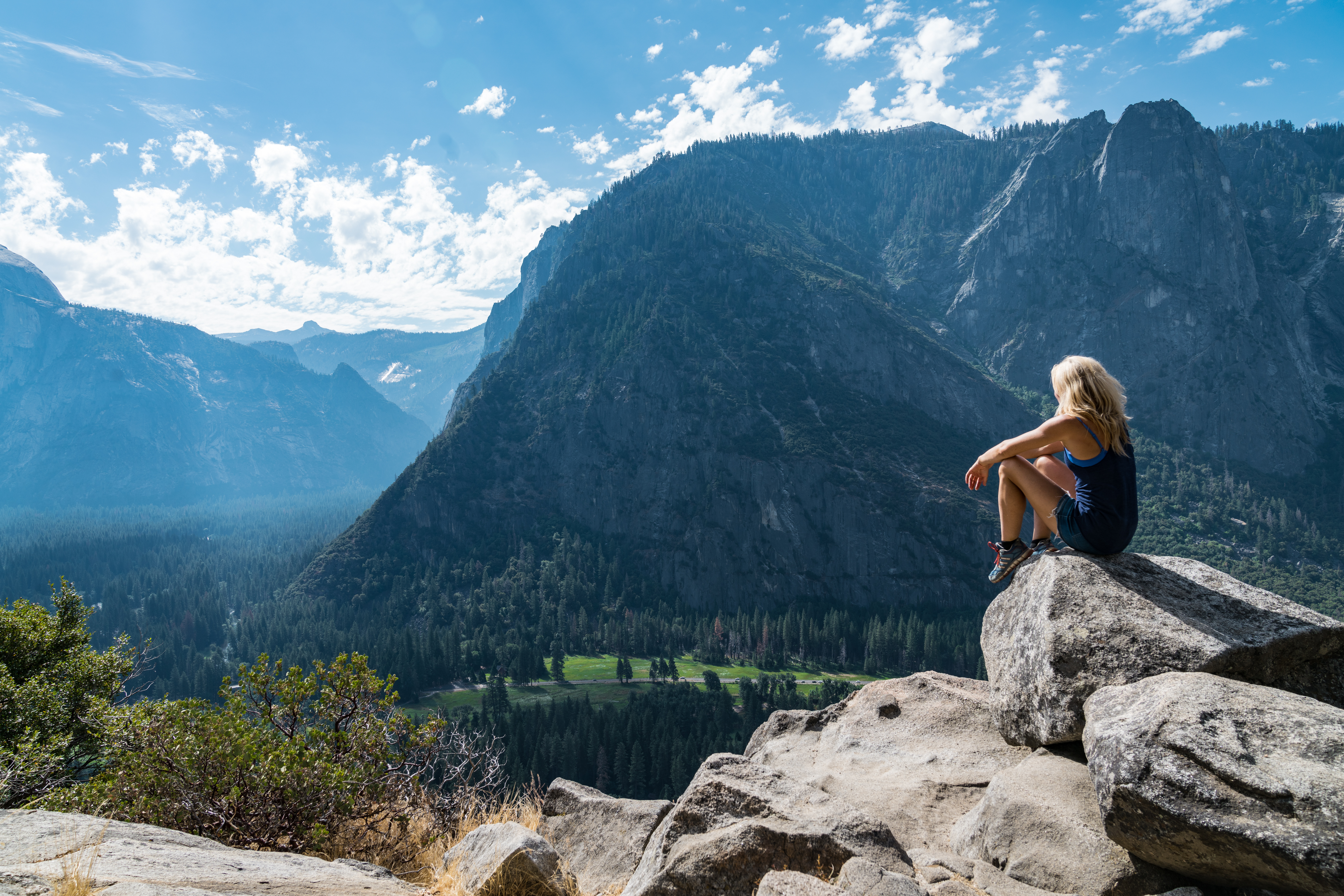
Implementing a higher entry fee for non-residents is a smart move that honestly should have happened sooner. Our national parks are absolute treasures, but they are becoming victims of their own popularity. When you can barely see the valley floor in Yosemite because of the crowd, the experience loses its magic. A significant portion of that foot traffic comes from international tourists who get to enjoy these pristine landscapes without ever contributing to the federal tax pool that keeps them running.
American citizens pay for these parks through their income taxes every single day. We fund the rangers, the trail maintenance, and the conservation efforts year after year. It is only right that visitors from other countries pay a premium to access these resources. This fee levels the playing field and ensures that the financial burden of upkeeping the land does not fall solely on the shoulders of domestic taxpayers.
The surcharge is specifically targeted at 11 of the most popular and heavily visited sites in the system. Travelers from abroad now pay the additional fee at Acadia, Bryce Canyon, Everglades, and Glacier. It also applies to the Grand Canyon, Grand Teton, Rocky Mountain, and Sequoia and Kings Canyon. The policy rounds out with Yellowstone, Yosemite, and Zion. By focusing on these specific locations, the government is generating critical revenue where the impact of tourism is felt the most.
Beyond the money, this is a practical solution for the overcrowding and litter problems that plague our most famous landmarks. If a hundred dollar surcharge makes people think twice before heading into a saturated park, that is a win for conservation. It protects the environment and improves the quality of the visit for those who do choose to go. This policy is a common sense approach to balancing fairness with the urgent need to preserve our natural heritage for the future.