House Judiciary Committee receives additional evidence of Biden-era censorship
Analysis | By Easton Martin | September 24, 2025
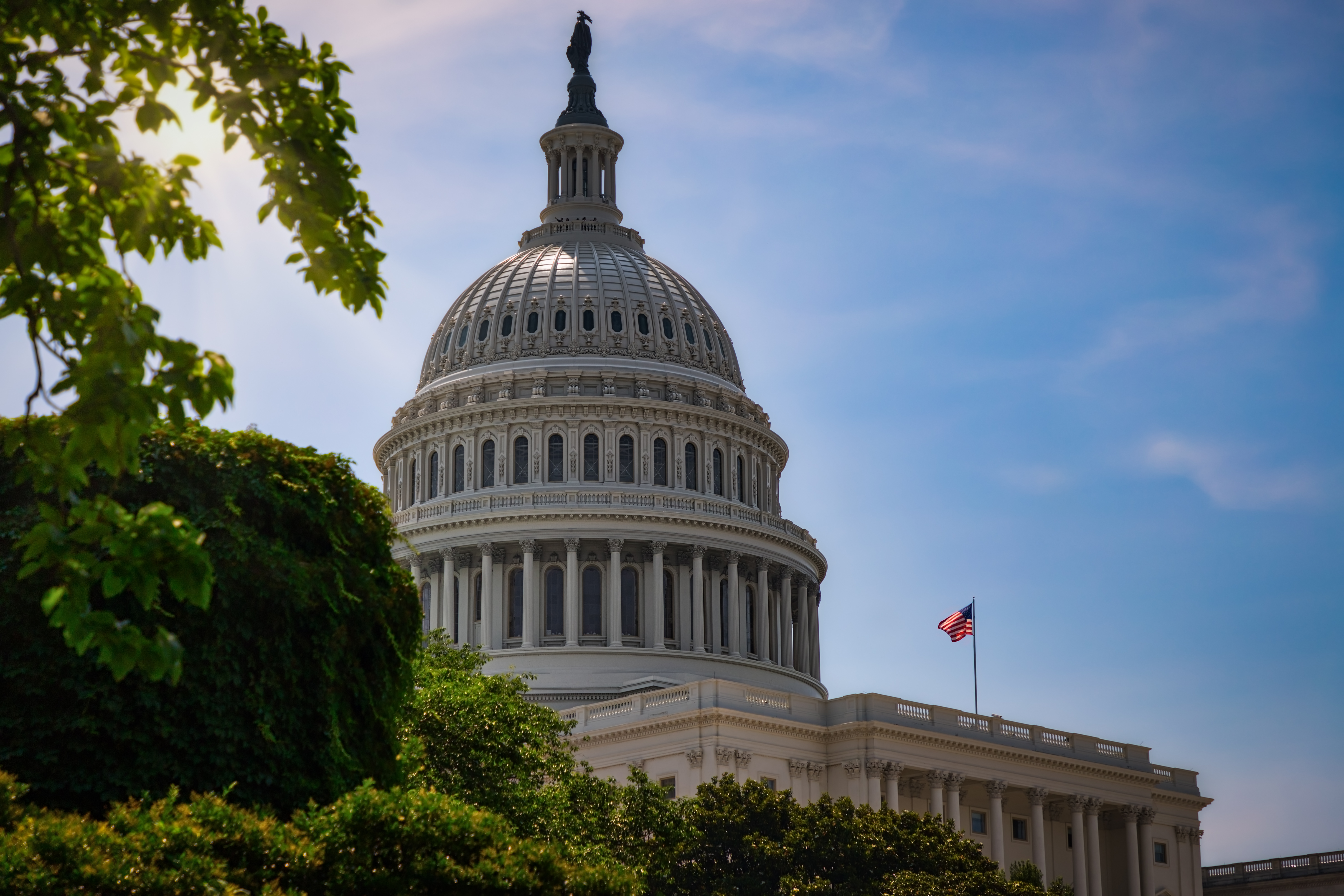
The House Judiciary Committee’s ongoing investigation into the Biden administration’s alleged pressure on tech companies has brought the contentious issue of online censorship to the forefront. Documents obtained by the committee, including a recent letter from Alphabet’s attorney, provide a detailed look into the mechanics of this alleged “censorship-industrial complex.”
The core of the accusation centers on “jawboning,” a term used to describe when a government official or body pressures a private company to take action it could not legally compel. According to the letter from Alphabet’s legal counsel, senior Biden administration officials, including those at the White House, engaged in “repeated and sustained outreach” to the company. The goal of this outreach, the documents state, was to pressure YouTube to remove “non-violative user-generated content” related to the COVID-19 pandemic. The company’s lawyer called this pressure “unacceptable and wrong” and noted that Alphabet “consistently fought against those efforts on First Amendment grounds.”
This is not an isolated incident. Similar testimony has been provided by other major tech figures. Mark Zuckerberg, CEO of Meta (the parent company of Facebook), has also admitted to the House Judiciary Committee that his company faced similar pressure from the Biden administration to make changes related to COVID-19 content moderation. These admissions paint a picture of an administration attempting to influence private platforms to moderate speech, effectively doing indirectly what the government is constitutionally prohibited from doing directly.
The legal dimension of this issue has already reached the nation’s highest court. A lawsuit filed by the states of Missouri and Louisiana against the Biden administration alleged that federal officials violated free speech rights by pressuring social media companies to remove or downgrade certain posts.
While the Supreme Court recently dismissed the case on technical grounds, the underlying debate about the government’s role in influencing online content moderation remains a significant point of contention.
At the heart of the matter is the tension between the need to combat the spread of what officials deem “misinformation” and the fundamental right to free expression. While the Biden administration has argued that its outreach was aimed at mitigating “real world harm” and protecting public health, such actions constitute a dangerous overreach that erodes the constitutional protections of the First Amendment.
The investigation by the House Judiciary Committee seeks to shed further light on these interactions and determine the extent to which the Biden administration’s efforts crossed the line from permissible communication to coercive censorship.