
Former FBI Director Comey pleads “not guilty” to charges
Analysis | By Easton Martin | October 8, 2025
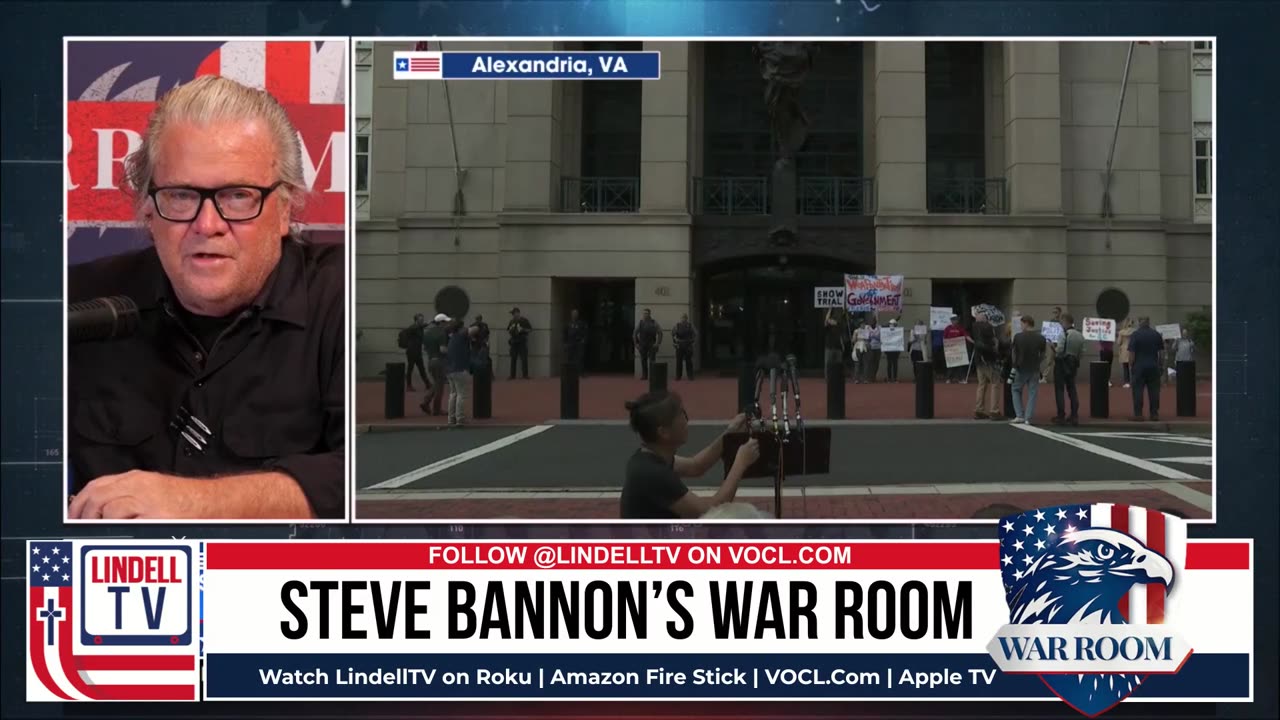
Former FBI Director James Comey appeared in federal court in Alexandria, Virginia, today to face charges of making false statements to Congress and obstructing a congressional proceeding. The indictment, issued on September 25, 2025, stems from Comey’s 2020 testimony before the Senate Judiciary Committee, during which he denied authorizing anonymous leaks to the media regarding the FBI’s investigation into Hillary Clinton’s foundation. The trial is scheduled to begin January 5, 2026.
At the arraignment, Comey, accompanied by his legal team, entered a not guilty plea. His attorney, Patrick Fitzgerald, announced plans to challenge the prosecution on procedural grounds and question the legitimacy of the prosecutor’s appointment, which followed a public statement by President Trump calling for legal action against Comey.
The charges allege that Comey knowingly provided false statements during his testimony, though the indictment does not identify the alleged source or the media outlet involved. This case demonstrates that accountability applies to all officials, no matter how senior. High-ranking government employees must understand that misleading Congress carries real legal consequences, and failing to uphold these standards undermines public trust in federal institutions.
The appointment of the U.S. Attorney overseeing the case, a former personal attorney to President Trump, has raised questions about impartiality, but the courts are expected to examine evidence and procedure above all else. The key question is whether the Justice Department can follow proper legal channels without political interference, a standard every administration should meet.
Holding Comey accountable reinforces the rule of law. It is not about politics; it is about ensuring that senior officials do not operate above the rules they enforce. Congressional testimony is a cornerstone of oversight, and the integrity of that process must be maintained to protect the balance of power between branches of government.
As the proceedings unfold, the case may set an important precedent regarding transparency and honesty for federal officials. Regardless of the outcome, the message is clear: misleading Congress is not a minor lapse; it is a legal matter that can have serious consequences.