

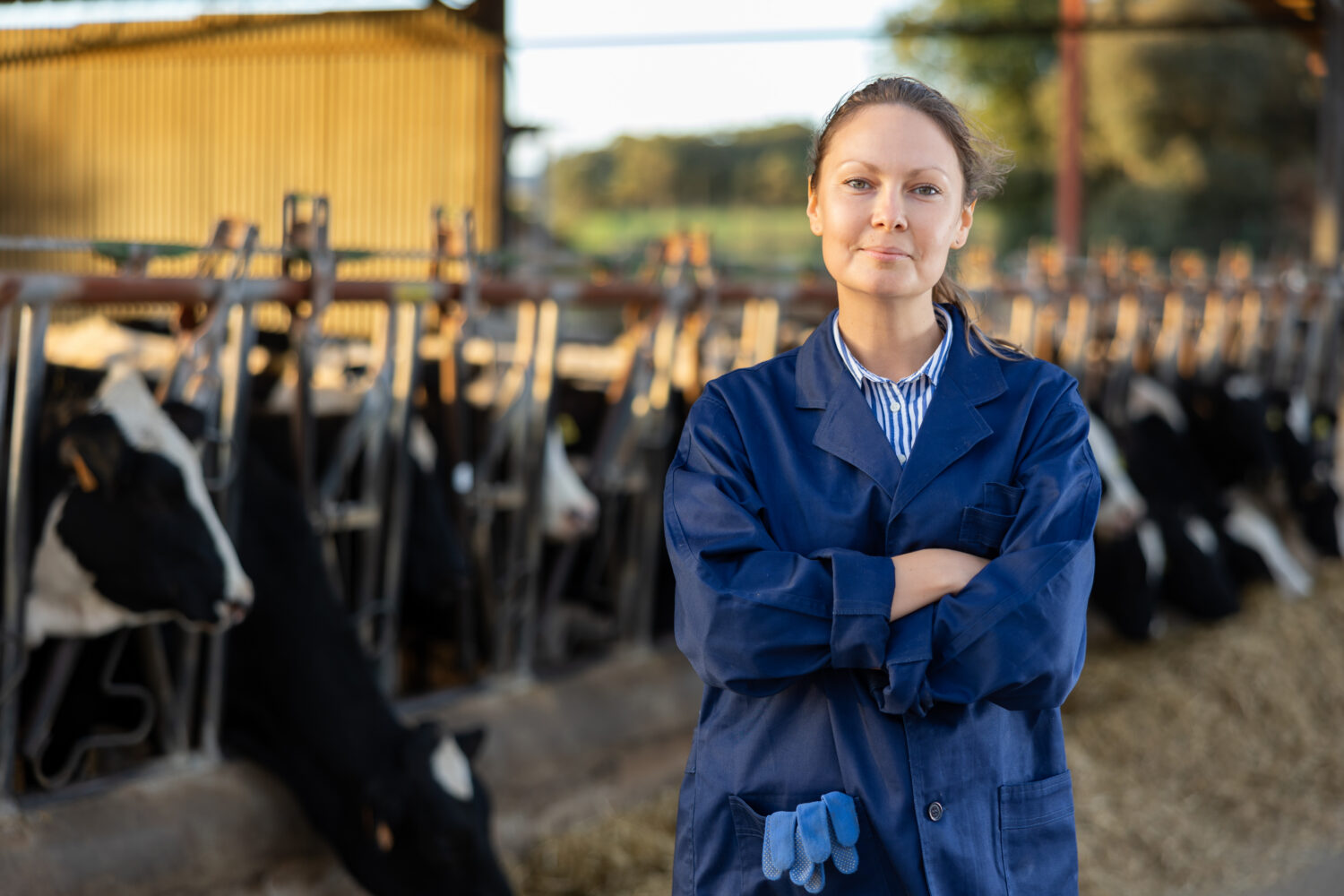
Why is the U.S. cattle herd at its smallest size in seven decades?
Following a deal announced by President Donald Trump aimed at assuaging high beef prices in the U.S., some Americans are likely wondering why domestic cattle herds have shrunk over the years and forced Americans to rely on foreign meat.
Analysis by Summer Lane | August 21, 2026
On Friday, President Donald Trump made headlines after announcing a major deal that will allow 300,000 metric tons of beef to be imported into the United States, with no out-of-quota tariffs, and sold at 25 percent below current market prices.
“This deal will reduce prices for Americans while giving space for our Great American Beef Herd to grow again,” President Trump said.
The tariff-free beef imports will be allowed for the next 90 days – coming to an end after the November midterm elections.
According to data from the Labor Department, the average price of ground chuck, as of July 2026, is $6.98 per pound. One quick glance at the agency’s data and it’s obvious that the price of beef has climbed steadily over the past two decades: in July 2006, the average price per pound for chuck was just $2.46.
Why the continual climb? The U.S. cattle herd has consistently become smaller. As of January 1, the U.S. cattle inventory was just 86.2 million head, which is a decrease of 300,000 from 2025, according to data shared by the American Farm Bureau Federation.
This represents the smallest U.S. cattle herd since 1951.
According to an analysis published on the USDA’s website, cattle inventory is expected to climb through 2034, but low supplies in 2026 are likely to drive prices “to a record high before falling back through 2031 and then starting a new climb through 2034.”
The bottom line? It looks like higher beef prices are here to stay.
What caused the U.S. cattle herd to shrink?
When it comes to ranching cattle in the U.S., rising costs, stringent regulations from government agencies, increased imports, and even cattle-related issues like screwworm have threatened the market and shrunk the herds.
A report from NPR highlighted these facts: the prices of fertilizer, farm equipment, diesel, and other high-cost essentials for keeping livestock have skyrocketed, effectively squeezing domestic farms and smaller ranches.
Another factor to consider is the appearance of the New World Screwworm. Widely reported on, this parasitic bug reemerged at the Southern Border, on the heels of an open-border invasion facilitated by the Biden administration.
Its appearance was enough to spur USDA Secretary Brooke Rollins to halt live animal imports through ports of entry along the Southern U.S. border. This affected Mexican beef imports, about 13 percent of the market.
Further, protracted drought conditions have affected pasture and hay production. According to the Drought Severity Coverage Index, 79 percent of the beef cattle herd across 26 states (representing 88 percent of the 2026 inventory) is impacted by drought conditions this year.
With rising costs, the expanding power of corporate Big Ag, and high prices for diesel, fertilizer, and energy, it’s no wonder American ranchers are struggling to keep the U.S. cattle herd robust and healthy.
Solutions?
It’s unclear if there’s a long-term solution to the high prices of beef. President Trump’s actions this week to lower the price of imports are a short-term fix – good-hearted, no doubt, but this will not assuage the continual price increase for the next several years, as the USDA has projected.
Alex Clark, a high-profile MAHA advocate and political commentator, noted on X that a long-term game plan that could be employed here would be to pass the PRIME Act (legislation that would prioritize local meat processing and sales) and to redirect ag support toward regenerative farming and independent companies (not massive corporations).
Political analyst Tomi Lahren also chimed in on social media, arguing that “mandatory country of origin labeling” should be required for all beef imports. “…Importing a bunch of foreign beef is just a giant gift to the meat packers who then get to undercut our American ranchers who cannot differentiate their product from the cheap foreign sh**,” she claimed. “The American cattlemen is being driven out of business so the land can be gobbled up for data centers and other bullsh**.”
Good Ranchers, a prominent American-sourced beef company, took issue with importing more foreign meat.
“American cattle ranchers have been dealing with years of drought, high feed costs, and a shrinking herd,” the company said in a statement. “The answer to that is not more cheap imported beef with lower standards competing against them on shelves with no country of origin label required to tell you the difference.”
Any potential solution here seems pretty obvious: American cattle ranchers deserve priority. Foreign imports are a band-aid, and it might be needed short-term, but with the amount of money the federal government blows on other areas, it seems like a common-sense solution to invest as heavily as possible in domestic cattle inventory – and make it easy and low-cost for small farms and local processers to seriously compete in the marketplace.
Photo: Adobe Stock




![Washington DC, District of Columbia, United States of America [ US White House, lawn and garden behind the fence, tourist visitors in the street ]](https://lindelltv.com/wp-content/uploads/2026/10/AdobeStock_316724535-1-236x133.jpeg)