

Houthis attack ships in the Red Sea: what does this mean for war with Iran?
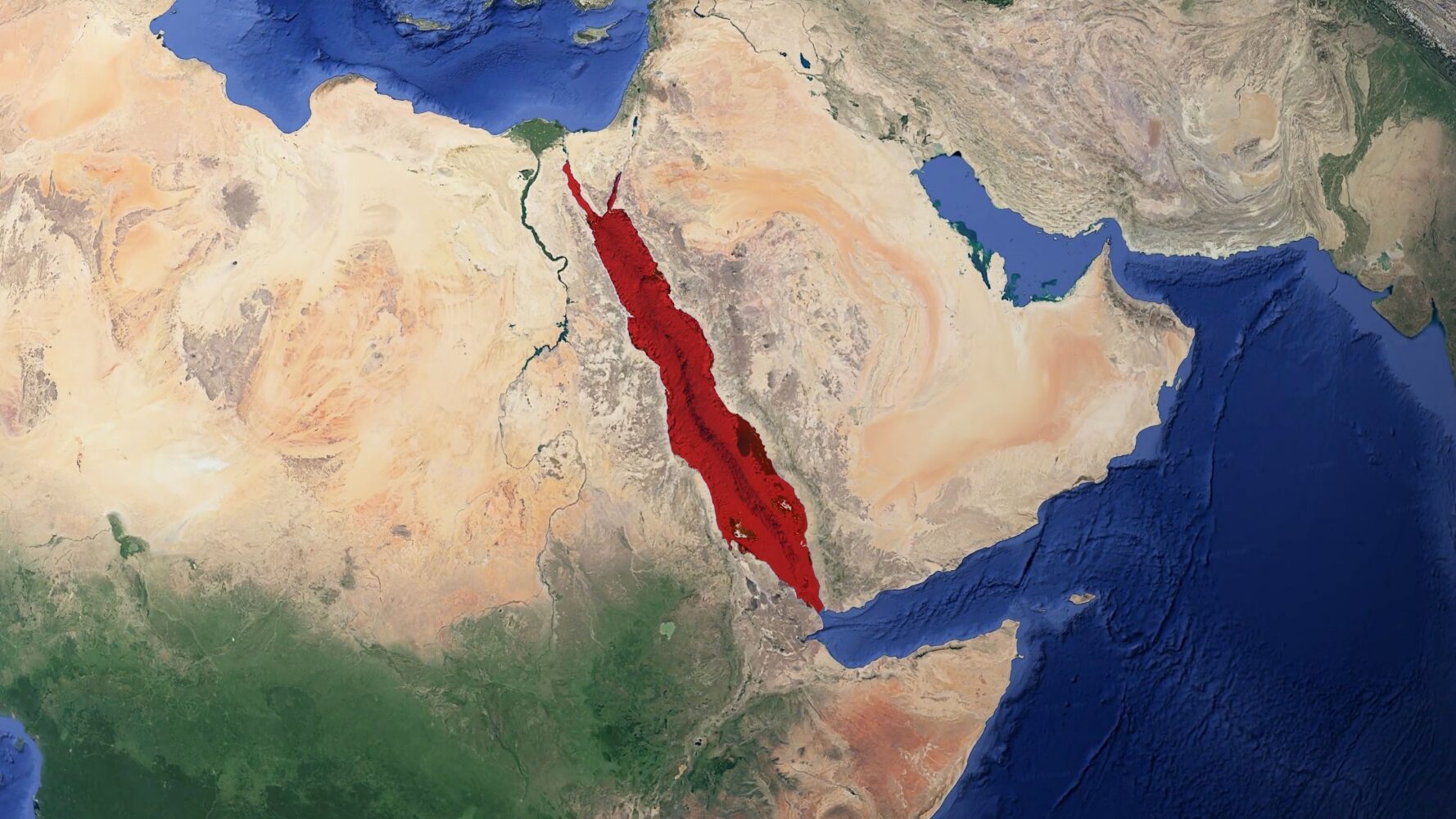
The Iranian-backed militia group, situated on Yemen on the cusp of the Red Sea, took shots at Saudi Arabian ships this week. The move threatens to broaden the scope of the war in the Middle East.
Analysis by Summer Lane | July 24, 2026
On Thursday, President Trump confirmed that the Houthis had fired upon Saudi Arabian ships in the Red Sea, marking the first time that the Iranian-backed militia group had waded into the broader Middle East conflict.
Last year, the U.S. military waged a campaign against the Houthis as retaliation for the group’s attacks on international shipping. The conflict ended with an agreement brokered by Oman.
Since then, the Houthis have remained conspicuously quiet, especially as the United States waged war against Iran in late February – a move that has rocked and rolled the entire world, specifically as it pertains to international shipping and the free flow of energy.
That all changed this week.
“Please let this TRUTH serve to represent that if they do this again, the U.S. will hold Iran responsible, in that the Houthis are a Surrogate and/or Proxy of Iran, and major military punishment will be inflicted upon Iran and, of course, the Houthis, themselves, who I am very disappointed with in that they have, until now, acted very professionally and smart,” President Trump warned in a comment this week.
It’s a well-known fact at this point that the Strait of Hormuz – a key passage for about 20 percent of the world’s oil and gas flow – has been severely threatened by Iran throughout this conflict. The shutdown of the shipping corridor has spiked oil prices and sent markets careening amid the volatility of war.
According to the U.S. Central Command, the U.S. completed its 13th round of consecutive strikes against Iran on Thursday evening. Why? As CENTCOM explained, the objective is “to further diminish the threat Iran poses to civilian mariners and commercial vessels transiting the Strait of Hormuz.”
Opening the Strait of Hormuz is the key sticking point of this entire war. The stymied flow of energy has done considerable damage to the world, and the Iranians know it. What’s worse, the Houthis – backed by Iran – know that the U.S. is heavily involved in one concentrated area of the world, which presents an opportunity for them to shake things up in a bad way.
What better time for them to make things worse by choking off a key shipping route in the Red Sea while U.S. forces are already engaged elsewhere?
The Bab al-Mandeb Strait
Yemen sits along an integral chokepoint into the Red Sea: the Bab al-Mandeb Strait. Saudi Arabia, an ally of the United States, has reportedly made use of its ports in the Red Sea as a workaround to Iranian aggression in the Persian Gulf.
The Houthis’ move to threaten the safety of the Red Sea shipping channel is an extension of Iran’s strategy in the Strait of Hormuz: by simply firing at two Saudi ships, they have instilled fear or hesitation among those wishing to transit the strait.
It’s no surprise that oil has spiked wildly this week amid the yawning abyss of an unknown shipping future in the region.
According to a report from the Joint Maritime Information Center, the Houthis could reportedly be postured to strike further:
“Recent Houthi statements indicated a readiness to target shipping (specifically Saudi-affiliated) if directed. According to regional reporting, Iran has instructed the Houthis to stand ready to close the Red Sea oil route should the United States strike Iranian power infrastructure. Sources close to the group stated that the Houthis have completed preparations to attack shipping, including the deployment of missiles and drones positioned near Bab el-Mandeb.”
While this may be a short-term conflict, the fact remains that the Houthis are threatening to broaden an already difficult conflict in the Middle East. With Iran presumably backing their actions, they feel confident enough to wade into the waters of war.
President Trump’s posture
The Houthis can, at least, cause temporary pain in the Red Sea. Could the U.S. military make short work of the militia group? Most likely. Then again, one would have thought the war with Iran would be over by now, and yet the U.S. is still actively working to secure the Strait of Hormuz.
“Please let this statement serve to represent, until further notice, that from this point forth, any and all damages done to Ships, Cargo, or anything related thereto, will be paid for by Iranian Money that the United States has in its possession, and controls,” President Trump said on Friday. “These damages may be very substantial but, nevertheless, this is the fair and equitable thing to do.”
The president was referring to billions of dollars in frozen Iranian assets held by the United States.
It’s fair to assume that any damage done to ships in the Red Sea, like in the Strait of Hormuz, will be attributed to Iran, as the president noted in his Thursday statement, in which he recognized the Houthis as an Iranian proxy.
Secretary of State Marco Rubio addressed the Houthi threat this week noting, “I hope that they stop. They shouldn’t really do that. They got suckered into this by the Iranians. You know, the Houthis largely were smart and stayed out of all of this throughout the conflict. They now, apparently, have gotten themselves suckered into this by going after Saudi Arabia and their ships.”
He said he hoped that the Houthis would stop attacking ships, noting that “it’s not a positive development; we’ll see what happens.”
The Trump administration’s posture is clearly one bent toward de-escalating the Houthi threat as soon as possible.
What does this mean for the war in Iran?
At the end of the day, the Houthis’ actions in the Red Sea – whether it’s a one-time occurrence or not – demonstrate a protraction of the size of the war with Iran. It also demonstrates that Iran, over the decades, has had a lot of time to think about their war strategy against the United States, and they are digging in hard.
What’s the best answer for the world? An immediate return to the status quo, of course, but that is unlikely. If the U.S. were to pull out of the conflict, it would stop the war immediately, but the Strait of Hormuz – and possibly the Red Sea – would be forever changed.
Perhaps it already is.
Photo: Adobe Stock