

How a Lobster perfectly illustrates the problem with Virginia’s proposed redistricting
By Easton Martin | April 21, 2026
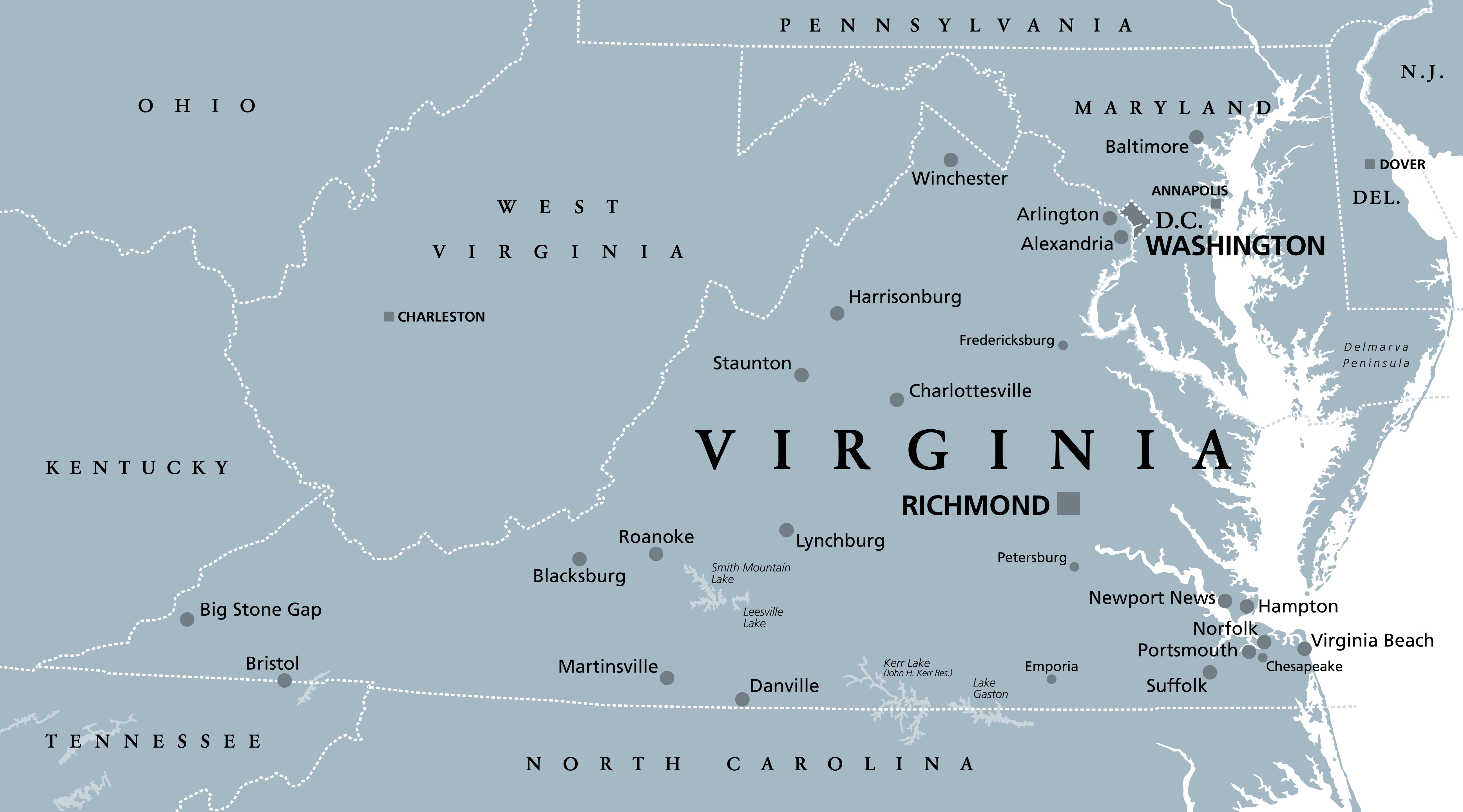
The redrawing of Virginia’s congressional districts threatens to undermine the fundamental principle of fair representation for those living outside the major urban hubs. One newly established district reaches from the dense suburbs of the D.C. metro area all the way to the rugged terrain of the George Washington and Jefferson National Forest.
The district has already garnered a distinct nickname, “the Lobster”, due to its bizarre, gerrymandered shape.
This geographical arrangement places a farmer in the rural vicinity of Staunton into a political environment dominated by an urban privileged liberal. Such a representative will likely remain entirely out of touch with the specific needs and daily struggles of the people residing in the western part of the state.
It is difficult to imagine how a single individual could successfully advocate for two populations with such fundamentally different ways of life. The priorities of a city dweller often conflict directly with the agricultural and land-use concerns of a person living in the country. A representative forced to choose between these two groups will inevitably focus on the larger urban population to the detriment of the rural minority.
True governance depends on a politician having a deep and consistent connection to the specific community they are chosen to serve. The proposed map, (pending today’s vote), would effectively silence the rural voice by submerging it within a district controlled by distant urban interests. This failure to maintain cohesive communities of interest results in a system where those in the countryside are left without any meaningful way to protect their heritage or their livelihood.