
IRS moves to allow pastors to endorse candidates without risking tax status
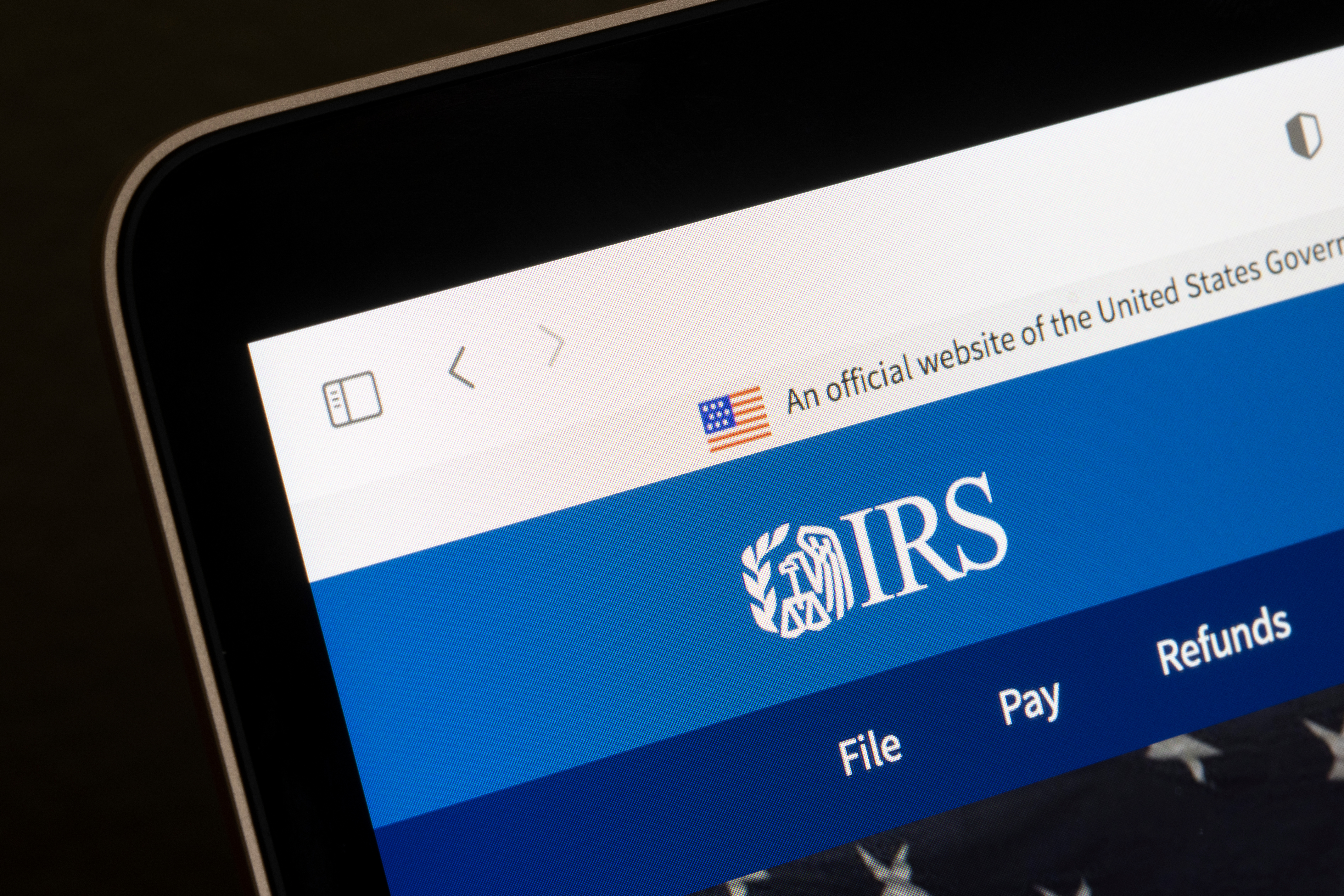
The Internal Revenue Service has filed a joint motion with the National Religious Broadcasters Association and two Texas churches in the U.S. District Court for the Eastern District of Texas seeking a consent judgment over the enforcement of the Johnson Amendment. The amendment, enacted in 1954, prohibits 501(c)(3) organizations, including churches, from endorsing or opposing political candidates.
Under the proposed agreement, the IRS would interpret political endorsements made by clergy during religious services and communicated through their usual channels as internal spiritual discourse, not campaign intervention.
Specifically, candidate endorsements delivered in the pulpit to congregations would be treated “like a family discussion concerning candidates,” and thus would not jeopardize tax‑exempt status.
The lawsuit, originally filed in August 2024, challenged the Johnson Amendment on constitutional grounds, including First Amendment protections for free speech and free exercise of religion.
The IRS filing states that this interpretation aligns with its long-standing practice of not enforcing the amendment against houses of worship for election-related speech during worship services.
The Johnson Amendment has been part of the Internal Revenue Code since July 1954, introduced by then‑Senator Lyndon B. Johnson. The IRS has rarely acted on pulpit endorsements over the decades, but this new filing seeks a formal legal resolution to that informal practice.
In 2017, President Donald Trump issued an executive order directing the Treasury Department to scale back enforcement, though the amendment remained intact under law.
If approved by a federal judge, the consent judgment would establish a formal carve‑out for religious institutions speaking to members during worship services. This approach does not repeal the Johnson Amendment itself, but reinterprets it in a way that preserves the tax‑exempt status of churches making endorsements in the context of worship.
The outcome may serve as a precedent for how religious speech is treated by the IRS moving forward.



![Washington DC, District of Columbia, United States of America [ US White House, lawn and garden behind the fence, tourist visitors in the street ]](https://lindelltv.com/wp-content/uploads/2026/10/AdobeStock_316724535-1-236x133.jpeg)