
The election integrity fight over mail-in ballots
By Easton Martin | August 25, 2026
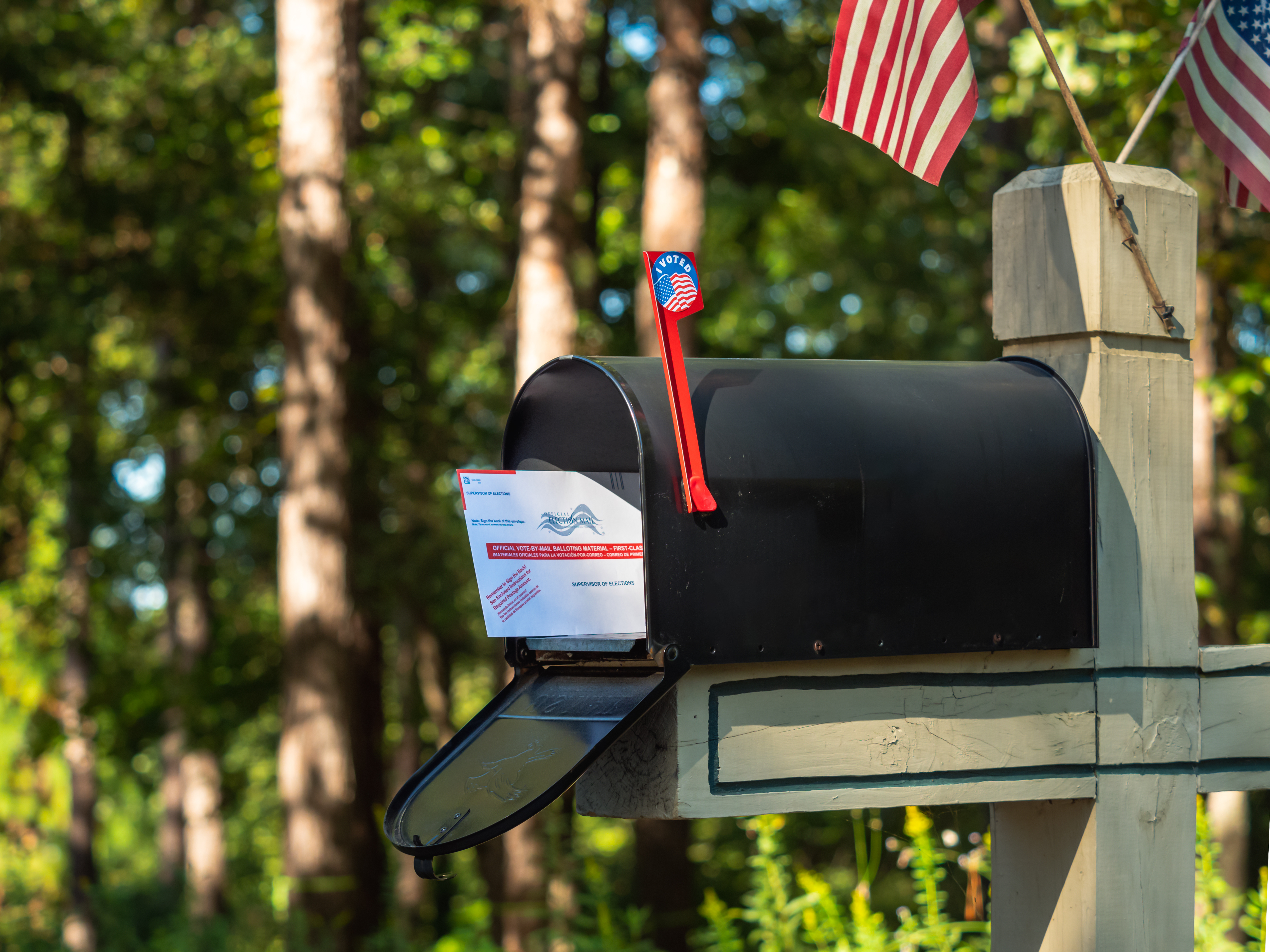
The fight over mail-in voting has returned to the center of American politics after the Supreme Court cleared the way for parts of President Trump’s proposed restrictions to move forward ahead of the 2026 midterm elections. The dispute is not simply about whether Americans should be allowed to vote by mail, but about how mail ballots are verified, tracked and delivered before they are counted.
President Trump’s executive order calls for greater federal involvement in the administration of mail-in elections. Among other provisions, it seeks to establish systems for identifying voters who are eligible to receive mail ballots and requires greater coordination between states and the U.S. Postal Service. The administration argues that these measures are designed to strengthen election security and prevent ballots from being sent to people who are not legally entitled to receive them.
The Supreme Court ruled 6-3 on August 24 that Democratic-led states had moved too early in challenging the order because they could not yet establish sufficient legal standing. The decision did not definitively rule that every part of Trump’s order is constitutional and another injunction remains in place over portions of the administration’s plan.
Democratic officials have strongly opposed the changes because Democrats rely heavily on mail voting in many states. Pennsylvania alone saw nearly two million mail ballots cast during the 2024 general election. Democratic officials argue that imposing new requirements shortly before an election could create confusion and potentially prevent legitimate voters from having their ballots delivered or counted.
That concern may not be entirely without practical merit, particularly because election officials have limited time to adjust procedures before the midterms. At the same time, concerns about implementation should not be confused with the underlying question of whether election officials should have stronger safeguards for mail ballots.
The administration’s proposed changes are intended to make the process more controlled by requiring states to provide information about voters receiving mail ballots and by introducing tracking mechanisms for ballot envelopes. The Postal Service has already issued a 95-page rule outlining some of these requirements, although portions remain tied up in litigation.