
Is MAHA alive? The Farm bill will be the ultimate test
By Easton Martin | April 28, 2026
The current battle over the 2026 Farm Bill is becoming a defining moment for the Make America Healthy Again (MAHA) movement. Representative Anna Paulina Luna has taken a stand against three specific provisions that, if passed, would grant unprecedented legal immunity to the world’s most powerful chemical companies.
Sections 10205, 10206, and 10207 of H.R. 7567 represent a massive giveaway to “Big Chemical”, stripping away the rights of families and local communities; these provisions exist to prioritize corporate profits.
Section 10205 is the most controversial of the trio. This provision effectively creates a federal liability shield for pesticide manufacturers. It states that as long as a product label is approved by the EPA, companies cannot be sued in state courts for “failure to warn” about health risks.
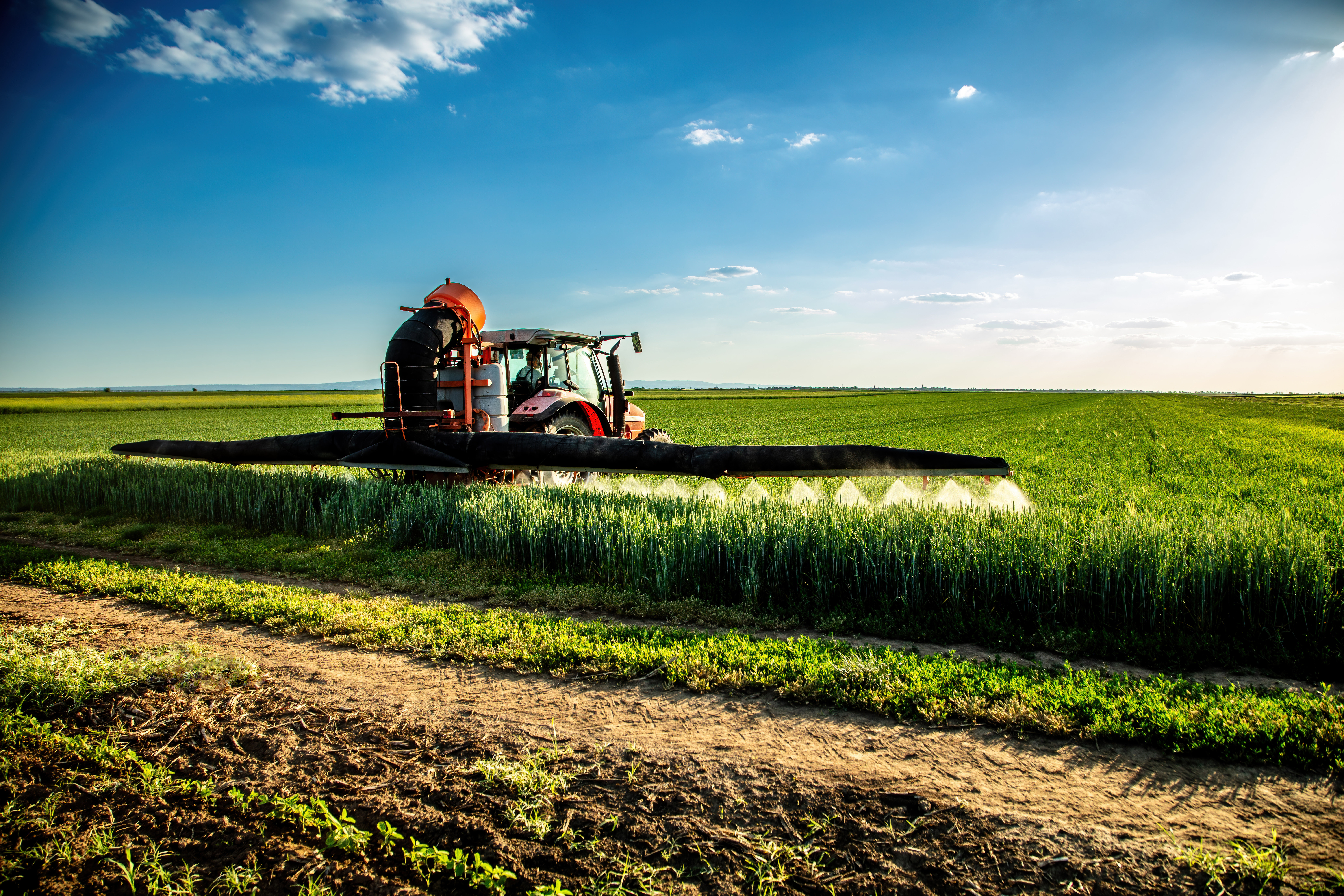
This is a direct lifeline for companies like Bayer (which bought Monsanto) and Syngenta. These corporations are currently facing thousands of lawsuits from farmers and families who claim that products like Roundup and Paraquat caused serious illnesses, including cancer and Parkinson’s disease. Section 10205 would silence victims and prevent the court system from holding these companies accountable when their products cause harm.
While Section 10205 protects the companies in court, Section 10206 protects them from the people at the local level. This provision preempts the authority of state and local governments to regulate pesticides more strictly than the federal government.
For decades, local communities have used their right to restrict the use of certain chemicals in public parks, near schools, or in residential areas. Section 10206 would end that. It forces a “one size fits all” approach dictated by federal bureaucrats, many of whom have close ties to the very industries they are supposed to oversee. It is an affront to the principle of local control and a gift to the lobbyists who want a clear path to sell their chemicals everywhere without resistance.
The final piece of this corporate-friendly puzzle is Section 10207. This provision exempts pesticides from the standard environmental reviews required by landmark laws like the Clean Water Act and the Endangered Species Act.
Under this section, the application of toxic chemicals would no longer need to be checked for its impact on local waterways or threatened ecosystems. It creates a regulatory vacuum where the environmental consequences of mass chemical use are simply ignored. For a movement focused on restoring the health of our land and water, this is a dangerous step backward.
The MAHA movement is built on a simple premise: we must fix our food system and reduce the toxic burden on our families. The 2026 Farm Bill, in its current form, does the exact opposite. It protects foreign-owned entities, like the Chinese state-owned Syngenta, and multinational giants like Bayer, while leaving American citizens with no legal recourse.



![Washington DC, District of Columbia, United States of America [ US White House, lawn and garden behind the fence, tourist visitors in the street ]](https://lindelltv.com/wp-content/uploads/2026/10/AdobeStock_316724535-1-236x133.jpeg)