
Memorial Day: more than hot dogs and discounts, it’s about sacrifice and blood
The sacrifice of men and women who have been willing to do hard things to preserve the right to life, liberty, and the pursuit of happiness, should always be Americans’ main focus
Opinion-editorial by Summer Lane | May 22, 2026
Memorial Day in 2026 is a cacophony of high-profile online sales events, backyard barbecues, and camping trips with the family. These are all great things – hallmarks of a free society, even – but in our rush and frantic pace of life, it’s easy to lose sight of what Memorial Day is really about: the sacrifice of the American soldier and the bloody price of freedom.
Rooted deeply in our nation’s history, the holiday was originally known as “Decoration Day” and rose to prominence in the wake of the horrific American Civil War, which claimed the lives of over half a million people.
According to the VA, Memorial Day was recognized in the late 1860s by the “Grand Army of the Republic,” an organization of Union veterans, and by 1890, the day was recognized by all other states in the Union.
Memorial Day was significantly highlighted following World War I and World War II in the 20th century, and in 1966, Congress passed a law designating Memorial Day as an official holiday, first on May 30, and then, later, permanently moved to the final Monday of every May.
The price is steep
American freedom has been expensive. From the birth of the American colonies, the starving times of those early settlers, skirmishes with both natives and diseases, and the blood spilled during the American War for Independence, one thing is clear: freedom is not free, and it must be constantly kept.
Thousands have died for that paradisiacal idea of freedom – the ability to live one’s life as God intended, to have the right to life, liberty, and the pursuit of happiness as the Founding Fathers envisioned.
Just this year, the U.S. Defense Casualty Analysis System has confirmed the deaths of 14 U.S. Servicemembers and the injuries of over 400 more amid the war with Iran. This reality is all-too present and all-too-chilling.
“The tree of liberty must be refreshed from time to time with the blood of patriots and tyrants,” said Thomas Jefferson in 1787. “It is its natural manure.”
His observation is sound: there can be no freedom without those who are willing to make sacrifices, and this often means that pain, death, and suffering are sad but natural side effects of what it means to remain free – a cycle that affects both patriots and the tyrants who seek to suppress them.
Keeping Memorial Day sacred
When you enjoy a Memorial Day sales discount or roast up a hamburger in the comfort of your safe and secure backyard, don’t forget the men and women who came before, who died too young, to secure this present reality.
While it is true that the American dream is under duress, there is still much to be thankful for. Americans are generally much safer and much more comfortable than many other residents of other third-world countries, and for that, we can thank the strong men who are willing to do the hard things when situations seem impossible.
Black Rifle Coffee creator Mat Best noted on X, “Memorial Day isn’t just a long weekend. Behind every folded flag is a name, a story, and a sacrifice that built the freedom we live in every day.”
Perhaps Henry Wadsworth Longfellow’s poem, Decoration Day, sums up the sentiment best:
Sleep, comrades, sleep and rest
On this Field of the Grounded Arms,
Where foes no more molest,
Nor sentry’s shot alarms!
Ye have slept on the ground before,
And started to your feet
At the cannon’s sudden roar,
Or the drum’s redoubling beat.
But in this camp of Death
No sound your slumber breaks;
Here is no fevered breath,
No wound that bleeds and aches.
All is repose and peace,
Untrampled lies the sod;
The shouts of battle cease,
It is the Truce of God!
Rest, comrades, rest and sleep!
The thoughts of men shall be
As sentinels to keep
Your rest from danger free.
Your silent tents of green
We deck with fragrant flowers;
Yours has the suffering been,
The memory shall be ours.
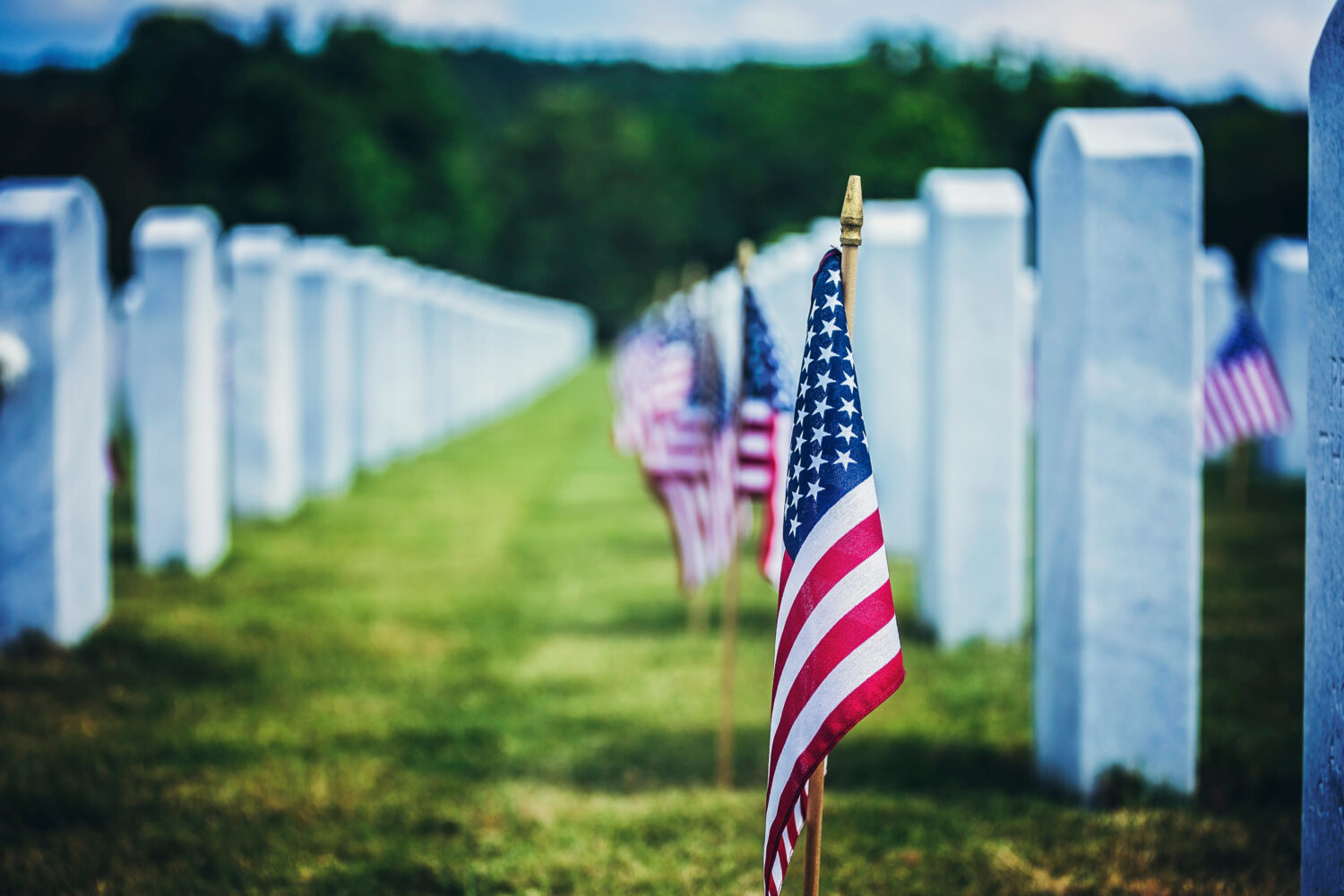
Photo: Adobe Stock