OPINION: Mamdani’s grocery store plan is not the economic fix everyone thinks it is
NYC Mayor Zohran Mamdani has unveiled his administration’s plan to offer 30 percent discounts on pantry items across five city-run grocery stores. The concept is rooted in socialism and is not compatible with a free market.
Opinion-editorial by Summer Lane | July 27, 2026
In 2025, then-NYC mayoral candidate Zohran Mamdani pitched the idea of city-owned grocery stores to New Yorkers who were fed up with rising food prices.
Mamdani, a Democratic Socialist who went on to win the NYC mayor’s race in a veritable landslide, has championed things like universal daycare and flat rent cancellation – attractive ideas that sound nice, in theory, but have no practical application in a free market society.
This week, Mayor Mamdani unveiled a new plan for the city, in which five city-run grocery stores will offer a 30 percent discount on key pantry staples, according to his office.
“The basket will include all fresh produce, meat and seafood, along with roughly 20 additional categories of pantry staples, dairy and refrigerated goods,” the mayor’s office stated.
It continued, “The discount will apply to all regardless of income, with prices locked in and predictable rather than fluctuating week to week as is the case at private grocers. Combined, the savings are projected to cut New Yorkers’ average grocery bill by 15 percent, about $90 a month, or roughly $1,000 a year.”
How is such a discount possible? Thank a New York taxpayer for bankrolling the whopping $70 million in the capital budget allocated to launching these stores.
In other words, the discounted grocery stores will be subsidized by working Americans.
City or government-run grocery stores: a red flag
During the iron-fisted regime of the Soviet Union’s infamous Joseph Stalin, food allocation was tightly controlled through a hierarchy of consumption.
High-ranking Soviet Union officials and elites enjoyed the best food, of course.
The lower on the totem pole you were during this time, the less food you were granted in your diet. Through forced collectivization, the USSR seized control of virtually all food sources and then decided, based on station, who got to eat what, and how much.
According to research by Nicolas Werth for the East/West Journal of Ukrainian Studies, upon a whopping 40 million ration cards distributed in 1932, authorities axed “superfluous people” from their rationing system. This included dependent family members and children, along with the “lowest categories” of society.
Therein lies the danger of letting any government entity, no matter how big or small, control food sources. It may seem harmless at first, but eventually, the little guy begins to lose out in a very big way.
Nothing is really free
Like any government program, Mamdani’s grocery store network is hardly free. It’s funded by taxpayers. The first of his city-owned grocery stores, according to the mayor’s office, will open by the end of 2027 at Hunts Point in the Bronx.
What good do slashed grocery prices do when taxes are only going up? Just this spring, New York passed a new tax, for example, on nonprimary residences valued at $1 million or more, CNBC reported. The tax is expected to generate hundreds of millions of dollars in city revenue.
Mamdani’s agenda is being paid for by someone.
The concept of these discounted grocery stores is little more than a hat trick. Not only is it a bad idea to acclimate people to the idea of government-run grocery stores (as demonstrated in the aforementioned tyranny of the Soviet Union), it’s simply dishonest.
Mamdani’s core political policies are centered on socialist principles – taking from others to redistribute the wealth. This does not work in a free market society. Lower-income New Yorkers may snag a few pantry items at lower prices, but it seems unlikely that middle-class citizens will see any real relief in their wallets.
It also poses a problem for small businesses who are already struggling to maintain their profit margins amid a roiling economic climate. “[Mamdani] will compete directly with the bodegas and supermarkets where they have been established for many years,” said Francisco Marte, the founder of the Bodega and Small Business Group, per Gothamist.
The city-owned grocery stores threaten the stability of these smaller shops and will disrupt the flow of business. What a tragedy it would be to see a family-owned bodega close up shop because a city-subsidized grocery store rolled into the neighborhood.
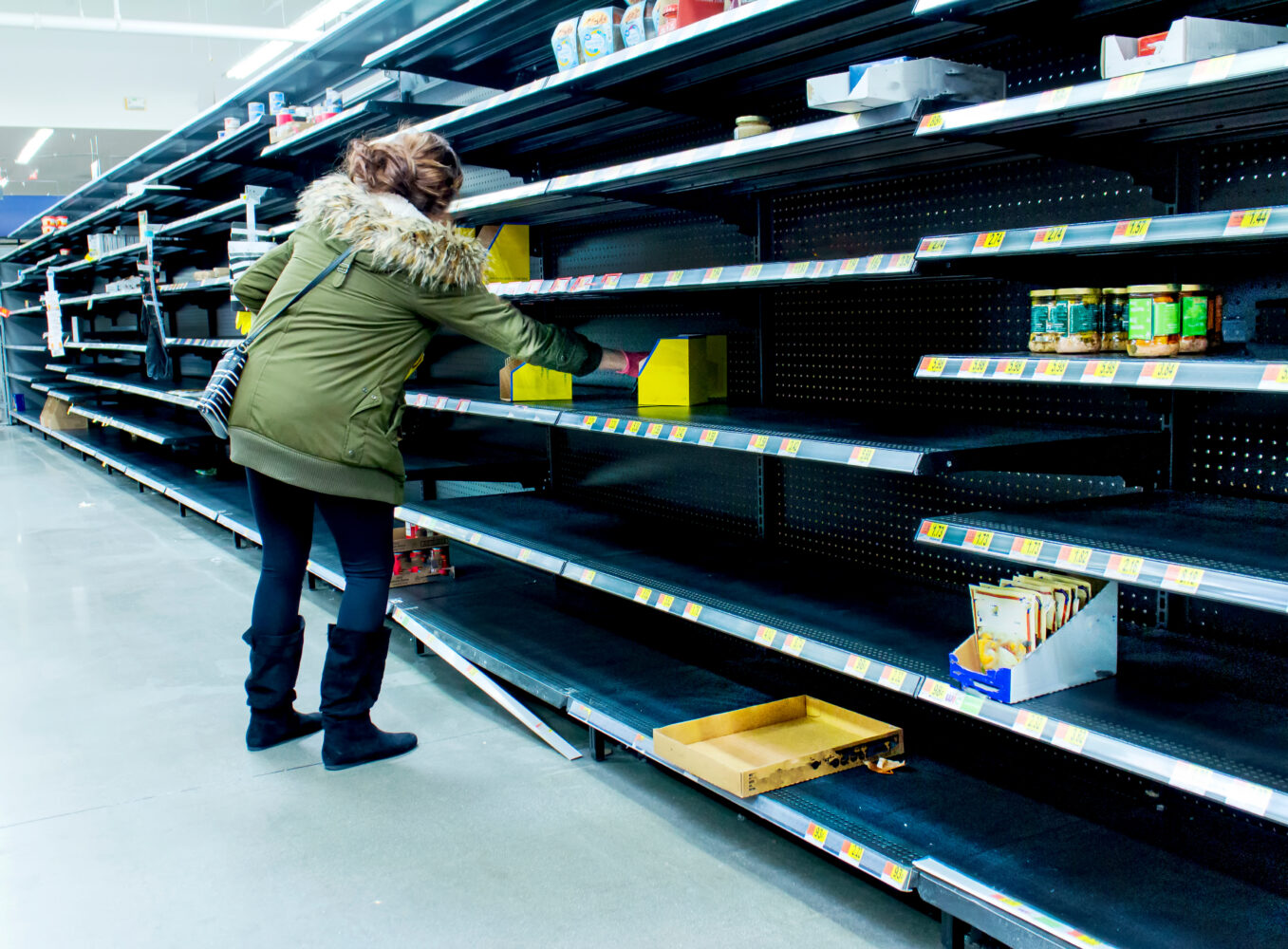
Mamdani’s plan may sound exciting on the news and in quick social media clips, but the consequences of letting the government control a grocery store are myriad. The NYC grocery plan is like putting a band-aid on a mortal wound. It simply won’t solve the problem.
Photo: Adobe Stock