
Pentagon scores a win with D.C. Court of Appeals decision on journalist policy
The Pentagon had implemented a policy requiring journalists to have an escort while on-site. The D.C. Circuit Court of Appeals granted an emergency motion for a stay.
by Summer Lane | July 17, 2026
Secretary of War Pete Hegseth and the War Department scored a victory this week at the D.C. Circuit Court of Appeals in a decision allowing the Pentagon to continue enforcing a policy requiring journalists to be escorted while on-site.
“The Department of War welcomes the D.C. Circuit Court of Appeals’ decision granting our emergency motion for a stay – a big win for protecting national security,” said Pentagon Spokesman Sean Parnell in a statement on Friday.
He continued, “The Court found that we are likely to succeed on the merits of our argument, so our policy remains in effect while the case moves forward on an expedited schedule. This escort policy is a common-sense security measure designed to protect classified national defense information.”
Parnell said that since implementing the journalist escort policy, “the Department has seen a meaningful reduction in unauthorized disclosures that previously occurred with alarming frequency and put American lives, service members, and our allies at risk.”
He said that the policy was not about limiting journalism, but rather about “safeguarding the classified information that protects this nation.”
In the order, the court document noted:
“Appellees have not argued that the escort requirement is not, in fact, generally applicable and applied across the board to all reporters. Nor have they argued that the policy is not being implemented evenhandedly. Neither have they contended that the policy has a distinctively adverse impact on them or their news reporting ability that is different from the policy’s effect on all other covered reporters. In addition, neither Appellees nor the dissenting opinion cite a single case supporting their conclusion that this neutrally and evenhandedly applied, generally applicable policy with no demonstrated distinctive harmful impact on Appellees can, without more, constitute retaliation under the First Amendment.”
Just last week, Department of War Secretary Pete Hegseth took further steps to tighten media access in the Pentagon by announcing a brand-new joint task force comprised of the DOW and the Department of Justice aimed at identifying and prosecuting leakers.
“The security of our nation cannot be a bargaining chip for those that seek momentary headlines,” Hegseth stated. “Access to confidential and secret information is a sacred trust, and those who betray that trust will be met with the full force of the law.”
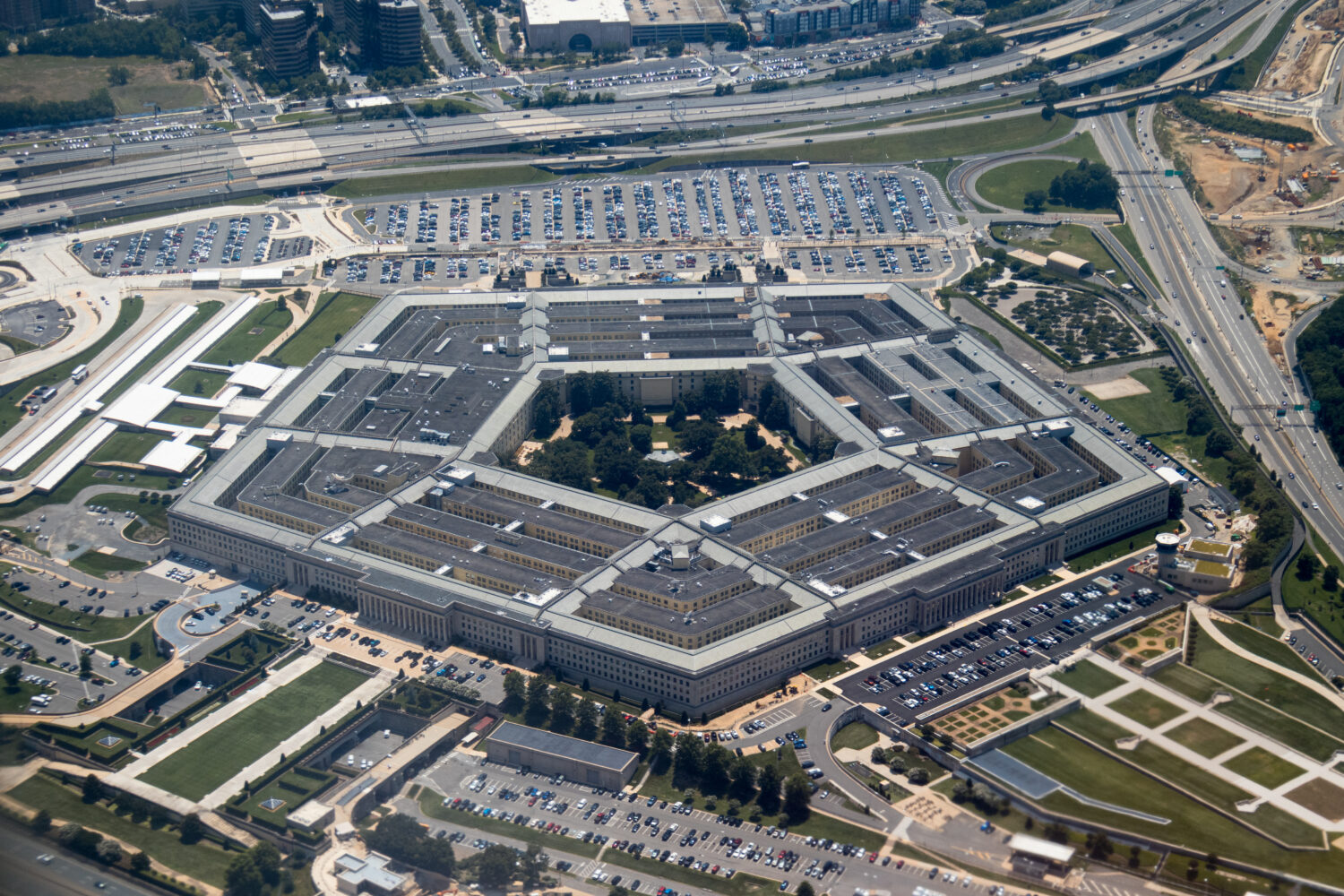
Photo: Adobe Stock