
Why does Minnesota have such a large Somali population?
By Easton Martin | December 31, 2025
Minnesota is home to the largest Somali population in the United States, a fact which has come into the spotlight recently given the uncovering of mass fraud within the community. When did all of these Somalis come into the U.S., and why?
The movement began in the early 1990s, following the collapse of Somalia’s central government in 1991. The fall of President Siad Barre triggered a prolonged civil war, marked by clan violence, famine, and the breakdown of basic infrastructure. As conditions deteriorated, hundreds of thousands of Somalis fled to refugee camps in neighboring countries, particularly Kenya and Ethiopia. From there, many were resettled in Western nations through United Nations refugee programs, including the United States.
Minnesota became a primary destination largely by circumstance rather than design. Early Somali refugees were placed in the state through federal resettlement agencies that already had a strong presence there, such as Lutheran Social Service and Catholic Charities. These organizations had experience resettling Southeast Asian refugees after the Vietnam War and were equipped to provide housing, employment assistance, and language services.
Once an initial community was established, chain migration followed. Somalis already living in Minnesota encouraged relatives and friends to join them, citing available jobs, a relatively low cost of living at the time, and access to social services. Minneapolis and St. Paul also offered employment in manufacturing, food processing, transportation, and later healthcare and logistics, industries that often did not require advanced English proficiency to enter.
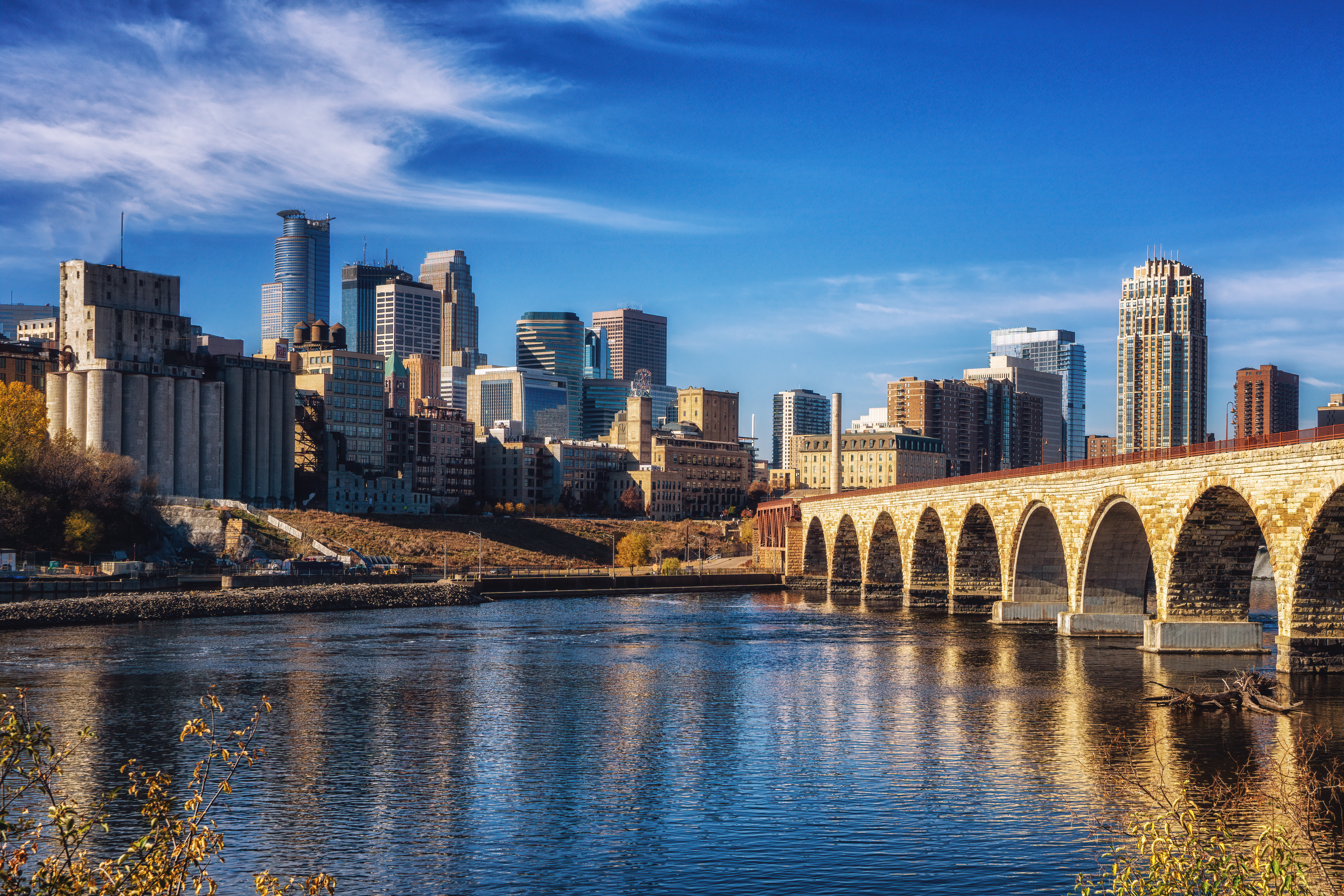
By the late 1990s and early 2000s, Minnesota had become a national hub for Somali Americans. The Cedar Riverside neighborhood in Minneapolis emerged as a cultural center, with mosques, businesses, and community organizations supporting new arrivals. Subsequent waves of migration included not only refugees but also secondary migrants moving from other U.S. states.