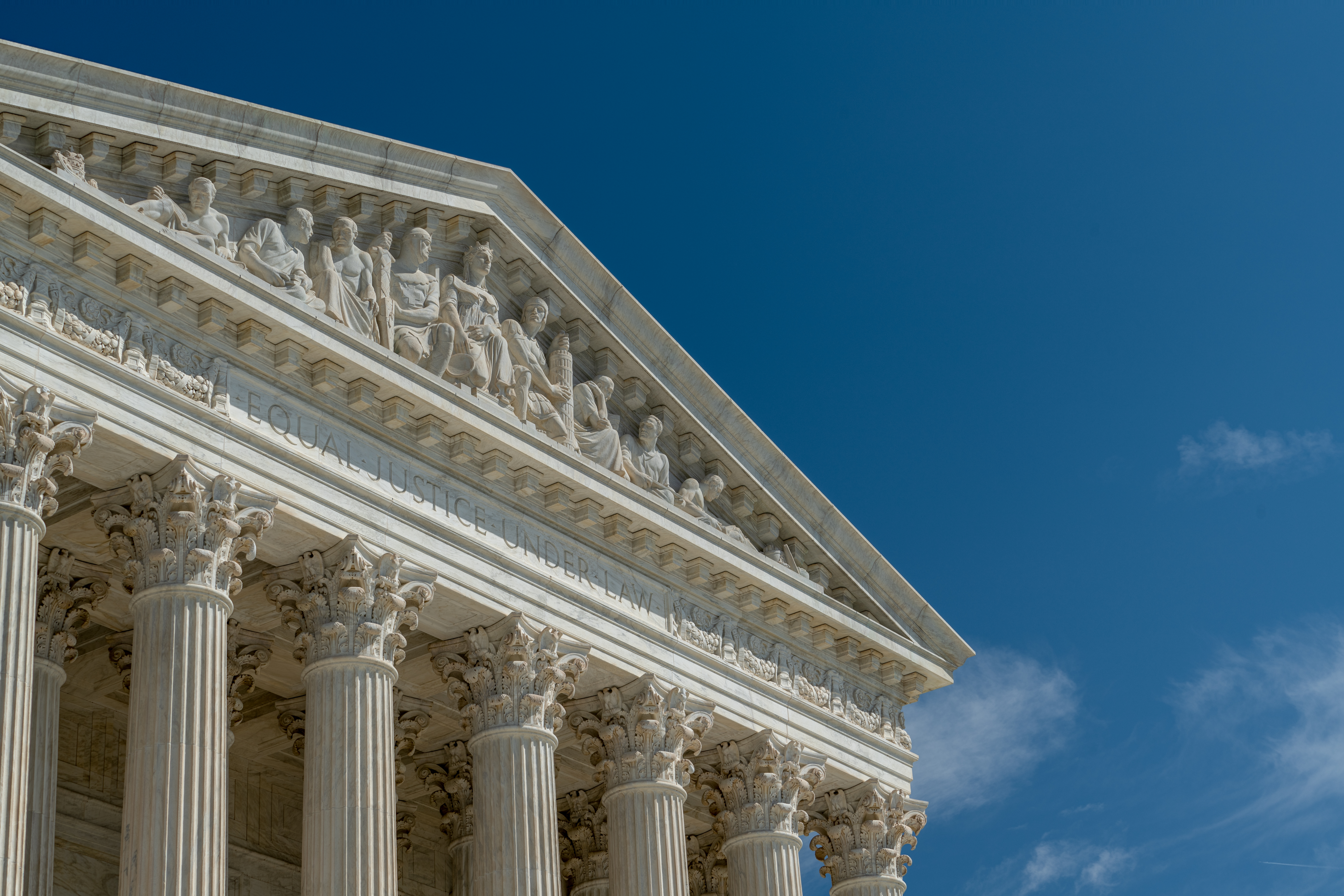
Supreme Court takes up important religious liberty case
Analysis | By Easton Martin | October 8, 2025
As the Supreme Court takes up Chiles v. Salazar, the case challenging Colorado’s 2019 ban on “conversion therapy” for minors, the outcome will have major implications for free speech and religious liberty. The law prohibits licensed counselors from any effort to “change” a youth’s sexual orientation or gender identity. Christian counselor Kaley Chiles argues that this forces her to withhold speech that reflects her faith and professional judgment.
At issue is whether the state can dictate what a counselor may or may not say about gender or sexuality. The First Amendment protects both belief and expression. When the government restricts speech based on viewpoint, it is not protecting children, but controlling ideas.
Colorado defends the law by claiming it regulates conduct, not speech, and that the therapy is harmful. But counseling is primarily verbal. It involves conversation, reflection, and moral reasoning. The law does not restrict harmful methods; it restricts words and beliefs that conflict with current cultural opinions.
This case is not just about one counselor in Colorado. It is about whether professionals who hold traditional Christian views can continue to serve without state interference. If the Court upholds the law, it will set a precedent allowing governments to suppress religiously informed speech in other fields as well.
The Supreme Court should reject Colorado’s attempt to police speech in the counseling room. The Constitution does not permit the state to favor one moral perspective over another or to silence faith-based viewpoints under the label of “harm reduction.” The ruling will determine whether freedom of conscience remains protected when that conscience challenges modern ideology.