
Supreme Court set to consider whether to hear challenge to same-sex marriage
A decade after the Supreme Court established a constitutional right to same-sex marriage, it will decide whether to consider hearing challenges to its own legal precedent
by Summer Lane | October 24, 2025
The U.S. Supreme Court has officially set a date to consider whether it will hear a challenge to same-sex marriage – a constitutional right established by the very same court just ten years ago in the highly publicized Obergefell v. Hodges case.
According to SCOTUSblog, the court will consider the challenge on November 7.
The legal challenge is linked to a Kentucky county clerk named Kim Davis, who, after SCOTUS established the constitutional right to same-sex marriage, refused to offer a marriage license to a gay couple due to her religious beliefs:
“Moore and Ermold filed a lawsuit against Davis, alleging that she had violated their constitutional right to marry. In a separate case regarding her refusal to issue any marriage licenses, U.S. District Judge David Bunning ordered Davis to issue the licenses to both gay and straight couples. But when Moore and Ermold returned to the Rowan County Clerk’s office, seeking a marriage license in light of Bunning’s order, Davis and her deputies once more refused to issue them one.”
According to ABC, Davis was jailed for six days in 2015 for her refusal to issue the marriage license.
This case was eventually taken to the 6th Circuit Court of Appeals, which ruled that Davis’s First Amendment rights were protected as a private citizen, but essentially, not as a government employee, the outlet reported.
Davis’s move to ask the Supreme Court to review the court of appeals’ decision additionally requests that they reassess its ruling in Obergefell v. Hodges.
“If ever a case deserved review, the first individual who was thrown in jail post-Obergefell for seeking accommodation for her religious beliefs should be it,” Davis’s filing reads.
It goes on to ask this question: “Whether Obergefell v. Hodges, 576 U.S. 644 (2015), and the legal fiction of substantive due process, should be overturned.”
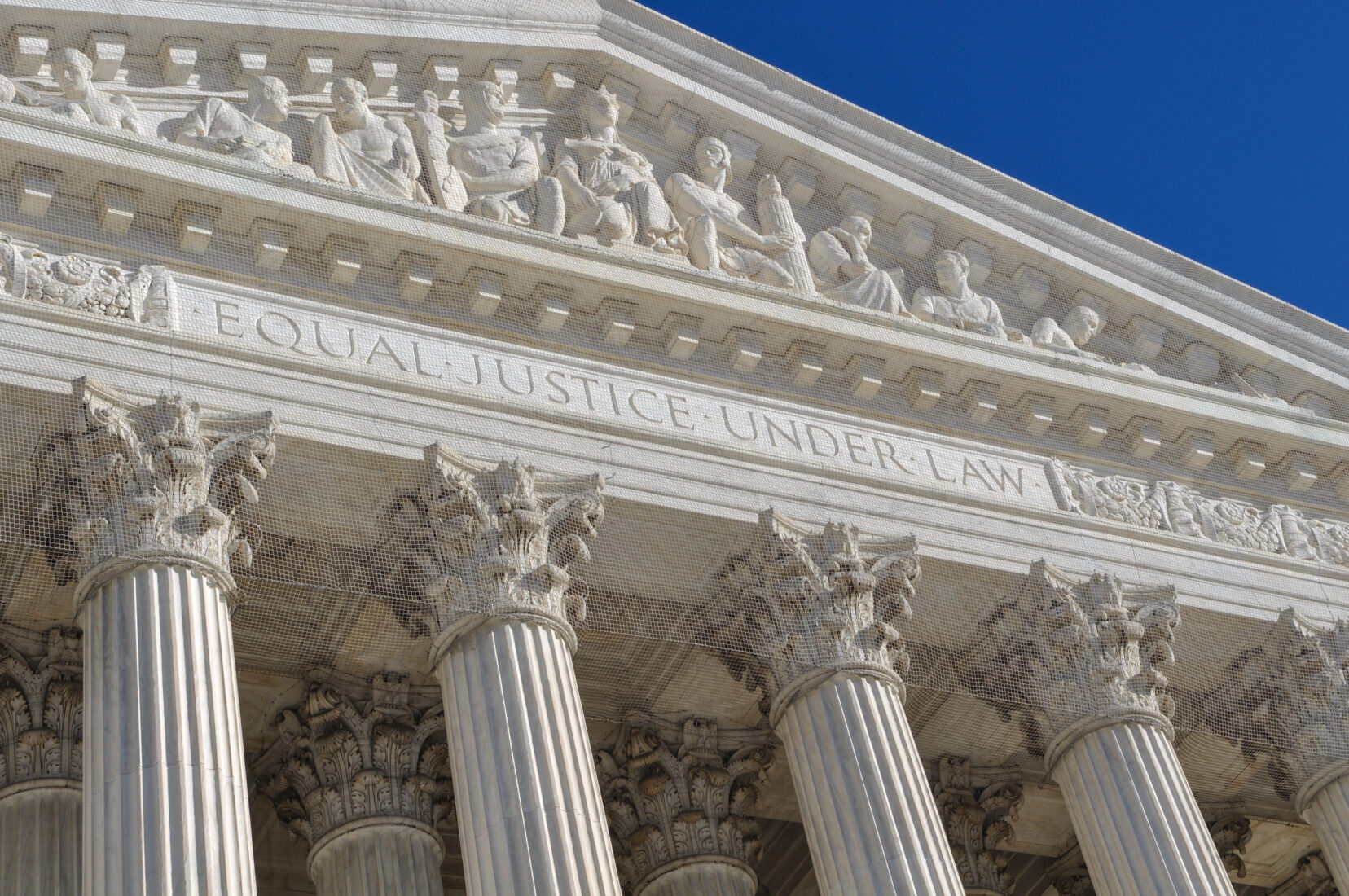
Photo: Adobe Stock