

The truth behind anti-data center rhetoric isn’t as clear as we may hope
By Easton Martin | July 21, 2026
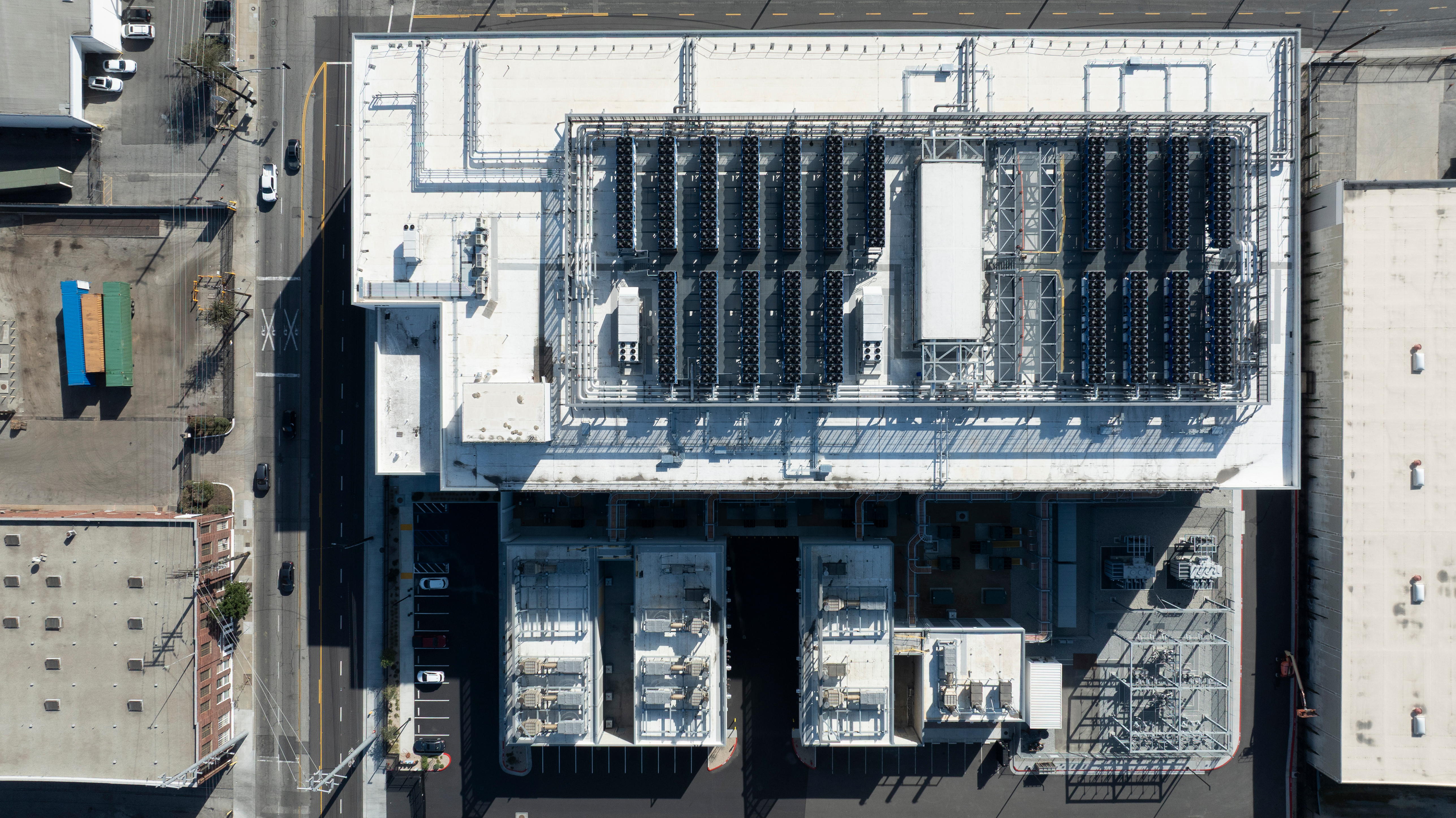
The expansion of artificial intelligence has created an unprecedented demand for energy-intensive data centers across the United States. Local communities have voiced strong opposition to these facilities, citing concerns over massive power consumption and severe water usage.
However, this domestic conflict has recently acquired a complex dimension: national security analysts report that foreign influence operations, particularly those linked to the Chinese Communist Party, are actively amplifying local opposition in an effort to delay the growth of American technological infrastructure.
This situation creates an interesting policy challenge for municipal governance and international relations. Broadly dismissing local opposition as foreign interference ignores legitimate concerns regarding infrastructure strain. Conversely, failing to recognize how foreign adversaries exploit domestic divisions ignores the reality of modern disinformation campaigns.
On the ground, community resistance is generally driven by immediate economic and ecological realities. A single hyperscale data center can require as much electricity as a mid-sized city, placing immense strain on regional power grids and driving up utility rates for residents. Citizens in states such as Virginia and Texas who raise concerns over resource allocation or zoning laws are exercising standard democratic oversight.
Certainly local populations have a right to question whether private corporations should receive unconstrained access to public utilities.At the same time, the global strategic context in which data centers exist remains of great importance. The ongoing competition between the United States and China for technological leadership depends directly on computing capacity. Security researchers have identified coordinated digital networks that exploit legitimate environmental concerns, exaggerating ecological risks to stoke public opposition.
For an adversary such as China, leveraging local administrative processes to delay critical hardware installation is a highly efficient strategy. The primary risk lies in allowing binary narratives to govern the policy discussion. Technology executives and policymakers must not use national security arguments to override or discredit local constituents. Similarly, environmental organizations must remain attentive to how external actors may seek to manipulate valid local concerns, and how they may have already hijacked the narrative.
Addressing this challenge requires State and federal regulators to enforce stricter transparency standards regarding the funding behind major public advocacy campaigns.
Concurrently, technology firms must internalize the costs of their energy infrastructure by directly funding renewable power generation and grid enhancements, rather than shifting these financial burdens onto local taxpayers.