

What we know about the Cyclospora outbreak so far
By Easton Martin | July 21, 2026
Federal and state health authorities are racing to track a massive surge in Cyclospora infections that has sickened thousands of Americans, grappling with a sprawling food safety investigation complicated by difficult laboratory testing and fresh produce supply chains.
The microscopic parasite Cyclospora cayetanensis, which infects the small intestine and causes prolonged, severe stomach illness, has driven domestic case numbers far past typical summer levels. Health agencies have confirmed over 1,600 domestic cases across more than 30 states since May, with thousands of additional suspected cases undergoing review. Michigan and Ohio have recorded the highest concentrations of reported illnesses, with dozens of patients requiring hospitalization for severe dehydration and gastrointestinal distress.
The illness is caused by consuming food or water contaminated with human fecal matter carrying the parasite. Symptoms typically begin about a week after exposure and include watery diarrhea, severe fatigue, stomach cramping, nausea, and loss of appetite. Unlike bacterial foodborne pathogens, Cyclospora cannot spread directly from person to person because the parasite requires days to weeks outside the human host to become infectious.
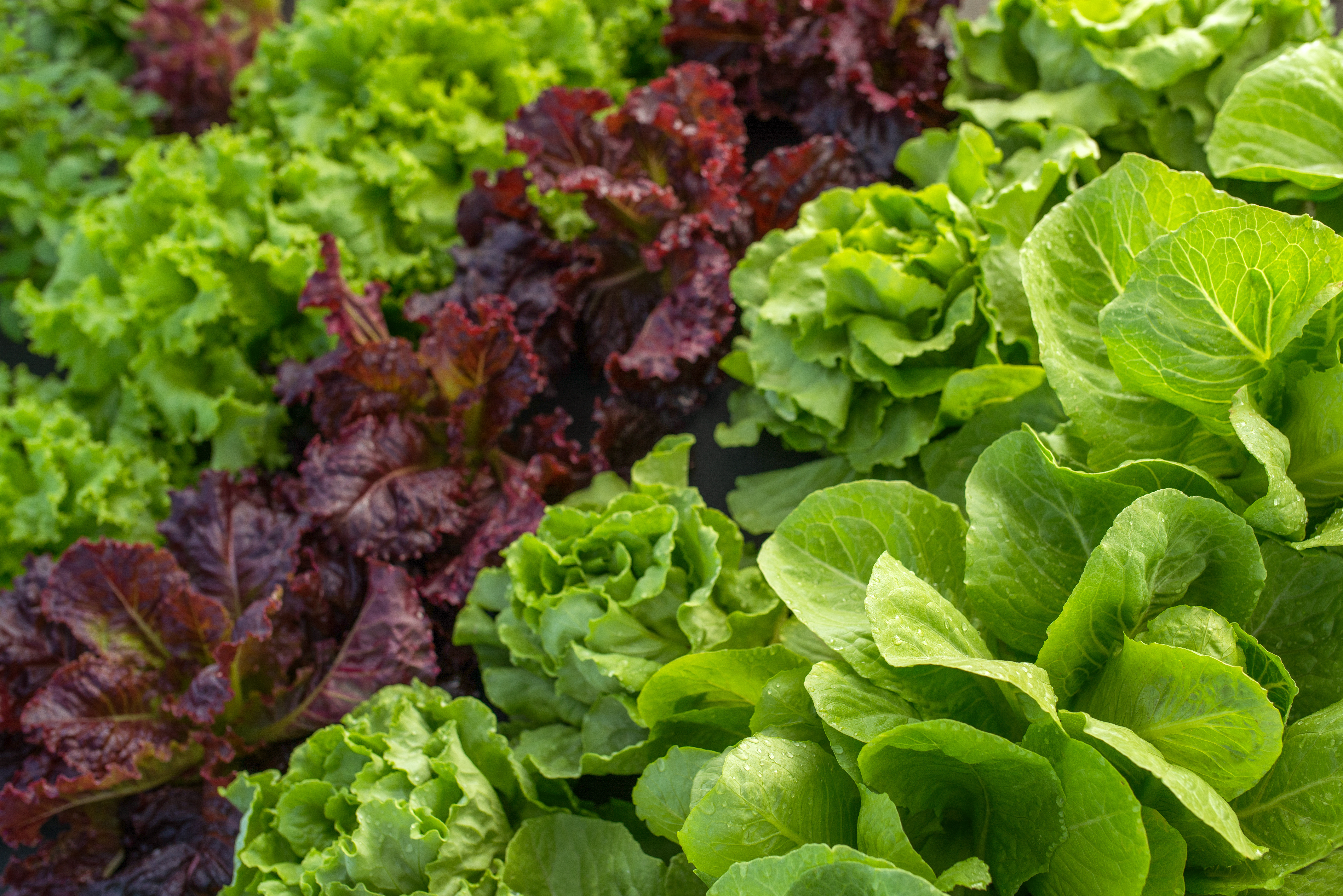
Epidemiologists noted a strong statistical signal linking a cluster of cases in five states to individuals who ate at fast-food restaurants. Patient interviews in Michigan, Ohio, Indiana, Kentucky, and West Virginia showed that a high percentage of affected consumers had eaten menu items containing shredded iceberg lettuce. In response, regional suppliers and restaurant chains initiated voluntary product removals and recalls out of caution.
The exact source of the contaminated produce remains unconfirmed. The Food and Drug Administration retracted a previous laboratory finding that linked the outbreak to Mexican-grown lettuce after determining the test result was a false positive. Federal officials confirmed that no product samples have yielded a positive match for the parasite, leaving the precise environmental origin of the strain unknown.
It is also unclear whether a single commodity is responsible for the nationwide surge. A significant number of sickened individuals across the country reported no history of eating at fast-food chains or consuming shredded iceberg lettuce. In several states, health departments are evaluating whether other raw produce items frequently linked to past Cyclospora outbreaks, such as fresh cilantro, parsley, or berries, could be involved.