
Why Fauci’s pardon conveniently goes back to 2014
By Easton Martin | July 31, 2026
President Joe Biden’s broad executive pardon for Dr. Anthony Fauci extends back to January 1, 2014, a timeline that deliberately reaches well past the onset of the COVID-19 pandemic to encompass a decade of controversial federal research funding decisions.
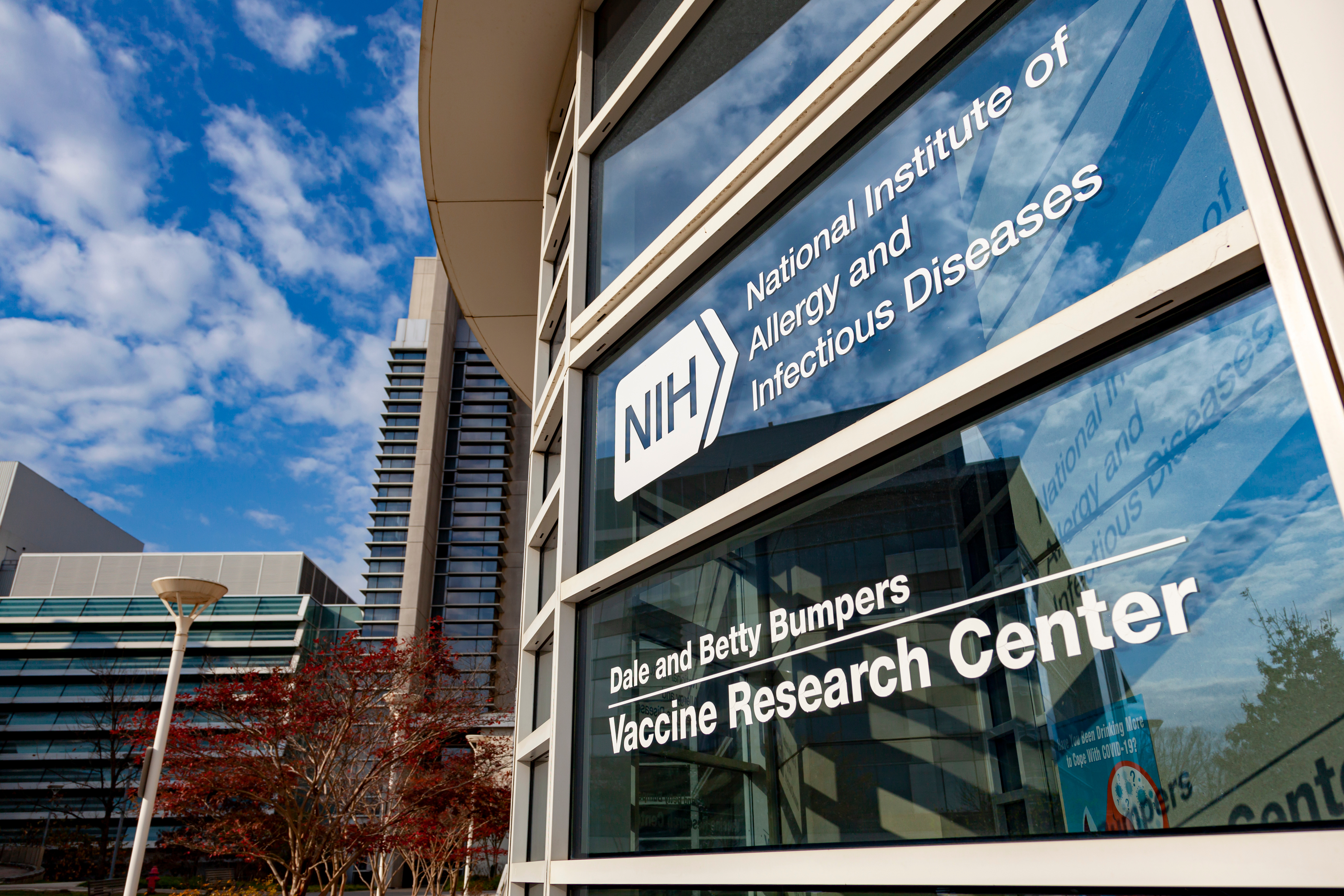
By setting the clemency window to begin in early 2014, the pardon covers the exact period when the National Institute of Allergy and Infectious Diseases (NIAID) approved funding for bat coronavirus research in Wuhan, China. That same year, the National Institutes of Health (NIH) awarded a major grant to the EcoHealth Alliance, which subsequently funneled down to the Wuhan Institute of Virology.
The 2014 date also marks the start of the federal government’s moratorium on gain-of-function research. The Obama administration paused funding for dangerous pathogen studies in October 2014 over biosecurity concerns. Grant records and oversight investigations show that NIAID continued funding bat coronavirus research during this pause, leading to ongoing disputes over whether federal grant administrators improperly bypassed safety restrictions.
Extending legal immunity back a full six years before COVID-19 emerged serves a specific legal function. It insulates federal health leadership such as Fauci from potential criminal liability tied to early grant approvals and compliance with federal research pauses. The expansive decade-long scope prevents prosecutors from investigating whether government officials made false statements to Congress or violated federal regulations during the initial handling of offshore viral research.
While the Biden White House messaging framed the pardon as a safeguard against political persecution, the truth is that the pardon’s dating was a preemptive legal shield. The executive grant effectively closes the door on judicial scrutiny of agency decisions made long before the public ever heard of COVID-19. How convenient for Dr. Fauci.