
Islamic prayer rooms in Minnesota public schools? What you need to know
By Easton Martin | April 21, 2026
The installation of dedicated prayer rooms and specialized foot-washing stations within Minnesota public schools marks a significant departure from the foundational American principle of secular governance.
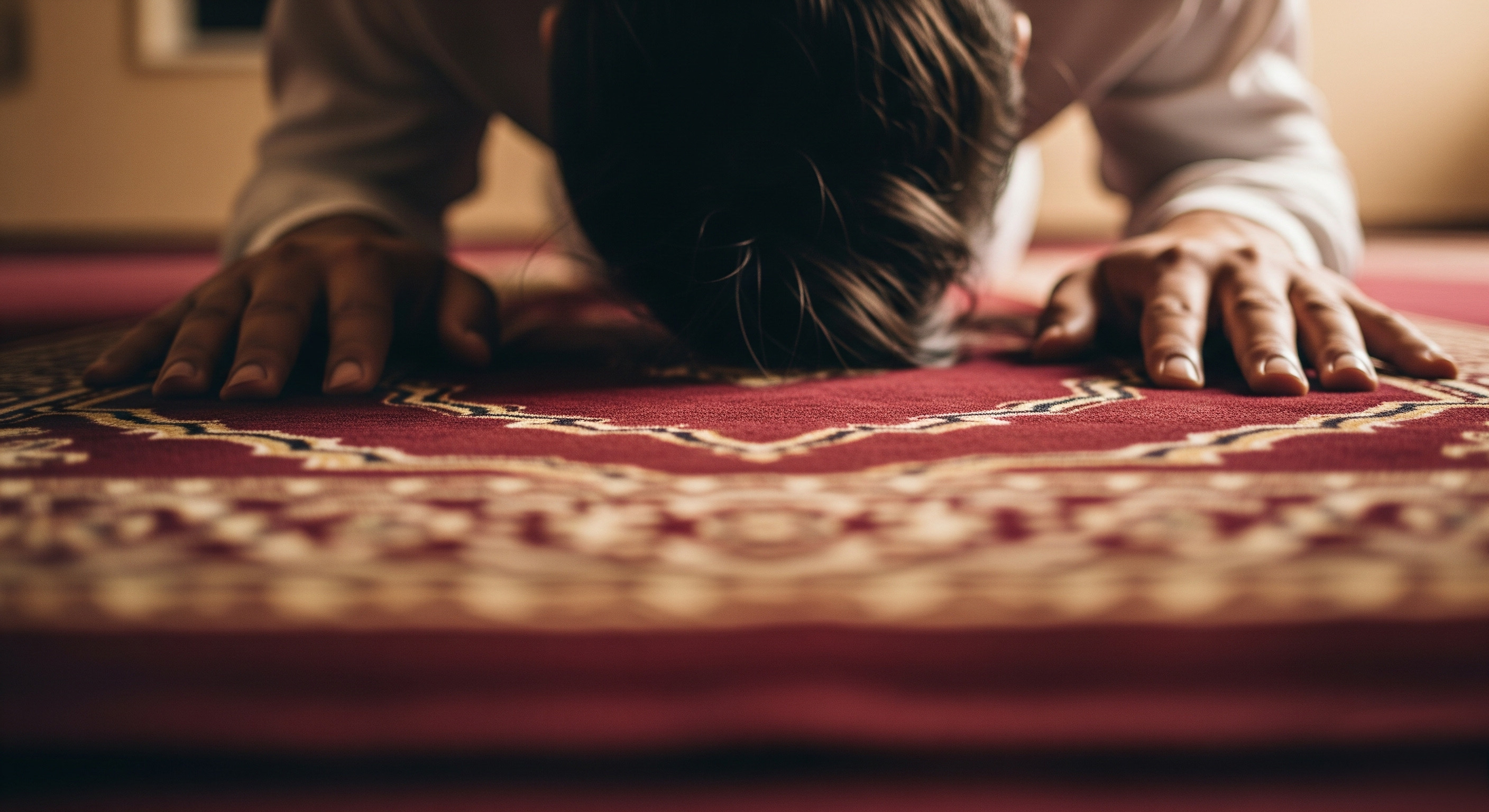
Osseo Area Schools has stated that its renovation will include a prayer room and foot-washing stations at the Osseo Senior High School.
The prayer room and foot-washing stations were apparently included in the updated plans for the district’s “Building a Better Future” initiative, a roughly $375 million effort backed by voters in 2022 and 2023, per Daily Mail.
The district has since claimed that the space was mis-labeled on construction plans, emphasizing that the space could be used for multiple purposes, including a quiet space, prayer room, or hosting an academic club.
Even so, why isn’t the left shouting about this?
For decades, the political left in the United States maintained a rigorous and often litigious defense of the separation of church and state. This historical commitment resulted in the removal of Christian symbols from classrooms and the prohibition of traditional prayer in many public venues. The recent enthusiasm for creating what will essentially function as Islamic prayer spaces in districts with large Somali populations suggests that the commitment to secularism is now being discarded in favor of demographic catering.
The presence of these facilities within taxpayer-funded schools indicates a clear shift toward active religious facilitation. School administrators likely want to label these areas as reflection rooms to avoid constitutional scrutiny. The reality of the situation remains that these spaces are specifically designed to accommodate the religious mandates of the Islamic faith. When a public institution installs plumbing for the express purpose of religious wudu, the line between the state and the mosque becomes dangerously blurred.
This policy change is a selective application of constitutional law that appears to prioritize certain groups based on their political or cultural status. Many of the same activists who once viewed the display of the Ten Commandments as an existential threat to democracy are now championing the integration of Islamic rituals into the school day. This inconsistency implies that the wall of separation is intended only to restrict the religious expressions of the traditional majority. By contrast, the religious requirements of the Somali community are treated as essential civil rights that the state must proactively support. This double standard undermines the integrity of the First Amendment and suggests that secularism is being treated as a situational tool against Christianity.