

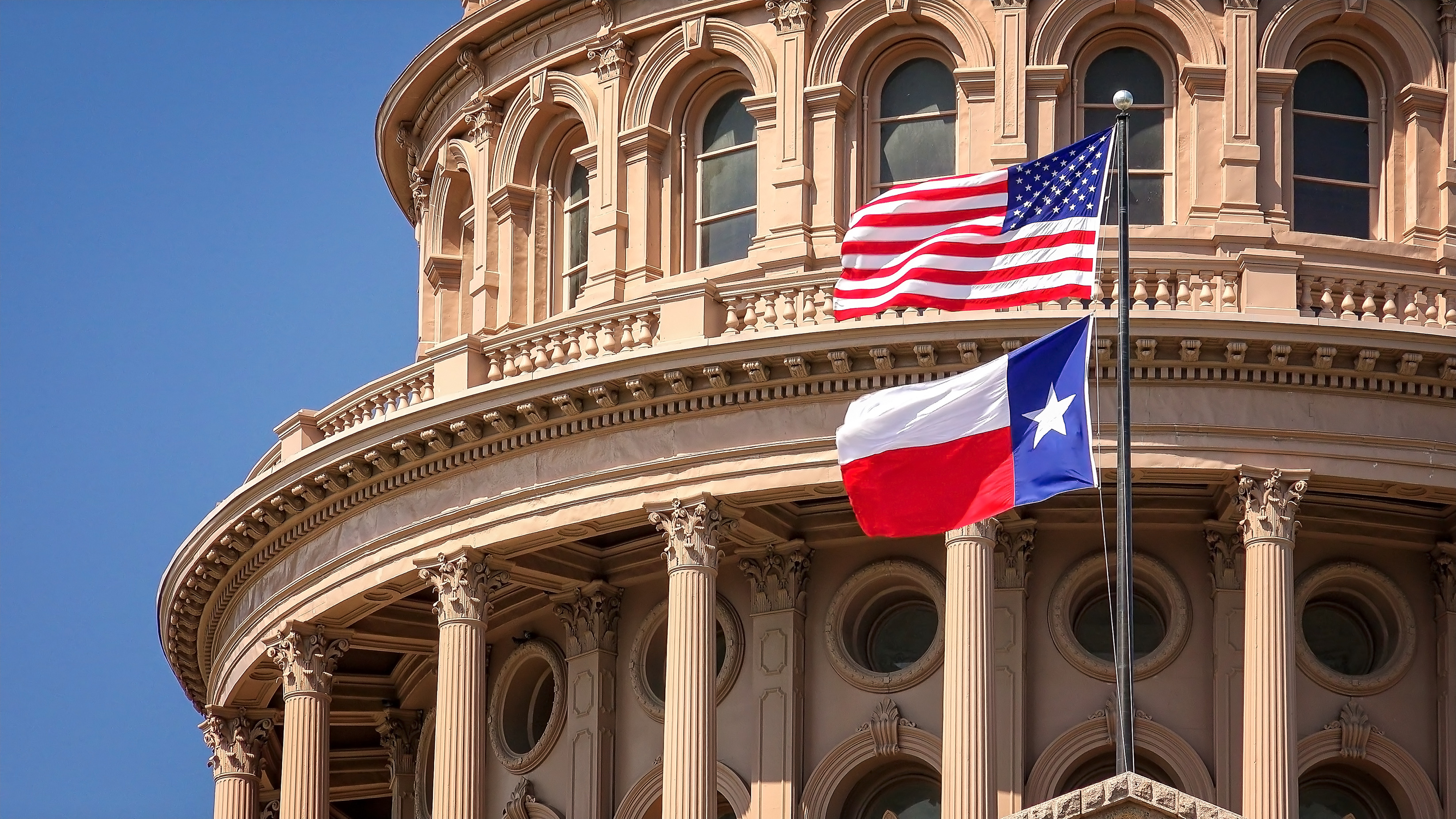
Is Texas going blue? Why the polls will likely be wrong
By Easton Martin
Public surveys increasingly show tight margins in the Texas midterm elections. Many are beginning to wonder: Is this the beginning of a blue wave?
Media outlets are pointing to narrow numbers in the Senate and gubernatorial contests. Those projections fail to account for structural realities across the state. The Texas electorate consistently breaks right when ballots hit the scanner.
Recent snapshots create the illusion of a purple battleground. The Marist Poll showed single-digit margins between Attorney General Ken Paxton and Democrat James Talarico. A parallel trend emerged in Governor Greg Abbott’s contest against challenger Gina Hinojosa. Similar findings surfaced in tracking from the Emerson College Polling center.
These statistical snapshots consistently underestimate the conservative base.
Mainstream models lean heavily on urban sample weights. That technique undercounts the vast turnout across non-metro counties. Red counties turn out in overwhelming numbers each November.
Historical precedent exposes this persistent polling blind spot. The press manufactured identical hype during the 2018 cycle. Pundits repeated the same blue wave narrative in 2020. Republicans ultimately secured decisive double-digit victories statewide.
Economic discipline drives the core conservative advantage. Low taxes and business expansion continue to draw thousands of newcomers to Texas. Voters regularly choose free enterprise over progressive governance. The ballot box repeatedly confirms that conservative governance keeps Texas prosperous.