

The Latest on the Massive North Texas Wildfire
By Easton Martin | August 27, 2026
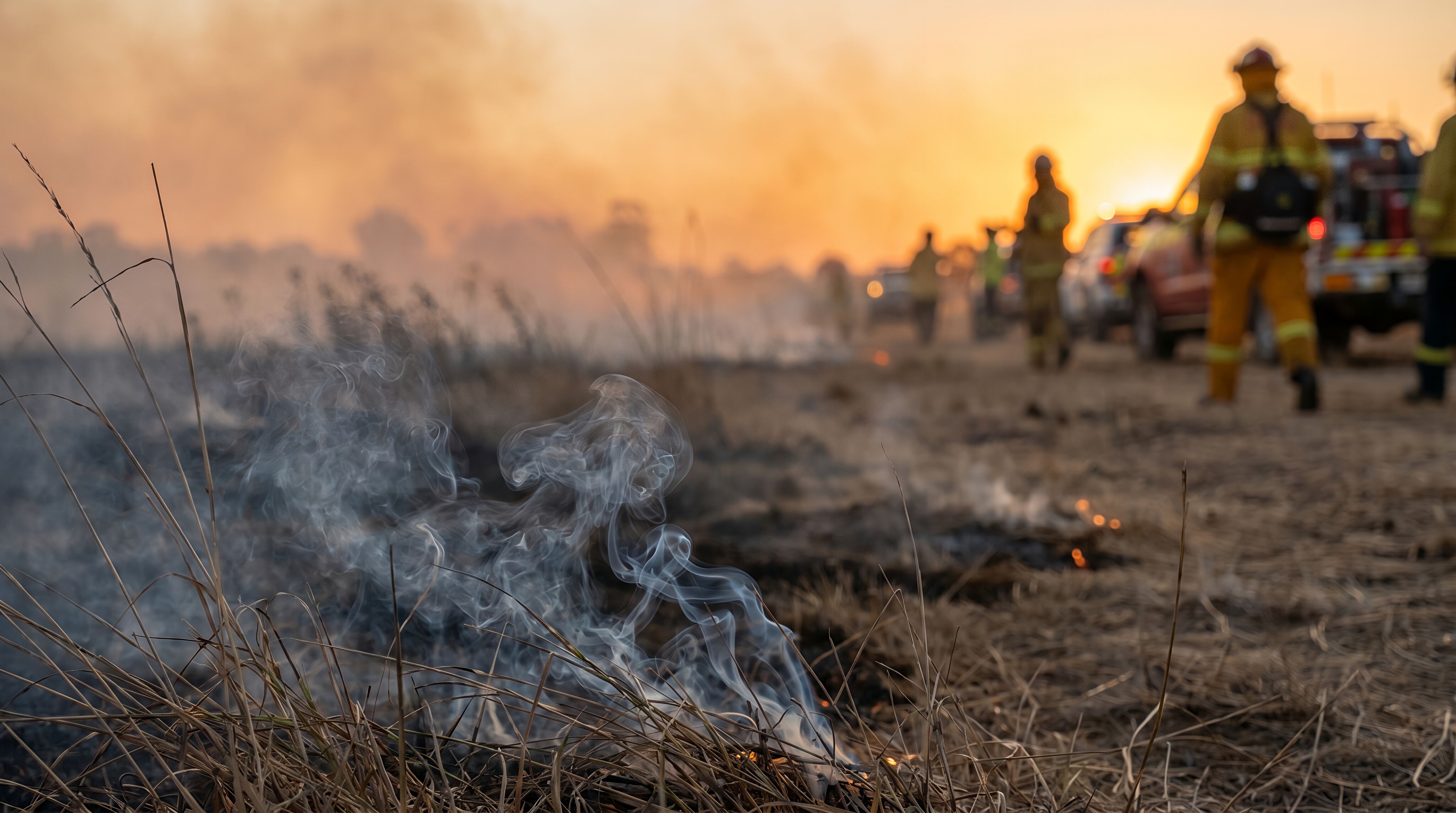
A massive wildfire burning west of Fort Worth continues to threaten communities across North Texas after rapidly expanding across more than 80,000 acres in Palo Pinto and Jack counties.
The Ross Fire began Monday afternoon near U.S. Highway 180 and Ross Watson Road west of Palo Pinto. Within hours the blaze exploded in size as strong winds pushed flames through dry ranchland and other vegetation.
As of Thursday morning, officials reported the fire had burned roughly 80,000 acres and remained only 12% contained. Some reports have placed the burned area at approximately 83,000 acres as crews continue working to establish containment lines around the fire.
The fire has already destroyed multiple structures and damaged homes, businesses and property in its path. A historic home and portions of a family canoe rental business near Graford were among the property affected by the flames. Structures at the Worth Ranch youth camp were also destroyed after personnel were evacuated.
Firefighters from across Texas have been deployed to assist local crews. Aircraft have also been dropping water and fire retardant while ground crews work to slow the fire and protect communities in its path.
Weather conditions provided firefighters with some relief Wednesday as humidity increased and temperatures dropped. Monitoring of the situation continues due to the threat of renewed winds, heat and dry vegetation which could cause the fire to spread rapidly again.
Evacuations have been ordered in portions of the affected counties as officials work to protect residents and livestock. Some roads have been closed and local schools have also been affected by the dangerous conditions. While some evacuation orders have since been lifted, authorities continue urging residents near the fire to remain alert and prepared to leave if conditions deteriorate.
The smoke has also reached the Fort Worth area, creating hazy skies across parts of the Metroplex. Officials are advising people who are particularly sensitive to smoke to limit outdoor activity while conditions remain unfavorable.


